

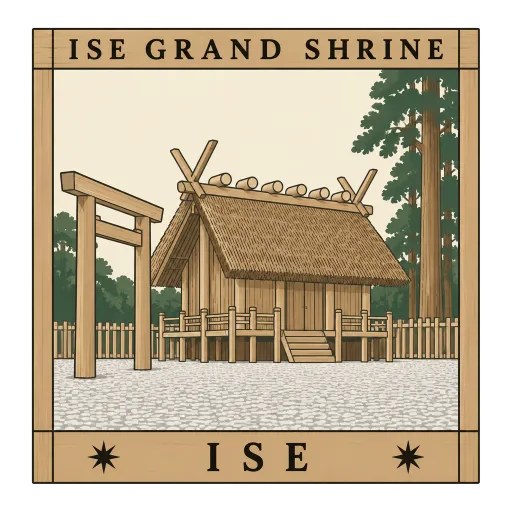
Ise Grand Shrine
The most sacred Shinto shrine complex in Japan, dedicated to the sun goddess Amaterasu at the inner shrine, Naiku, and to the grain goddess Toyouke at the outer shrine, Geku. Its main halls are rebuilt in plain cypress every 20 years, a cycle kept up for well over a thousand years.
- Where
- Ise, Mie, Japan
- Grade
- Well known
- Worth
- 10 points collected on site, plus 1 for its grade
- Coordinates
- 34.4550, 136.7258
Get the Ise Grand Shrine stamp
Open LOQAH when you are at Ise Grand Shrine. It checks where you are once, at that moment, and the stamp is yours: confirmed on site in gold and struck with the date. It goes into your Mie volume with your photos and a note.
Near Ise Grand Shrine
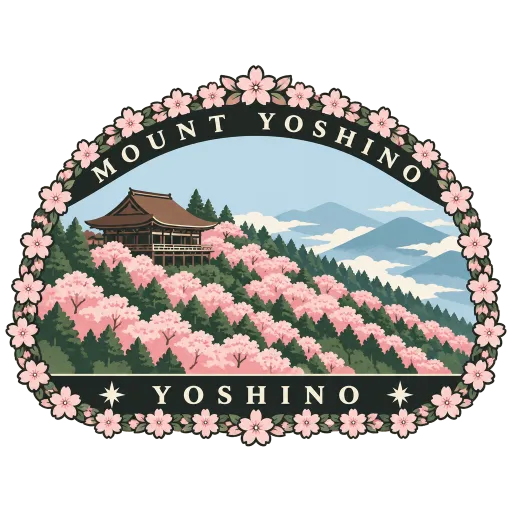
Mount Yoshino 79 km
A mountain ridge in central Nara Prefecture, about eight kilometres long and dotted with shrines and temples around Kinpusen-ji. For centuries it has been the most celebrated cherry blossom spot in Japan, with tens of thousands of trees flowering in stages up the slopes.
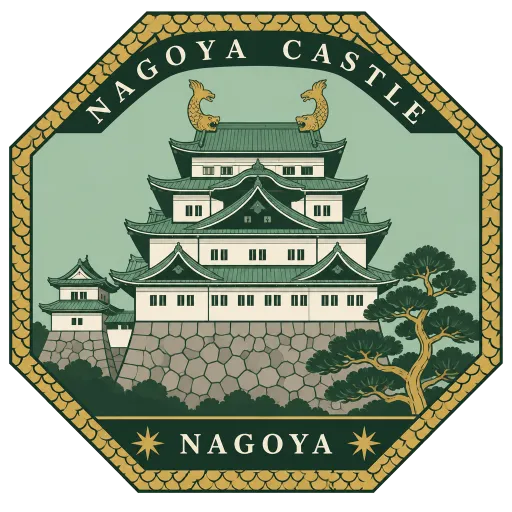
Nagoya Castle 83 km
A castle in the centre of Nagoya built by the Tokugawa in the early 17th century, its keep topped by a pair of golden shachihoko, mythical tiger-headed fish. The rebuilt Hommaru Palace beside it shows the painted rooms of a lord's residence.
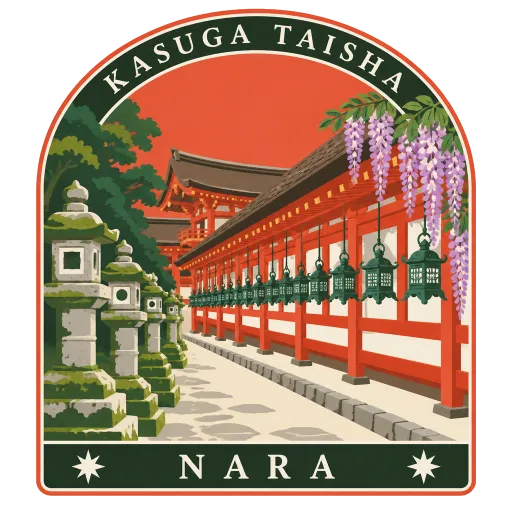
Kasuga Taisha 84 km
The shrine of the Fujiwara family, founded in 768 on the wooded eastern edge of Nara. Stone lanterns line the approach by the thousand, and bronze lanterns hang in rows from its vermilion corridors; all are lit at the lantern festivals held twice a year.
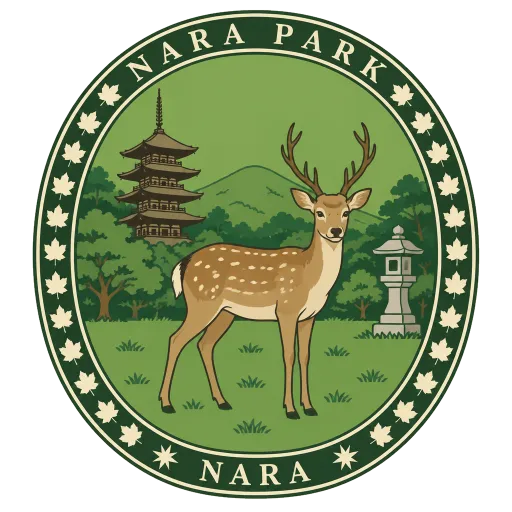
Nara Park 85 km
A large public park at the foot of Mount Wakakusa, established in 1880 and one of the oldest parks in Japan. More than 1,200 wild sika deer, protected as a natural treasure, roam freely among the temples and bow to visitors holding deer crackers.
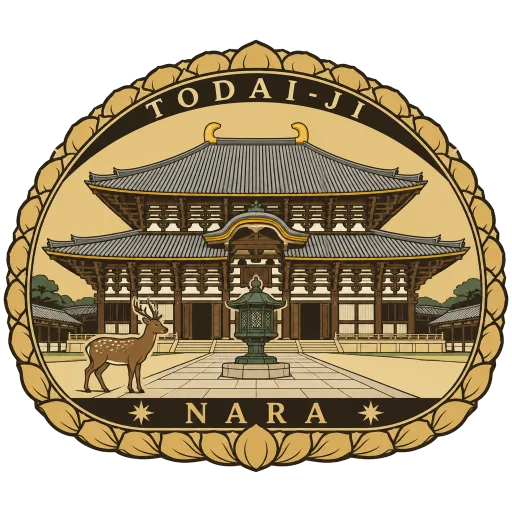
Todai-ji 85 km
A temple complex in Nara whose Great Buddha Hall shelters a bronze Buddha about 15 metres tall. Founded in 738 and opened in 752 on the model of Tang dynasty temples, it was once one of the powerful Seven Great Temples.
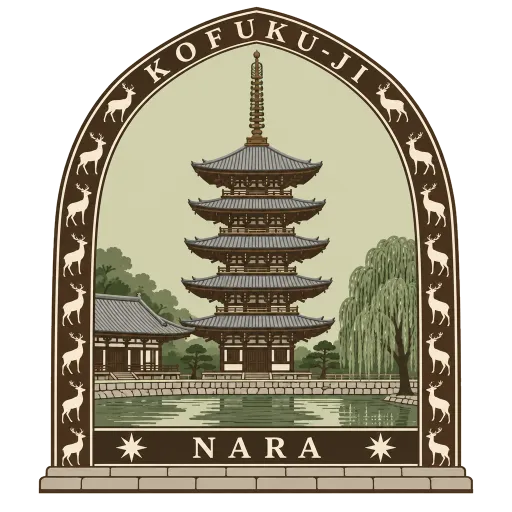
Kofuku-ji 86 km
Once one of the powerful Seven Great Temples of Nara, and still the national headquarters of the Hosso school of Buddhism. Its five-storey pagoda rises at the edge of Nara Park as a landmark of the old capital.
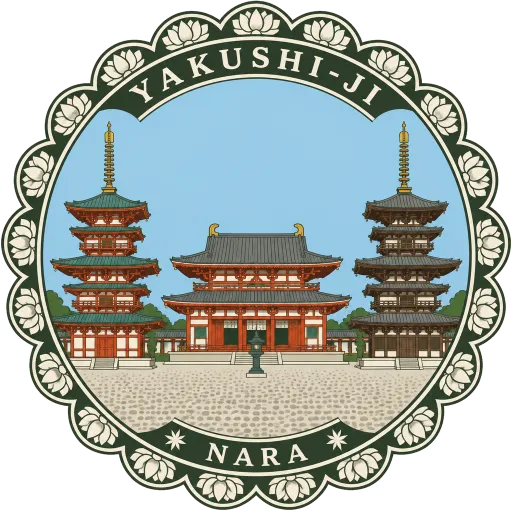
Yakushi-ji 89 km
One of the Seven Great Temples of Nara, first built in the 7th century at the earlier capital of Fujiwara-kyo, and said to be a scrupulous copy of the original. It is the headquarters of the Hosso school, and its twin pagodas face each other across the main courtyard.
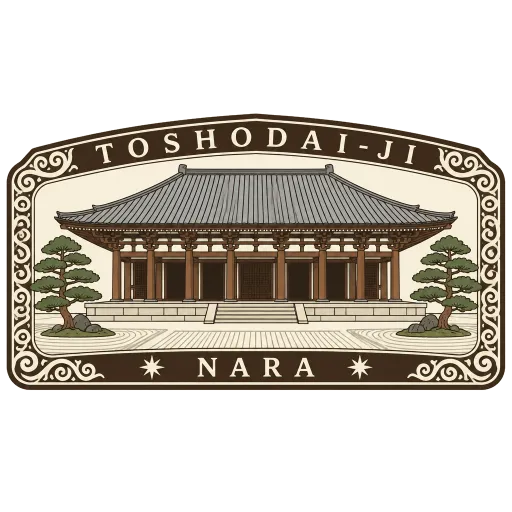
Toshodai-ji 90 km
A temple founded by the Chinese monk Jianzhen, known in Japan as Ganjin, who reached Nara after several failed voyages. Its single-storey Golden Hall, seven bays wide under a hipped tiled roof, is considered the archetype of the classical style.
Questions
Where is Ise Grand Shrine?
Ise Grand Shrine is in Ise, Mie, Japan. The nearest other LOQAH stamps are Mount Yoshino (79 km), Nagoya Castle (83 km), Kasuga Taisha (84 km).
How do I get the Ise Grand Shrine stamp?
Open LOQAH when you are at Ise Grand Shrine and get its stamp. The app checks where you are once, at that moment, and the stamp goes into your Mie volume, confirmed on site, with the date.
I have been to Ise Grand Shrine before. Can I still have the stamp?
Yes. Add it from Earlier trips in your Mie volume, with the date if you know it, or import your Google Timeline and LOQAH matches the places you were.
Collect your first stamp.
LOQAH is free on iPhone and Android, in India and 20 more countries, with more countries on the way. Stand at a place, collect its stamp, and keep every trip in a passport that grows.