

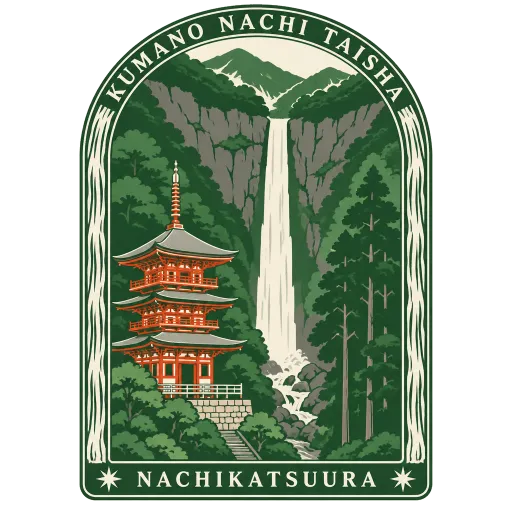
Kumano Nachi Taisha
A mountain shrine on the Kumano pilgrimage routes, one of the Three Grand Shrines of Kumano. Beside it stands the three-storey pagoda of Seiganto-ji, framed against Nachi Falls, which drops 133 metres.
- Where
- Nachikatsuura, Wakayama, Japan
- Grade
- UNESCO heritage
- Worth
- 10 points collected on site, plus 8 for its grade
- Coordinates
- 33.6686, 135.8905
Get the Kumano Nachi Taisha stamp
Open LOQAH when you are at Kumano Nachi Taisha. It checks where you are once, at that moment, and the stamp is yours: confirmed on site in gold and struck with the date. It goes into your Wakayama volume with your photos and a note.
Near Kumano Nachi Taisha
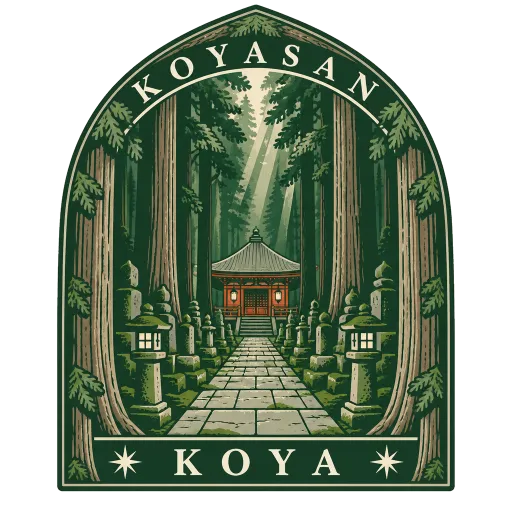
Koyasan 67 km
A temple town on a forested mountain plateau south of Osaka, home to Kongobu-ji, head temple of Shingon Buddhism. Pilgrims stay overnight in temple lodgings, and the Okunoin cemetery leads through giant cedars to the mausoleum of Kukai, the founder.
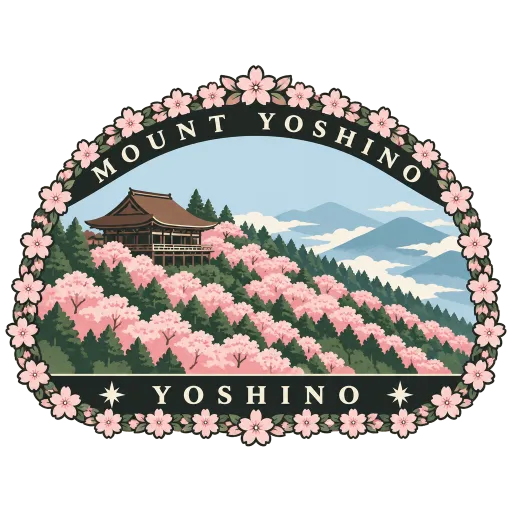
Mount Yoshino 76 km
A mountain ridge in central Nara Prefecture, about eight kilometres long and dotted with shrines and temples around Kinpusen-ji. For centuries it has been the most celebrated cherry blossom spot in Japan, with tens of thousands of trees flowering in stages up the slopes.
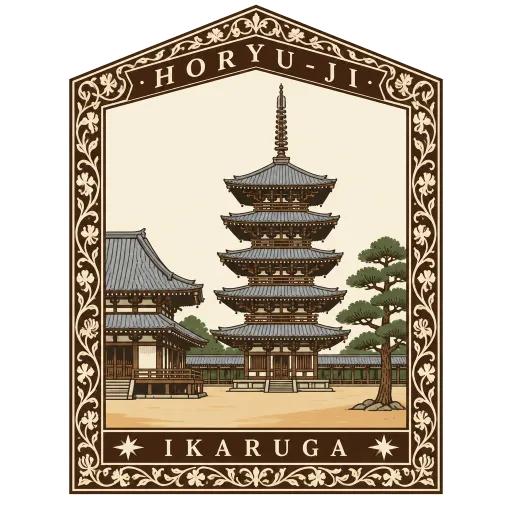
Horyu-ji 106 km
Built in Ikaruga shortly after Buddhism reached Japan, this temple has some of the oldest wooden buildings in the world. Its full name means Learning Temple of the Flourishing Law, and it served as both seminary and monastery.
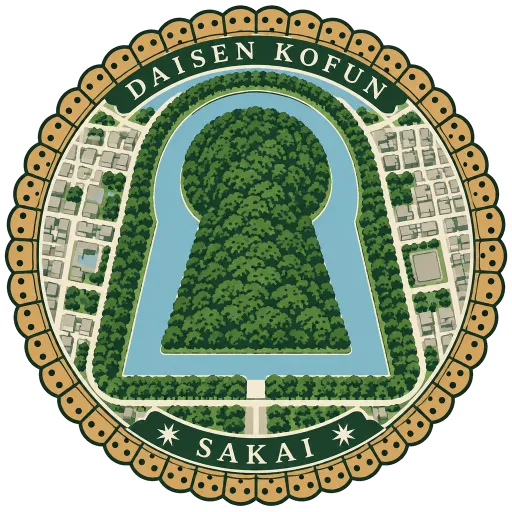
Daisen Kofun 106 km
The largest of the Mozu tombs in Sakai, a keyhole-shaped burial mound ringed by moats and attributed to Emperor Nintoku. It is so large that its shape is best grasped from the observation floor of Sakai City Hall nearby; the wooded mound itself is closed to visitors.
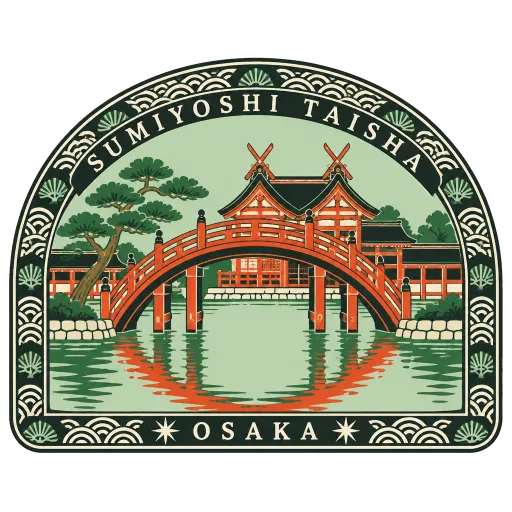
Sumiyoshi Taisha 111 km
The head shrine of all the Sumiyoshi shrines across Japan, in the south of Osaka. Its main halls give their name to the Sumiyoshi-zukuri style of shrine building, and a steeply arched red bridge, the Sorihashi, crosses the pond at the entrance.
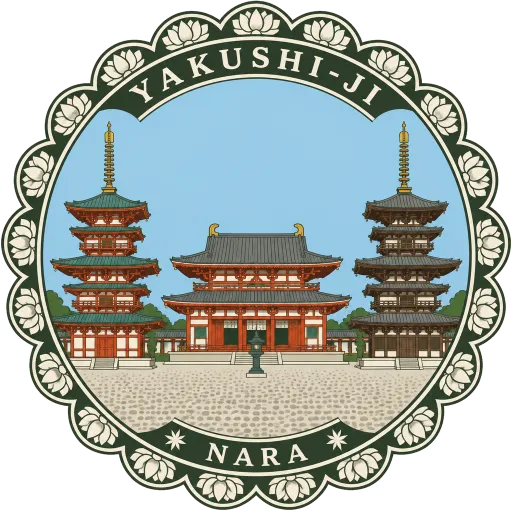
Yakushi-ji 112 km
One of the Seven Great Temples of Nara, first built in the 7th century at the earlier capital of Fujiwara-kyo, and said to be a scrupulous copy of the original. It is the headquarters of the Hosso school, and its twin pagodas face each other across the main courtyard.
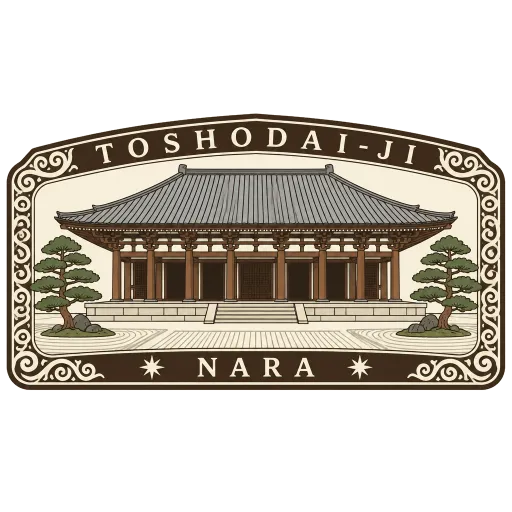
Toshodai-ji 112 km
A temple founded by the Chinese monk Jianzhen, known in Japan as Ganjin, who reached Nara after several failed voyages. Its single-storey Golden Hall, seven bays wide under a hipped tiled roof, is considered the archetype of the classical style.
Kasuga Taisha 113 km
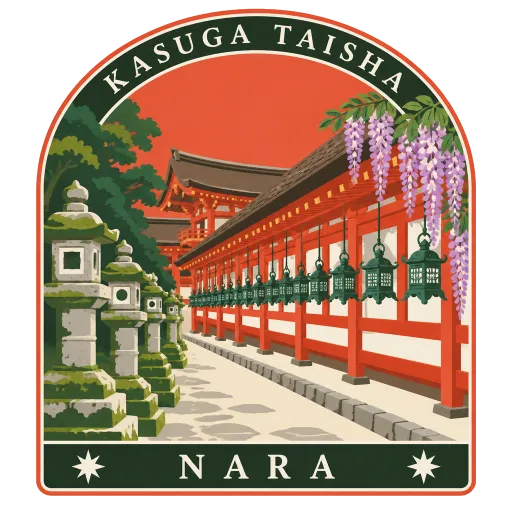
The shrine of the Fujiwara family, founded in 768 on the wooded eastern edge of Nara. Stone lanterns line the approach by the thousand, and bronze lanterns hang in rows from its vermilion corridors; all are lit at the lantern festivals held twice a year.
More UNESCO World Heritage sites in Wakayama
Questions
Where is Kumano Nachi Taisha?
Kumano Nachi Taisha is in Nachikatsuura, Wakayama, Japan. The nearest other LOQAH stamps are Koyasan (67 km), Mount Yoshino (76 km), Horyu-ji (106 km).
How do I get the Kumano Nachi Taisha stamp?
Open LOQAH when you are at Kumano Nachi Taisha and get its stamp. The app checks where you are once, at that moment, and the stamp goes into your Wakayama volume, confirmed on site, with the date.
I have been to Kumano Nachi Taisha before. Can I still have the stamp?
Yes. Add it from Earlier trips in your Wakayama volume, with the date if you know it, or import your Google Timeline and LOQAH matches the places you were.
Collect your first stamp.
LOQAH is free on iPhone and Android, in India and 20 more countries, with more countries on the way. Stand at a place, collect its stamp, and keep every trip in a passport that grows.