

Places to visit in Muscat, Oman
18 places to visit in Muscat, Oman, each with LOQAH's carefully crafted stamp of its own: Ad Dimaniyat Islands, Al Alam Palace, Sultan Qaboos Grand Mosque and more. Stand at any of them with the app open and the stamp is yours, confirmed on site, in your Muscat volume.
1 Heritage site · 2 Famous places to visit · 15 Hidden gems
Heritage sites in Muscat (1)
-
Ad Dimaniyat Islands
A chain of nine small islands in the Gulf of Oman, off the Batinah coast near Muscat. They form a protected nature reserve with coral reefs, and green and hawksbill turtles nest on the beaches.

Famous places to visit in Muscat (2)
-
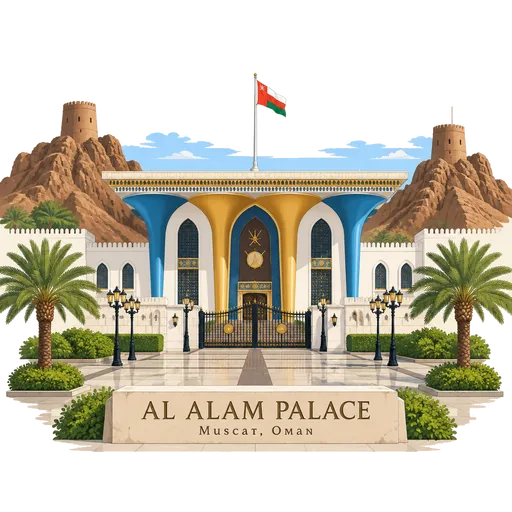
Al Alam Palace
The ceremonial palace of the Sultan of Oman, in Old Muscat between two Portuguese era forts. Its gold, blue and white facade is viewed from the plaza in front, while official guests are received inside.
-
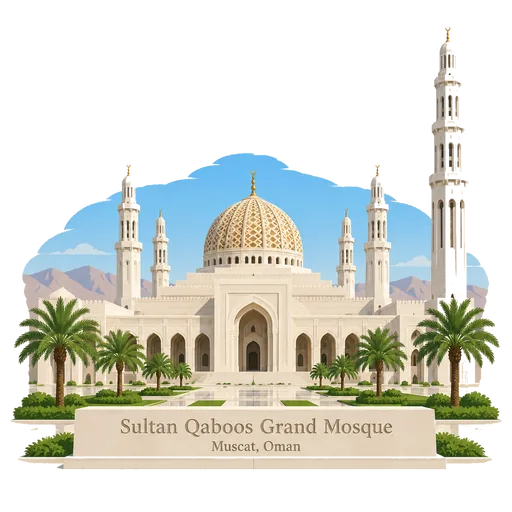
Sultan Qaboos Grand Mosque
Muscat's main Friday mosque, completed in 2001 in a contemporary Islamic style. Its prayer hall holds a very large hand knotted carpet and a huge chandelier, and the complex is open to visitors outside prayer times.
Hidden gems in Muscat (15)
-
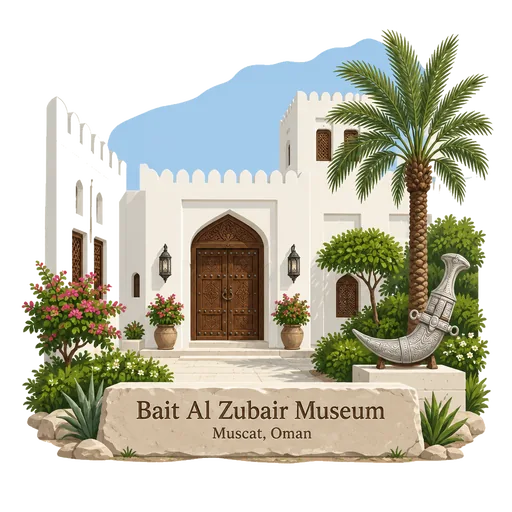
Bait Al Zubair Museum
A museum of Omani heritage in a family house in Old Muscat, on Al Saidiya Street. Its collections include daggers, jewellery, costumes and household objects, laid out in several buildings and a garden.
-
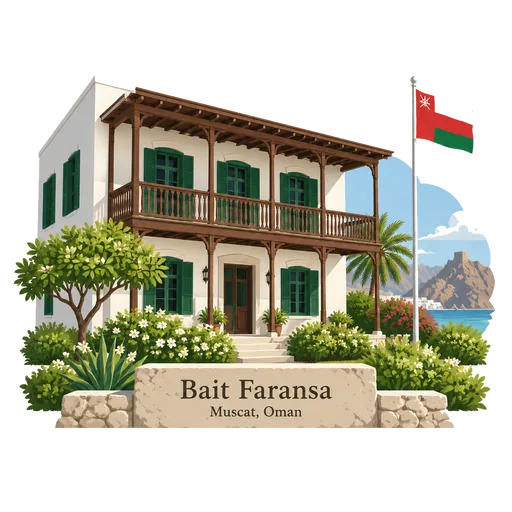
Bait Faransa
The Omani French Museum, a heritage museum in the former residence of the French consul in Old Muscat, on Qasr Al Alam Street. It records the long links between Oman and France through documents and furnishings of the period.
-
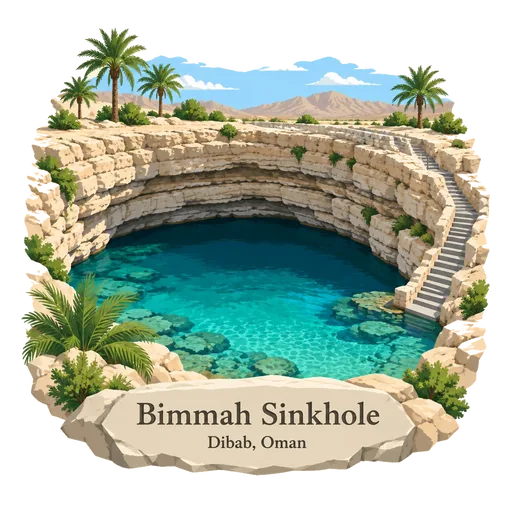
Bimmah Sinkhole
A water filled limestone sinkhole in eastern Muscat Governorate, just off the highway to Sur. The turquoise pool is roughly 40 metres across and 20 metres deep, and visitors swim in it from steps cut into the rim.
-
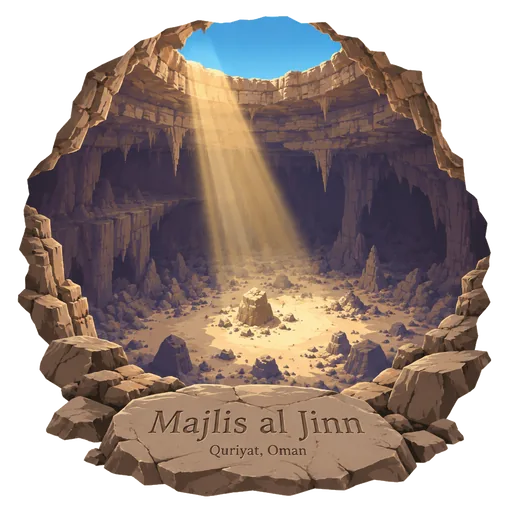
Majlis al Jinn
A vast cave chamber on the Selma plateau, among the ten largest cave chambers in the world by floor area. Visitors look down into it through openings in the plateau, and it can be entered only with permission and special equipment.
-
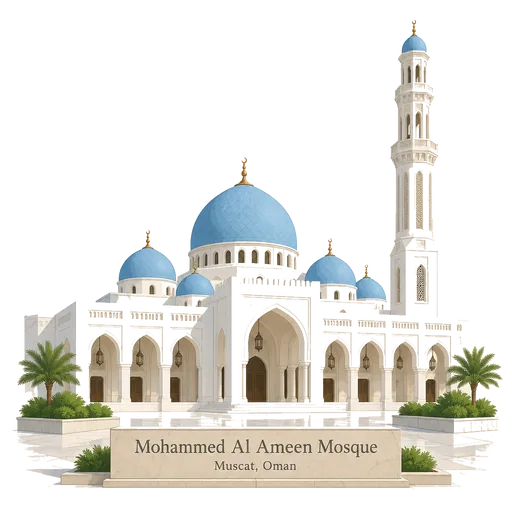
Mohammed Al Ameen Mosque
A mosque in the Bawshar district of Muscat, also called the Bahwan Mosque after its private donors. Its pale blue domes were completed in recent years and it welcomes visitors outside prayer times.
-
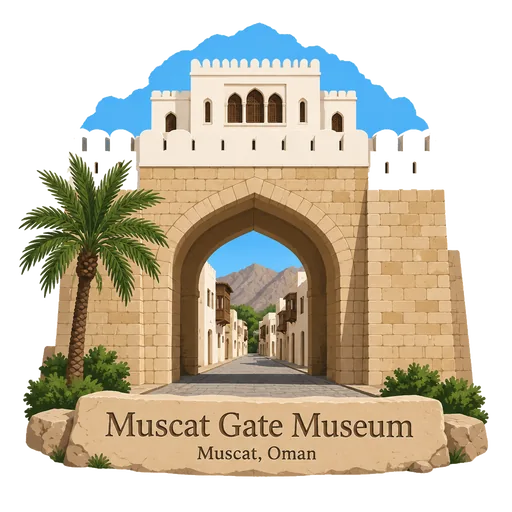
Muscat Gate Museum
A small history museum above the Muscat Gate in Old Muscat. It tells the story of the city and its walls, and the gate itself stands where the road enters the old town.
-
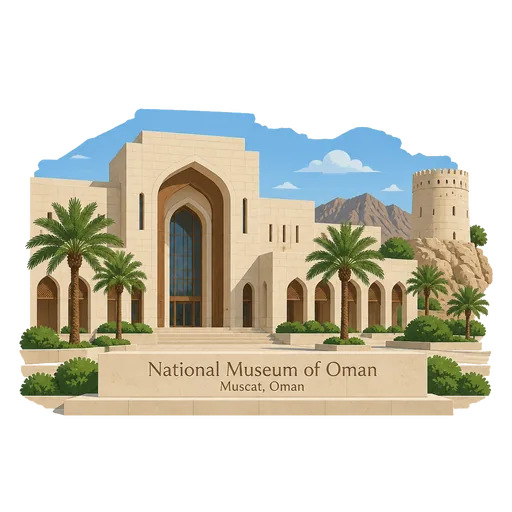
National Museum of Oman
Oman's main history museum, in Old Muscat close to the Al Alam Palace. It follows the country from prehistory through the frankincense trade to the modern state, with archaeology, maritime and Islamic galleries.
-
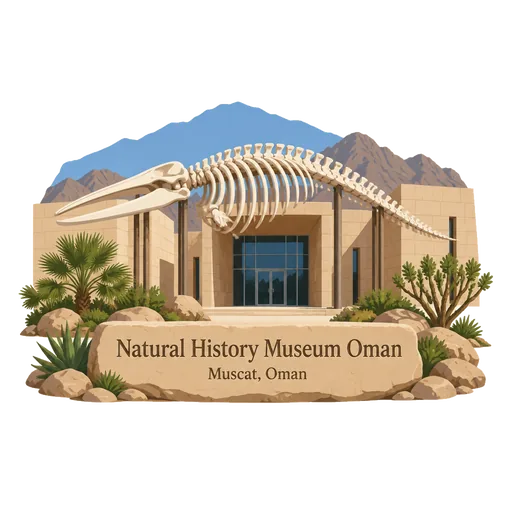
Natural History Museum Oman
A natural history museum in the Ministry of Heritage and Culture complex in Al Khuwair, opposite the Zawawi Mosque. Its exhibits cover the geology, plants and animals of Oman, including whales of the Arabian Sea.
-
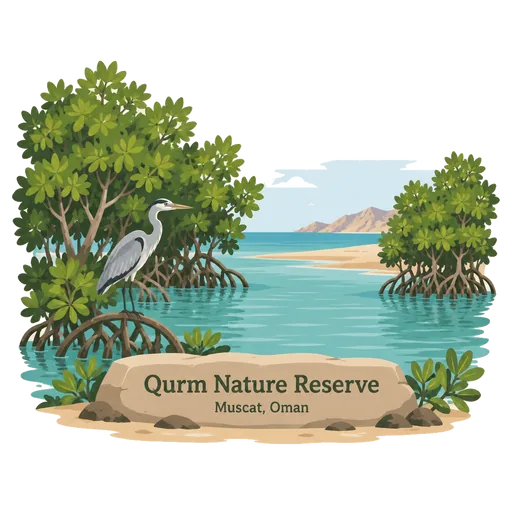
Qurm Nature Reserve
A national nature reserve on the Gulf of Oman coast of Muscat, set up to protect a mangrove forest and the surrounding wetland. It shelters the birds and fish that live and feed among the trees and shallow channels.
-
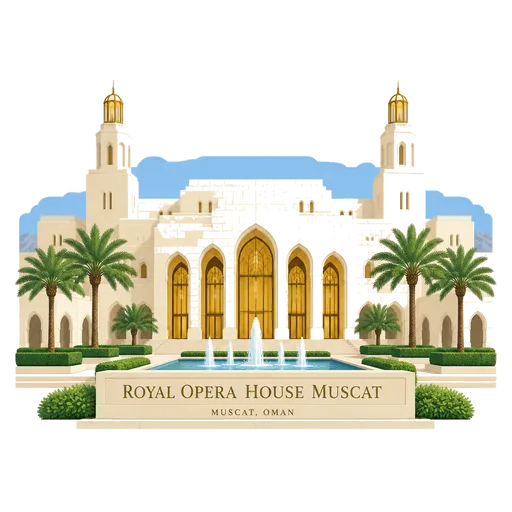
Royal Opera House Muscat
Oman's main venue for music and the performing arts, on Sultan Qaboos Street in the Shati Al Qurm district. It was built in the early 2000s and opened in 2011, and stages opera, ballet and concerts in a building of Omani style.
-
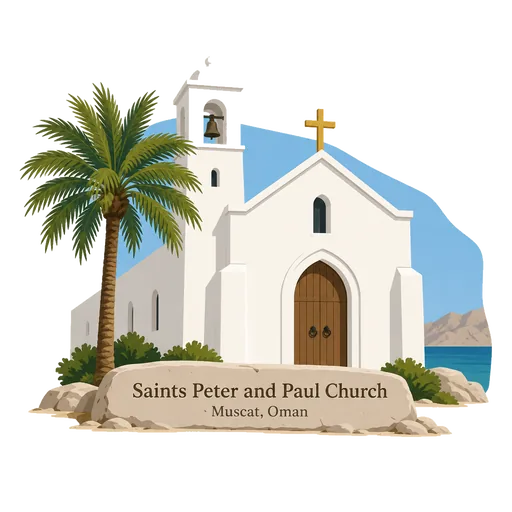
Saints Peter and Paul Church
A Catholic church in Ruwi, in Muscat, serving the large Christian community in the capital. It stands in a district of shops and offices, and masses are held there in several languages.
-
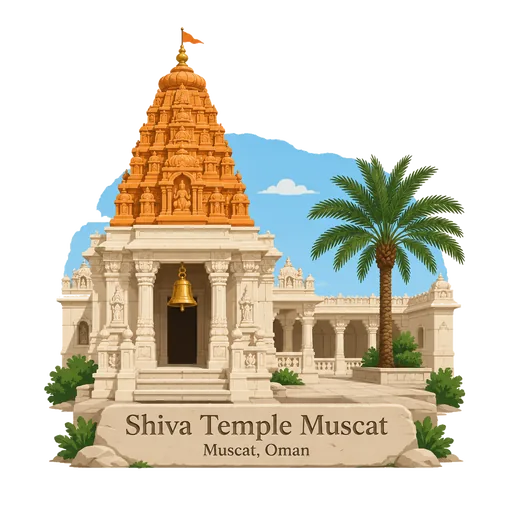
Shiva Temple Muscat
A Hindu temple complex in Muttrah, near the Al Alam Palace. Known as Motishwar Mandir, it is one of the oldest Hindu temples in the Gulf, built to serve the Indian merchant community of Muscat.
-
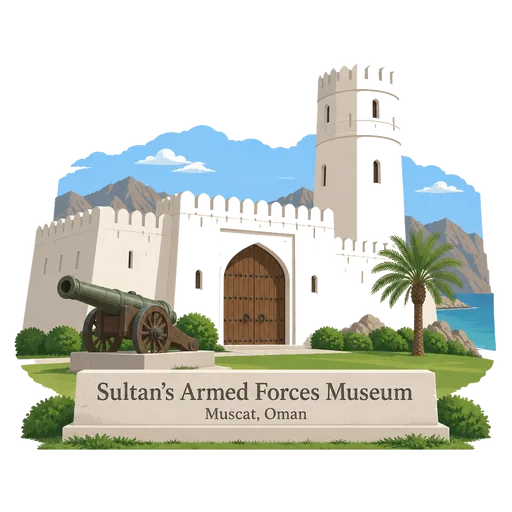
Sultan's Armed Forces Museum
A military history museum in Muscat, housed in the old Bait Al Falaj Fort, which is about 150 years old. The fort was once the headquarters of the Sultan's armed forces, and the displays follow the history of Oman's army.
-
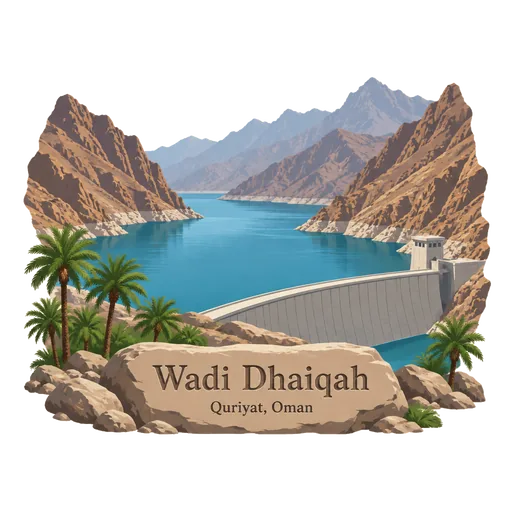
Wadi Dhaiqah
A canyon east of Muscat, used for a large dam which gathers water from the Hajar Mountains. The reservoir lies amid rocky slopes and is a quiet stop for visitors from the capital.
-
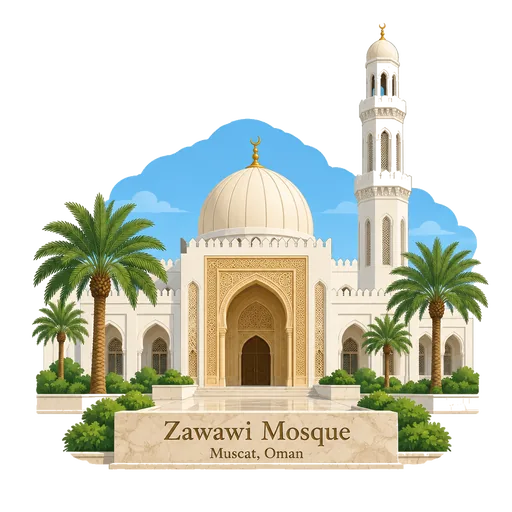
Zawawi Mosque
A Sunni mosque in the Al Khuwair district of Muscat, opposite the Natural History Museum. It is a landmark of the modern city with a wide dome and a decorated prayer hall.
Collecting in Muscat
What are the best places to visit in Muscat?
LOQAH lists 18 places in Muscat. The best known include Ad Dimaniyat Islands, Al Alam Palace, Sultan Qaboos Grand Mosque, Bait Al Zubair Museum and Bait Faransa. Each has a stamp of its own to collect when you are there.
How many LOQAH stamps are there in Muscat?
18, and more are added over time. Each place has LOQAH's carefully crafted stamp of its own.
How do I collect a stamp in Muscat?
Open LOQAH at the place and get its stamp. LOQAH checks where you are once, at that moment; at the place itself the stamp is confirmed on site, with a gold badge.
I have been to places in Muscat before. Can I add them?
Yes. In Earlier trips, choose Muscat and swipe through its stamps, or import your Google Timeline. Each one goes into your volume with the date, if you know it.
More in Oman
Collect your first stamp.
LOQAH is free on iPhone and Android, in India and 40 more countries, with more countries on the way. Stand at a place, collect its stamp, and keep every trip in a passport that grows.