

Places to visit in Lisbon, Portugal
45 places to visit in Lisbon, Portugal, each with LOQAH's carefully crafted stamp of its own: Belem Tower, Castle of the Moors, Convent of the Capuchos and more. Stand at any of them with the app open and the stamp is yours, confirmed on site, in your Lisbon volume.
10 UNESCO World Heritage sites · 2 Heritage sites · 9 Famous places to visit · 24 Hidden gems
UNESCO World Heritage sites in Lisbon (10)
-
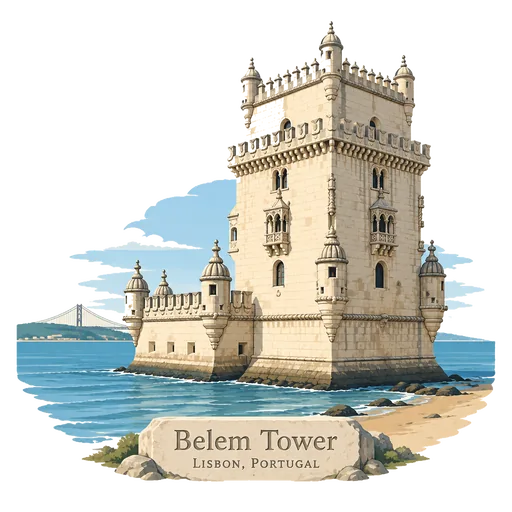
Belem Tower
A 16th century fortified tower on the bank of the Tagus in Belem, officially the Tower of Saint Vincent. It was the point where Portuguese explorers set out and returned, and it served as a ceremonial gateway to Lisbon.
-
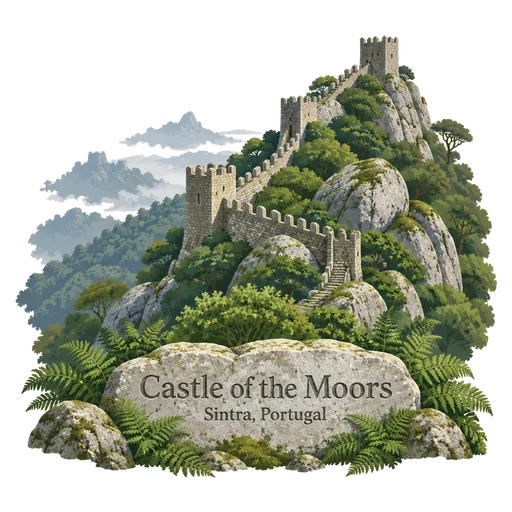
Castle of the Moors
A hilltop medieval castle above Sintra, about 25 km northwest of Lisbon. It was built by the Moors in the 8th and 9th centuries, and its stone walls climb the ridge in a long line with views toward the coast.
-
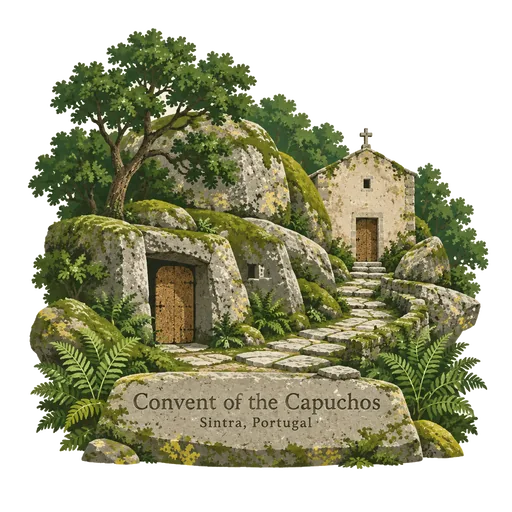
Convent of the Capuchos
A small Franciscan convent in the Sintra hills, officially the Convento da Santa Cruz da Serra de Sintra. It is made of tiny cells and shared spaces set among boulders and trees, deliberately plain and built close to the rock.
-
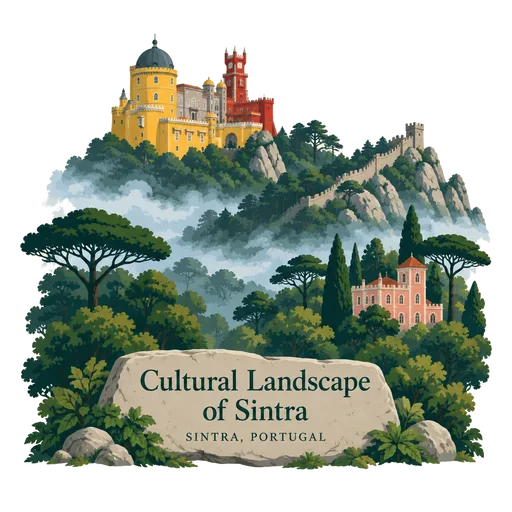
Cultural Landscape of Sintra
A hill resort west of Lisbon where Romantic era palaces, a Moorish castle and gardens sit in the Sintra mountains. The ensemble is a UNESCO World Heritage Site. It lies 25 kilometres from Lisbon and has been a favoured summer retreat for kings and writers.
-
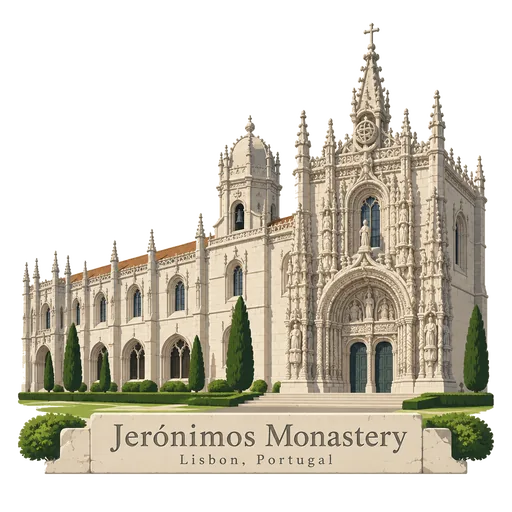
Jerónimos Monastery
A former monastery of the Order of Saint Jerome in the Belém district beside the Tagus. Begun in 1501 in the Manueline style and funded by trade wealth from the voyages of discovery, it holds the tomb of Vasco da Gama and is a UNESCO World Heritage Site.
-
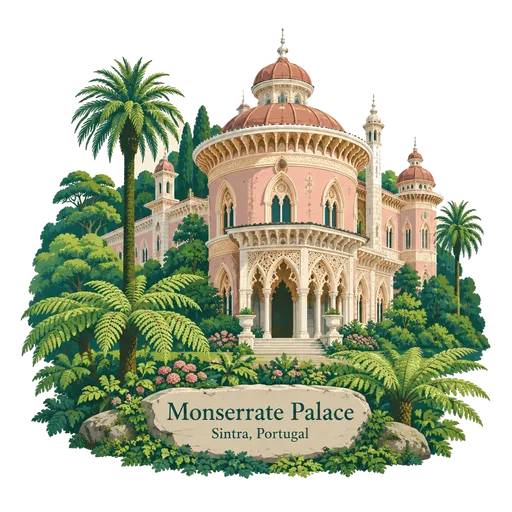
Monserrate Palace
A Moorish and Gothic style villa near Sintra, rebuilt in the 1860s for the English businessman Francis Cook. It stands in a large botanical garden with plants from many parts of the world.
-
Palace of Mafra
A huge Baroque and Neoclassical palace and convent built by King John V in the early 18th century, paid for with Brazilian gold. It has a basilica, a library of some 36,000 old volumes, and is a UNESCO World Heritage Site.
-
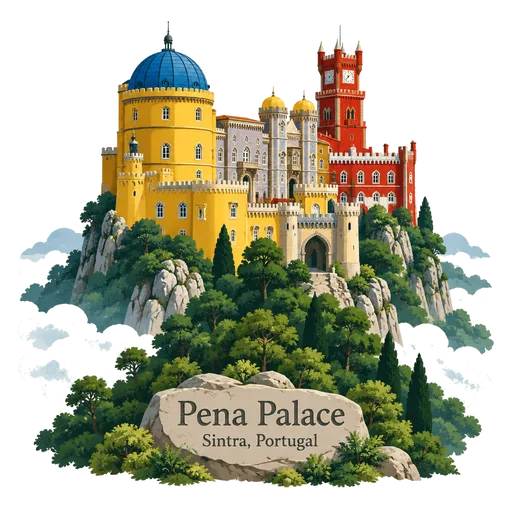
Pena Palace
A colourful Romanticist palace on a hilltop in the Sintra mountains, built in the 1840s for Ferdinand II on the ruins of a monastery. Its yellow and red towers can be seen from far across the surrounding forest.
-
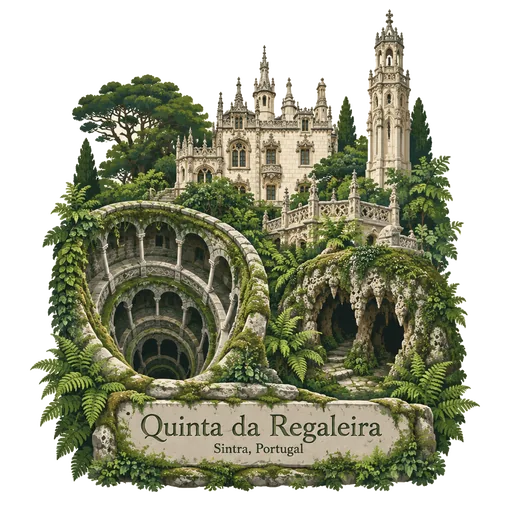
Quinta da Regaleira
A romantic estate in Sintra built between 1904 and 1910 for the wealthy Monteiro family. It is known for its neo Manueline palace, tunnels, grottoes and the spiral Initiation Well that descends into the garden.
-
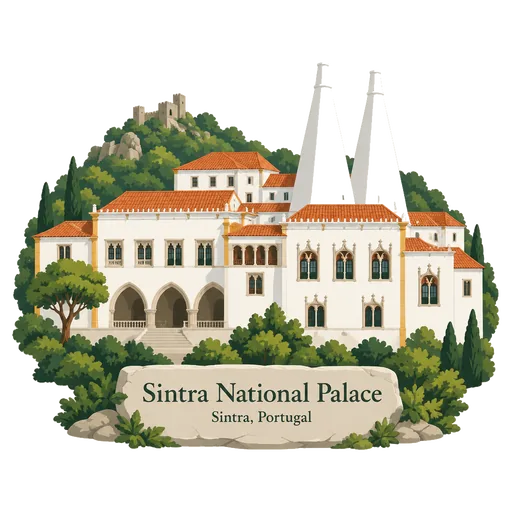
Sintra National Palace
A palace in the middle of Sintra town, recognised by its two giant white conical chimneys. It was used by Portuguese kings from the Middle Ages and is known for its decorated tile rooms and painted ceilings.

Heritage sites in Lisbon (2)
-
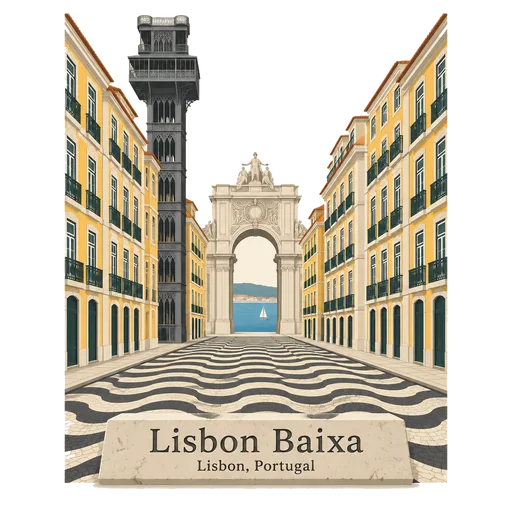
Lisbon Baixa
The downtown grid of Lisbon, laid out after the 1755 earthquake under the Marquis of Pombal. Its straight streets and uniform buildings were among the first examples of earthquake resistant design in Europe.
-
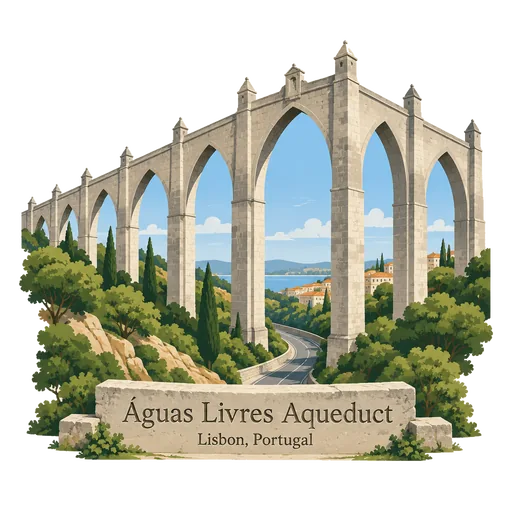
Águas Livres Aqueduct
An 18th century aqueduct built to bring water to Lisbon, ordered by King John V. Its tallest stone arch, over the Alcântara valley, is about 65 metres high and survived the 1755 earthquake.
Famous places to visit in Lisbon (9)
-
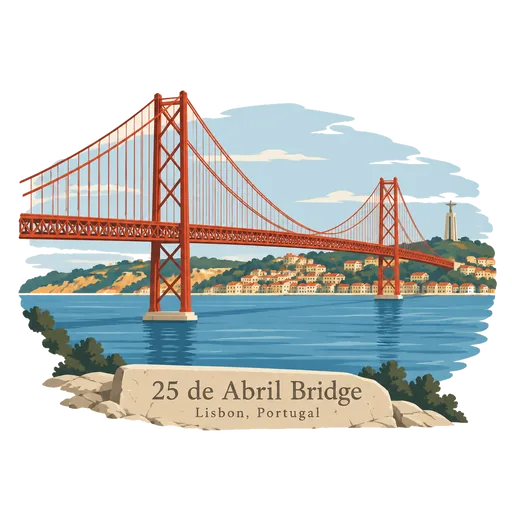
25 de Abril Bridge
A red suspension bridge across the Tagus linking Lisbon with Almada, opened in 1966 and renamed after the 1974 revolution. The American Bridge Company, which also built the San Francisco Oakland Bay Bridge, built it. Its upper deck carries road traffic, and the lower deck, added in 1999, carries trains.
-
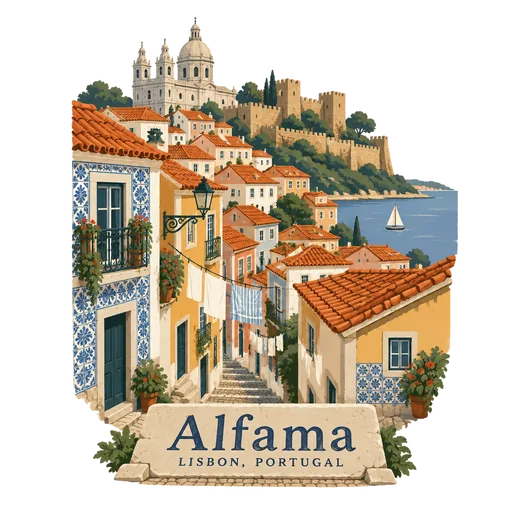
Alfama
The oldest district of Lisbon, a maze of lanes on the slope between São Jorge Castle and the Tagus. It survived the 1755 earthquake largely intact and is the home of fado music.
-
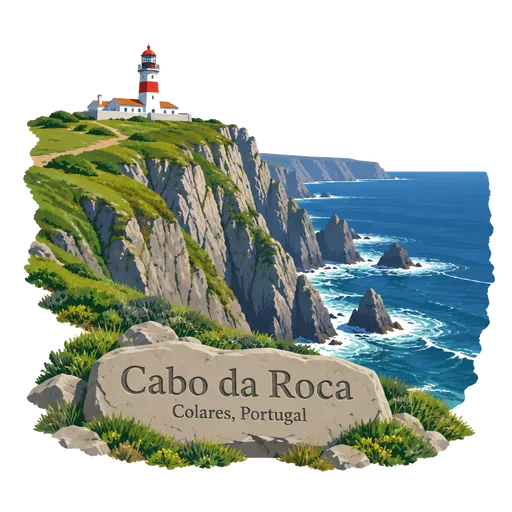
Cabo da Roca
A cape on the Sintra coast that is the westernmost point of mainland Europe. Cliffs rise about 140 metres above the Atlantic, and a lighthouse and a stone marker stand at the edge.
-
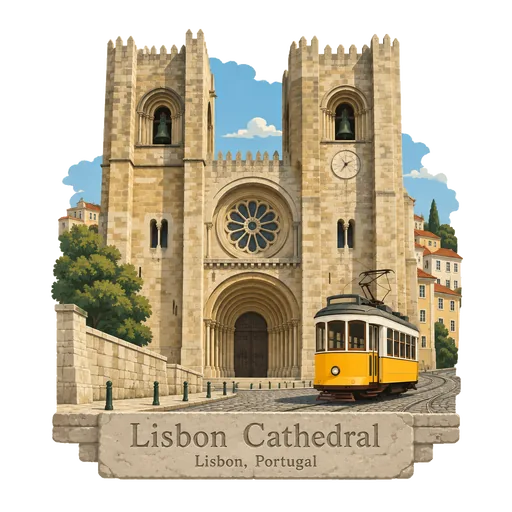
Lisbon Cathedral
The oldest church in the city, begun in 1147 after the conquest of Lisbon from the Moors. It has a fortress like Romanesque facade with two towers and was damaged and rebuilt after several earthquakes.
-
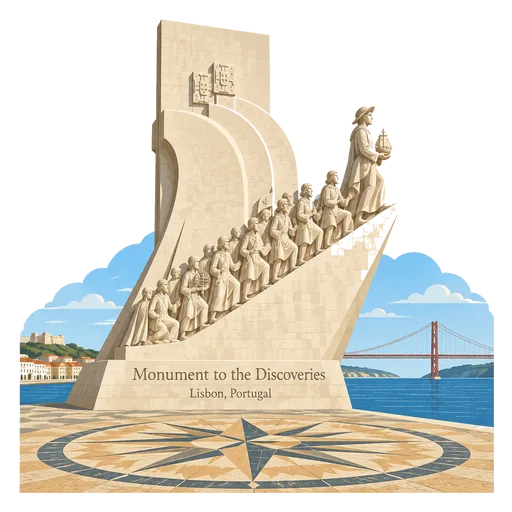
Monument to the Discoveries
A large stone monument on the Tagus waterfront in Belém, shaped like a caravel with Henry the Navigator at the prow. It was built in 1960 to mark 500 years since his death and carries figures from the Age of Discovery.
-
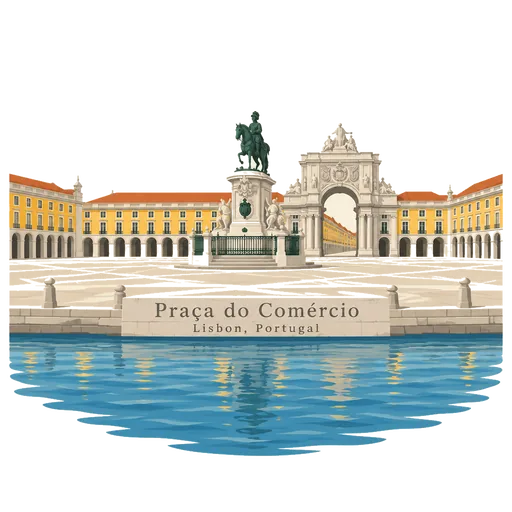
Praça do Comércio
A large harbour facing square in Lisbon, rebuilt after the 1755 earthquake on the site of the royal Ribeira Palace. Yellow arcades surround a statue of King Joseph I, and the square opens onto the Tagus.
-
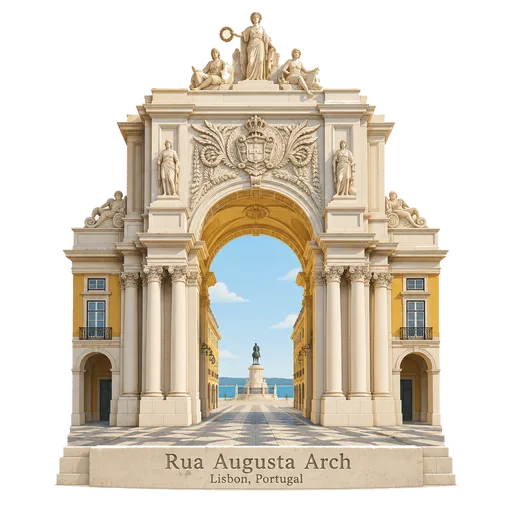
Rua Augusta Arch
A stone triumphal arch on Praça do Comércio in Lisbon, built to celebrate the city's rebuilding after the 1755 earthquake and finished in 1873. Visitors can climb to a viewing platform at the top.
-
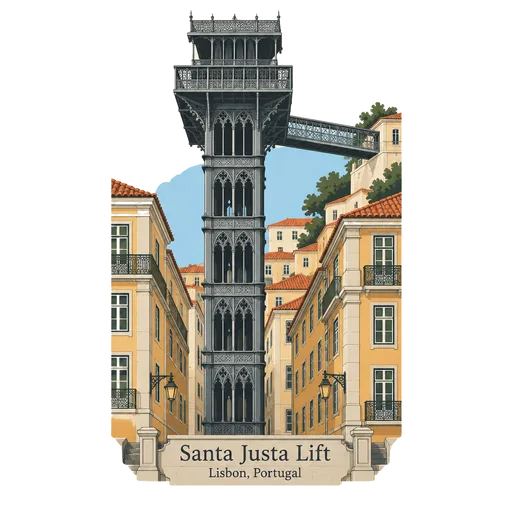
Santa Justa Lift
An iron elevator in central Lisbon that links the Baixa with the Carmo Square above. It was opened in 1902 and designed by Raoul Mesnier du Ponsard, a pupil of Gustave Eiffel.
-
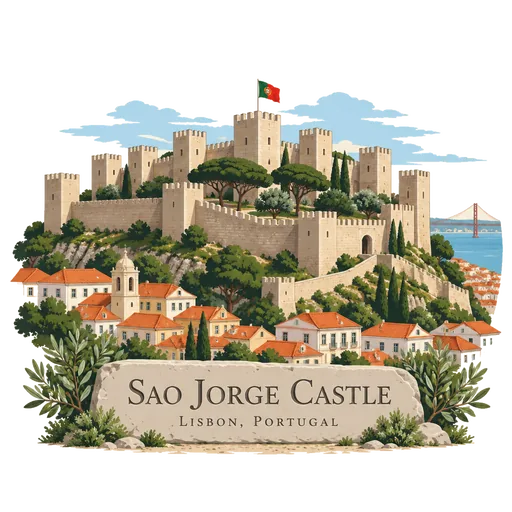
Sao Jorge Castle
A hilltop castle above Lisbon's Alfama district, in the parish of Santa Maria Maior. People have lived on the castle hill since at least the 8th century BC, and the walls and towers now give wide views over the city and the Tagus.
Hidden gems in Lisbon (24)
-
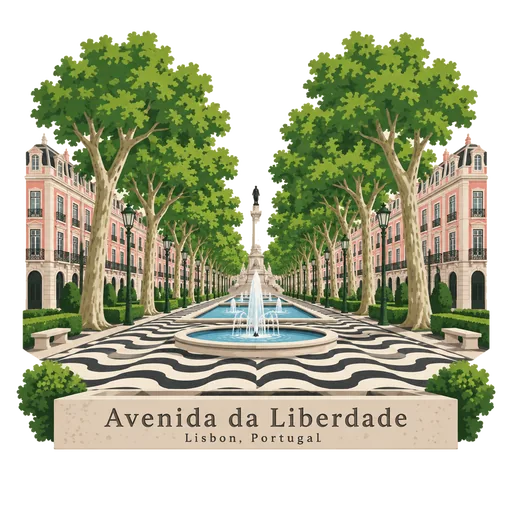
Avenida da Liberdade
A boulevard in central Lisbon built between 1879 and 1886, running about 1.1 kilometres north from Restauradores Square. Lined with trees, fountains and mosaic pavements, it is now home to luxury shops and hotels.
-
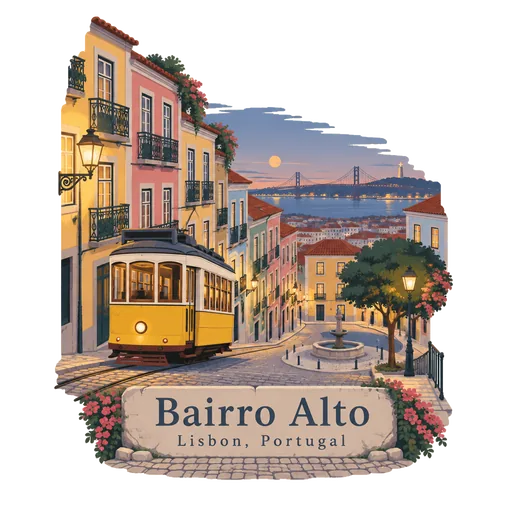
Bairro Alto
A hilltop district of Lisbon laid out in the 16th century on a grid of narrow streets. It is quiet by day and known at night for its bars, restaurants and fado houses.
-
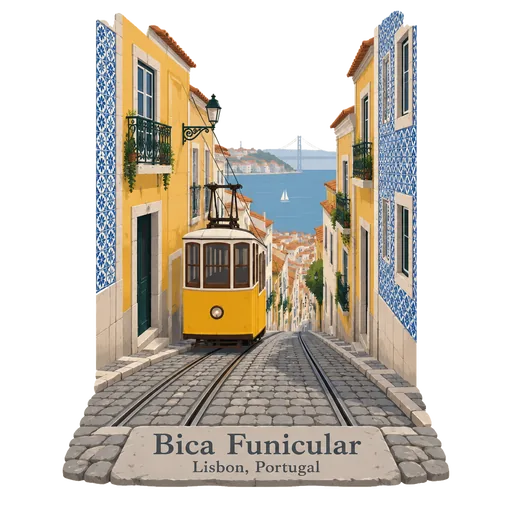
Bica Funicular
A short funicular railway running up a steep, narrow street in Lisbon from near the river to Bairro Alto. It opened in 1892 and its yellow cars are a familiar sight in the city.
-
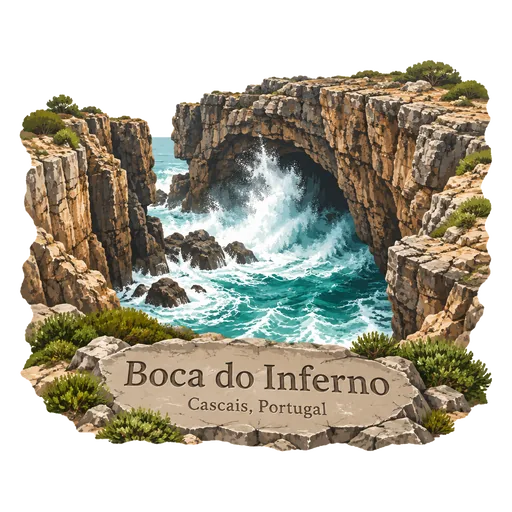
Boca do Inferno
A chasm in the seaside cliffs close to Cascais. Seawater reaches the deep bottom of the opening and strikes its rocky walls with force, which makes it a popular stop on the coast west of Lisbon.
-
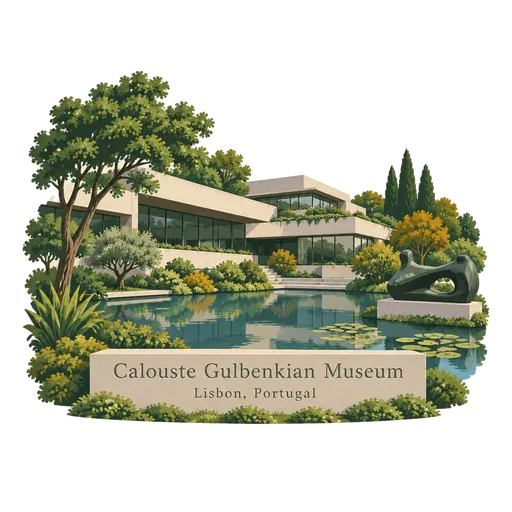
Calouste Gulbenkian Museum
A museum in Lisbon built to display the private collection of the oil magnate Calouste Gulbenkian. It spans Egyptian antiquities, Islamic art, European paintings and works by Lalique. The grounds include a modern park and a separate modern art centre, opened in 1983 beside the main building.
-
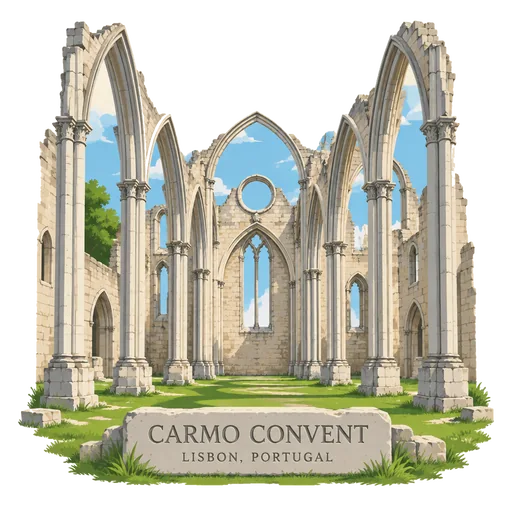
Carmo Convent
The roofless Gothic ruin of a convent in central Lisbon, left standing after the 1755 earthquake. Its open nave with soaring arches now houses an archaeological museum. The earthquake struck on All Saints Day, 1 November, while many people were praying in church.
-
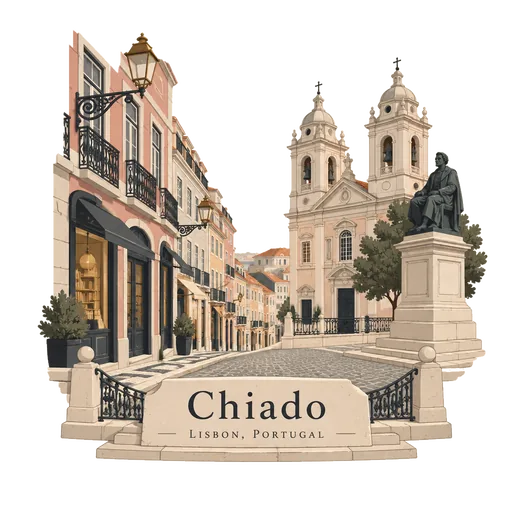
Chiado
A historic district of Lisbon between Bairro Alto and the Baixa, known for old cafes, theatres and bookshops. A major fire in 1988 destroyed much of it, and it was rebuilt afterwards.
-
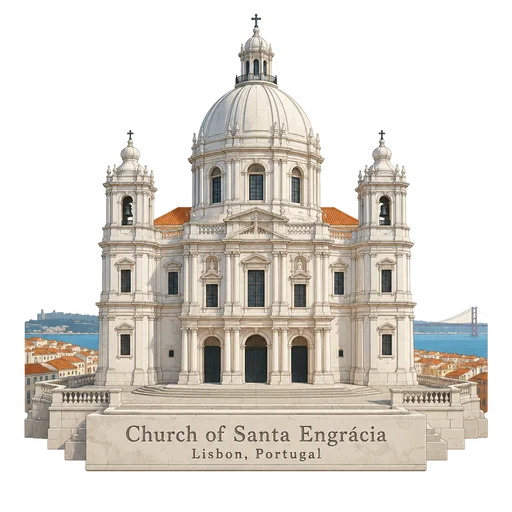
Church of Santa Engrácia
A domed Baroque church in Lisbon that took almost 300 years to finish, from the 17th century to 1966. It is now the National Pantheon, with memorials to Portuguese figures such as Amália Rodrigues.
-
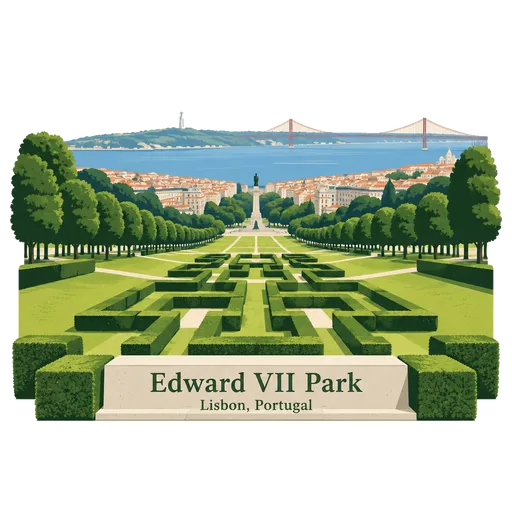
Edward VII Park
A hilltop park in Lisbon about 26 hectares in size, named after the British king who visited in 1903. Formal box hedges slope down from the top to the Marquis of Pombal Square, with wide views along Avenida da Liberdade.
-
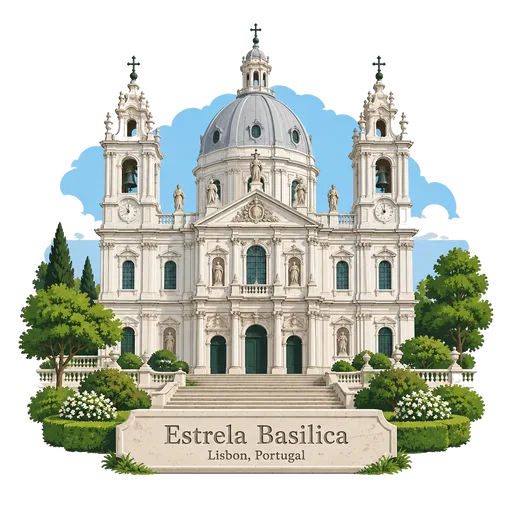
Estrela Basilica
A Baroque and neoclassical basilica in Lisbon with a large white dome, completed in 1790 on the orders of Queen Maria I. It holds her tomb and a large nativity scene made of cork and terracotta.
-
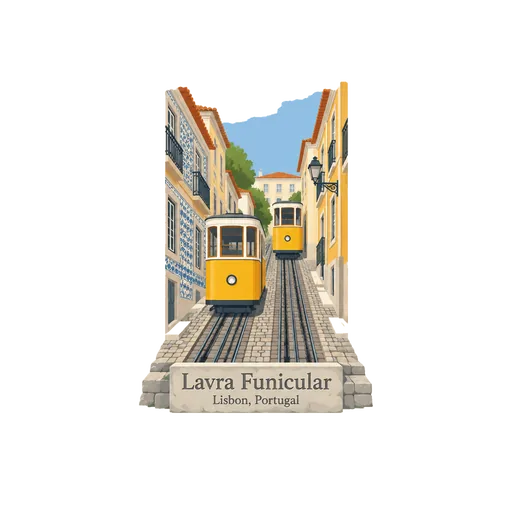
Lavra Funicular
The oldest funicular in Lisbon, which opened in 1884. It climbs a steep street from near Avenida da Liberdade up to the Campo Mártires da Pátria. It is a short climb in a lively neighbourhood, and the cars have wooden interiors.
-
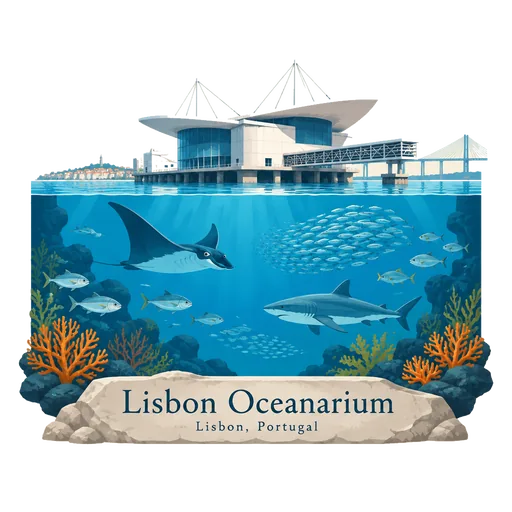
Lisbon Oceanarium
A large public aquarium in the Parque das Nações, built for Expo 98. Its central tank holds sharks, rays and ocean sunfish and is viewed from several levels. Its design is meant to show one connected global ocean, with sea otters and penguins among its other residents.
-
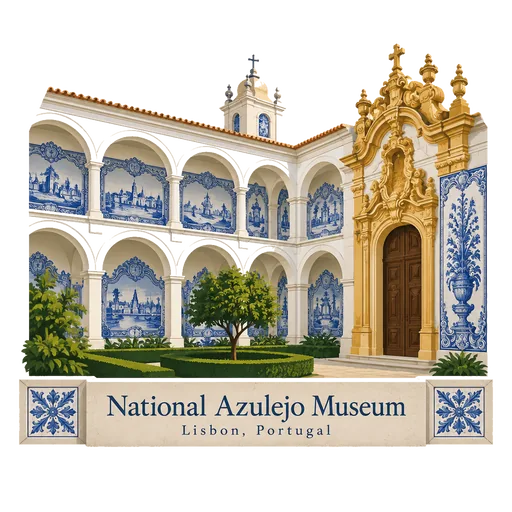
National Azulejo Museum
A museum in a former convent in Lisbon dedicated to the azulejo, Portugal's painted tile. Its collection runs from the 15th century to today, and includes a long panel showing Lisbon before the 1755 earthquake.
-
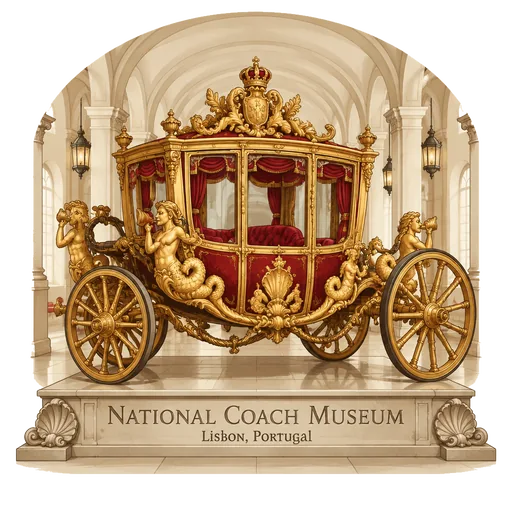
National Coach Museum
A museum in Belem, Lisbon, first founded in 1905 as the Royal Coaches Museum. It holds horse drawn coaches and carriages that belonged to the royal houses of Portugal from the 16th to the 19th century.
-
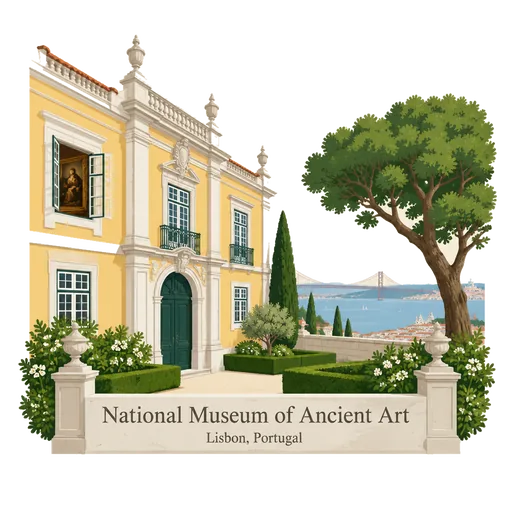
National Museum of Ancient Art
Portugal's main art museum, in a former palace in Lisbon. It holds over 40,000 works, including Hieronymus Bosch's triptych The Temptations of Saint Anthony and Japanese Nanban screens. The museum sits in the Palace of the Counts of Alvor in the Santos district, near the Tagus.
-
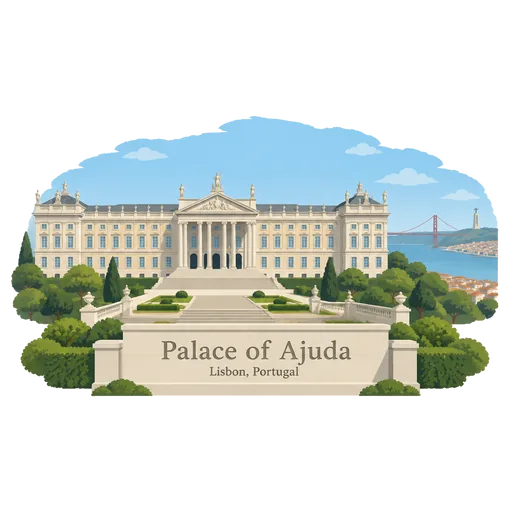
Palace of Ajuda
A neoclassical palace in Lisbon begun after the 1755 earthquake and never fully completed. It served as a royal residence in the 19th century and now displays period rooms and royal treasures.
-
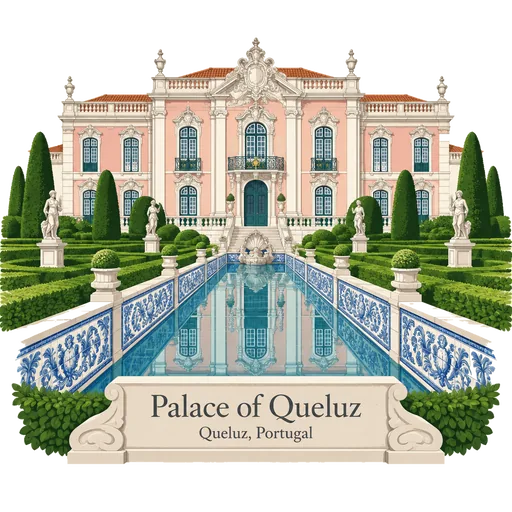
Palace of Queluz
A pink 18th century royal palace near Lisbon, built in a Rococo style as a summer residence. It has formal gardens with fountains and tiled canals, and is sometimes called the Portuguese Versailles.
-
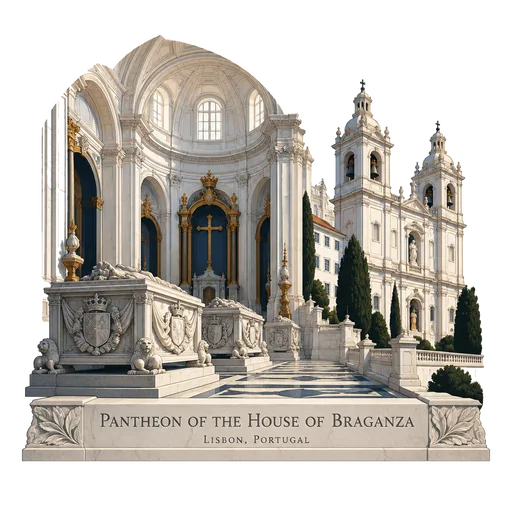
Pantheon of the House of Braganza
The royal burial place in the Monastery of São Vicente de Fora in Lisbon. Many members of the Braganza dynasty, which ruled Portugal from 1640 to 1910, rest in its tombs. The pantheon was set up in the 19th century and holds the last kings, including Carlos I.
-
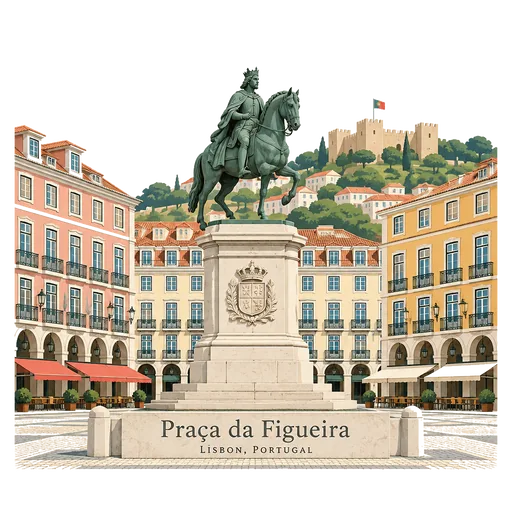
Praça da Figueira
A square in the Baixa of Lisbon, built after the 1755 earthquake on the site of a hospital. A bronze equestrian statue of King John I stands in the middle, surrounded by cafes.
-
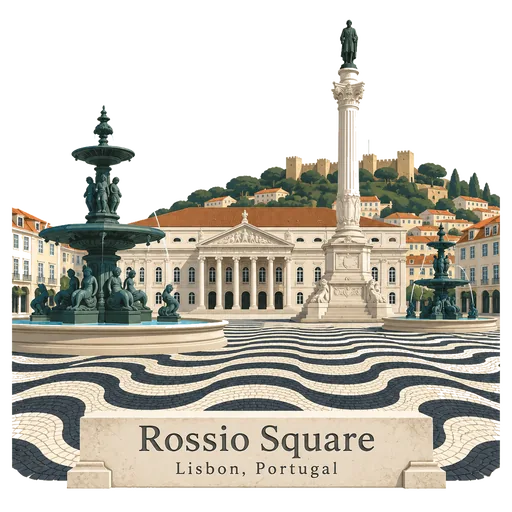
Rossio Square
A main square of Lisbon since the Middle Ages, now paved with wave patterned stones. A column topped with a statue of Pedro IV stands in the middle, with fountains and the National Theatre on one side.
-
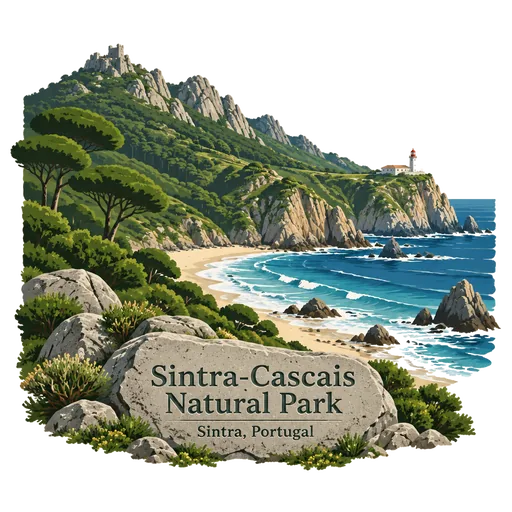
Sintra-Cascais Natural Park
A protected area west of Lisbon covering the Sintra mountains and the coast to Cascais. It combines forested hills, palaces, Atlantic cliffs and beaches, and includes Cabo da Roca. The park was formally established in 1994 and is crossed by many hiking trails.
-
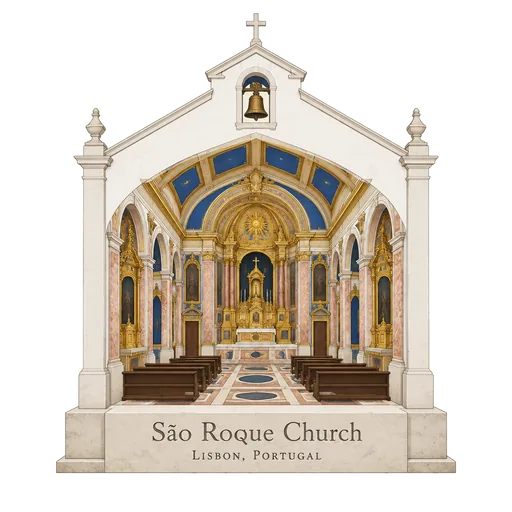
São Roque Church
The first Jesuit church in the Portuguese world, built in Lisbon in the 16th century. It has a plain front but a rich interior, including the Chapel of Saint John the Baptist made in Rome in the 1740s.
-
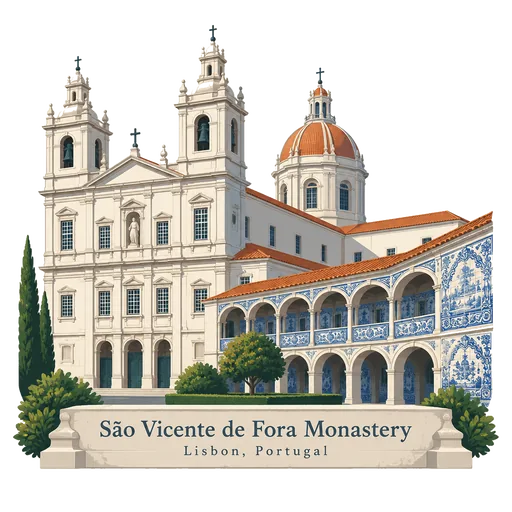
São Vicente de Fora Monastery
A 17th century church and monastery in Lisbon, built on the site of an earlier church from the 12th century. It holds the royal Pantheon of the Braganza dynasty and cloisters covered with blue azulejo tiles.
-
Time Out Market Lisboa
A food hall inside the Mercado da Ribeira at Cais do Sodre in Lisbon. The historic market building now holds many food stalls under one roof, with long shared tables where visitors sit and eat.

Collecting in Lisbon
What are the best places to visit in Lisbon?
LOQAH lists 45 places in Lisbon. The best known include Belem Tower, Castle of the Moors, Convent of the Capuchos, Cultural Landscape of Sintra and Jerónimos Monastery. Each has a stamp of its own to collect when you are there.
How many LOQAH stamps are there in Lisbon?
45, and more are added over time. Each place has LOQAH's carefully crafted stamp of its own.
How do I collect a stamp in Lisbon?
Open LOQAH at the place and get its stamp. LOQAH checks where you are once, at that moment; at the place itself the stamp is confirmed on site, with a gold badge.
I have been to places in Lisbon before. Can I add them?
Yes. In Earlier trips, choose Lisbon and swipe through its stamps, or import your Google Timeline. Each one goes into your volume with the date, if you know it.
More in Portugal
Collect your first stamp.
LOQAH is free on iPhone and Android, in India and 40 more countries, with more countries on the way. Stand at a place, collect its stamp, and keep every trip in a passport that grows.