

Places to visit in Andalusia, Spain
38 places to visit in Andalusia, Spain, each with LOQAH's carefully crafted stamp of its own: Albaicín, Alcázar de los Reyes Cristianos, Alhambra and more. Stand at any of them with the app open and the stamp is yours, confirmed on site, in your Andalusia volume.
15 UNESCO World Heritage sites · 1 Heritage site · 14 Famous places to visit · 8 Hidden gems
UNESCO World Heritage sites in Andalusia (15)
-
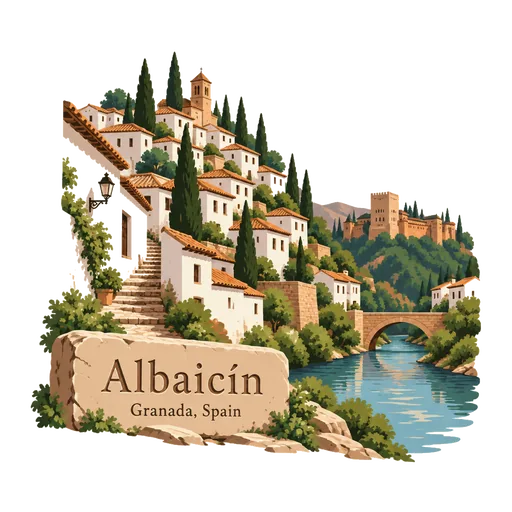
Albaicín
A neighbourhood of Granada centred around a hill on the north side of the Darro River. It is notable for its historic monuments and for keeping much of its medieval Moorish layout of narrow lanes. Viewpoints here look across to the Alhambra.
-
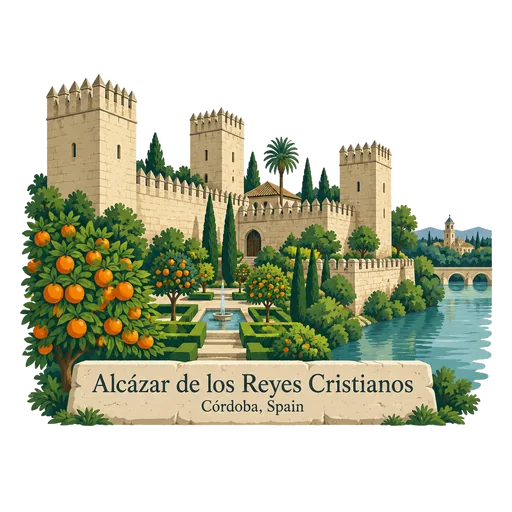
Alcázar de los Reyes Cristianos
A medieval fortress in the historic centre of Córdoba, next to the Guadalquivir and near the Mosque-Cathedral. It served as one of the main residences of the Catholic Monarchs. Its towers, baths and gardens with long fish ponds are open to visitors.
-
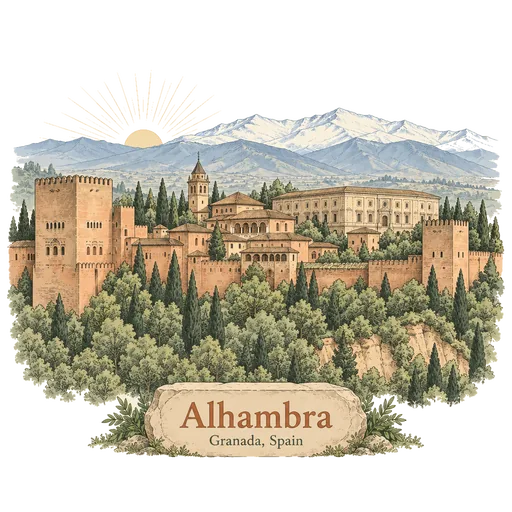
Alhambra
The Nasrid palace and fortress above Granada, whose courts and halls are carved and tiled like lace. It was mostly built in the 13th and 14th centuries, and its Court of the Lions and Generalife gardens are among its best-known parts.
-
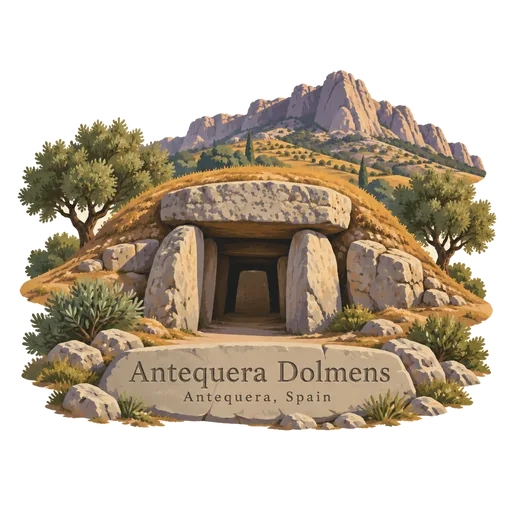
Antequera Dolmens
Three huge Neolithic burial monuments near Antequera: the dolmens of Menga and Viera, and the Tholos of El Romeral. Menga is among the largest megalithic chambers in Europe, and it is lined with enormous stone slabs.
-
Archivo General de Indias
A Renaissance building beside Seville Cathedral, created by Charles III and inaugurated in 1785 to gather the records of Spain's empire in the Americas. It keeps millions of documents, among them letters of Columbus and Cortés.
-
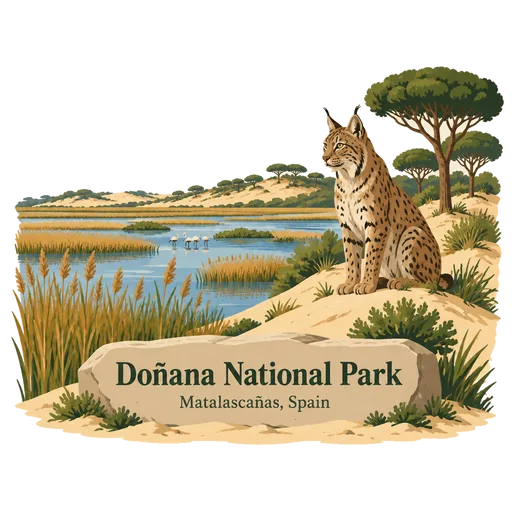
Doñana National Park
A vast reserve of marshes, dunes and pine woods at the mouth of the Guadalquivir. It shelters the Iberian lynx and the Spanish imperial eagle, and it is a winter home for huge numbers of migratory birds.
-
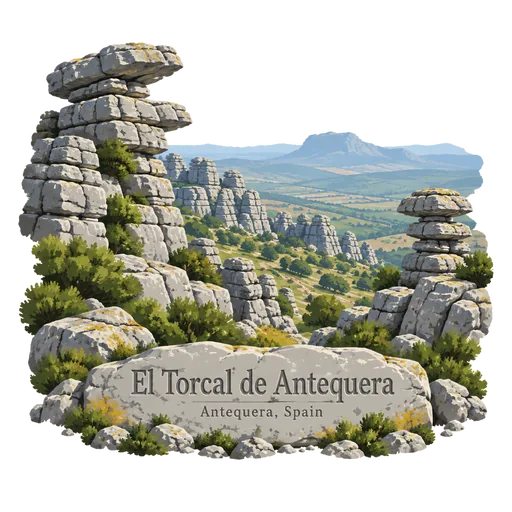
El Torcal de Antequera
A nature reserve in the Sierra del Torcal, south of Antequera in Málaga province. It is known for its unusual limestone landforms, piled rocks shaped by water and wind. Marked trails lead through the stone mazes.
-
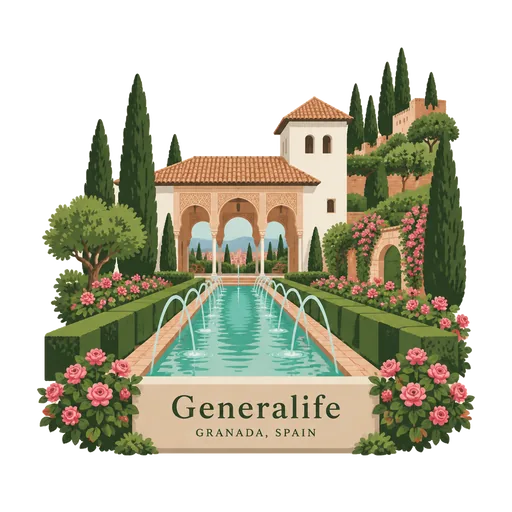
Generalife
A summer palace and country estate of the Nasrid rulers of Granada, on the hillside next to the Alhambra. Its terraced gardens have long pools, fountains and clipped hedges, and are watered by an old irrigation channel.
-
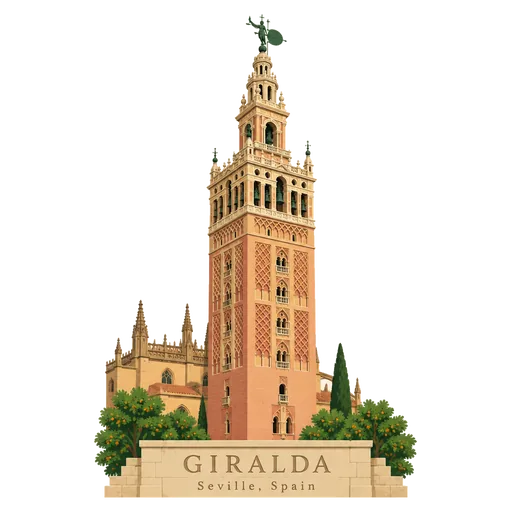
Giralda
The bell tower of Seville Cathedral, built in the late 12th century as the minaret of the city's great mosque. A Renaissance belfry was added on top, and visitors climb a ramp rather than stairs to the top.
-
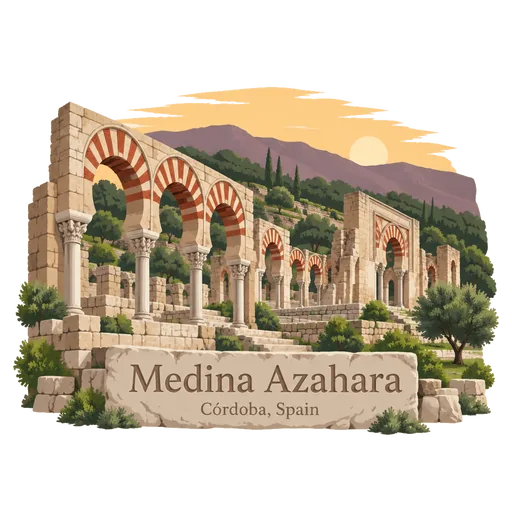
Medina Azahara
The ruins of a palace city built from the 10th century by the Umayyad caliph Abd al-Rahman III on the slopes of the Sierra Morena, west of Córdoba. It was sacked and abandoned early in the 11th century, and excavation continues today.
-
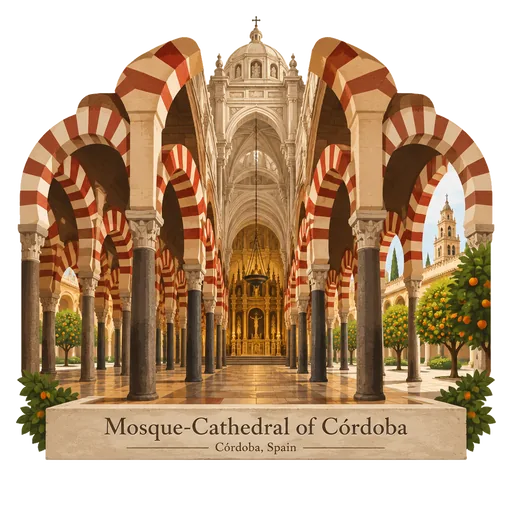
Mosque-Cathedral of Córdoba
A mosque begun in the 8th century that became a Catholic cathedral after the Christian conquest of 1236. Its forest of red and white striped arches is among the finest works of Islamic architecture in the West, with a Renaissance nave rising from the middle.
-
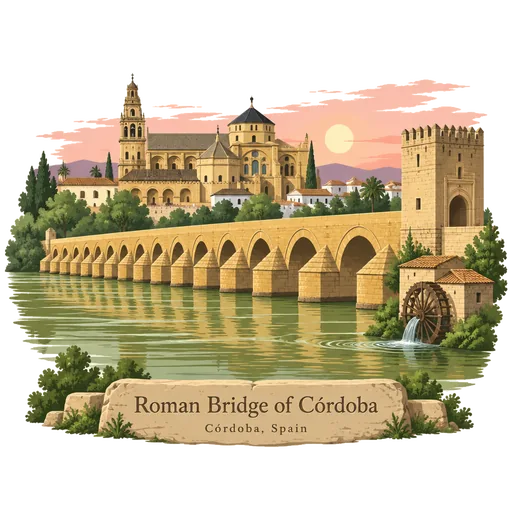
Roman Bridge of Córdoba
An old stone bridge in the historic centre of Córdoba, crossing the Guadalquivir River beside the Mosque-Cathedral. Its Roman origins were rebuilt many times over the centuries. It is a pedestrian route with fine views of the old town.
-
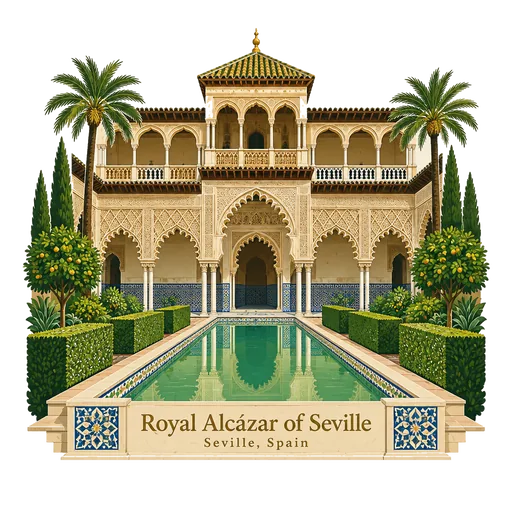
Royal Alcázar of Seville
A royal palace in Seville that is still an official residence of the Spanish royal family. It stands on the site of the Islamic citadel begun in the 10th century. The Mudéjar halls, patios and terraced gardens make it one of the finest palace complexes in Spain.
-
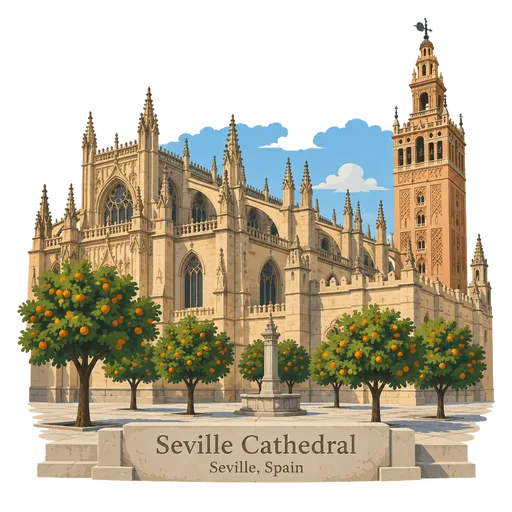
Seville Cathedral
One of the largest Gothic cathedrals in the world, built in the 15th century on the site of the city's great mosque. It holds a tomb said to be that of Christopher Columbus and has a massive gilded altarpiece.
-
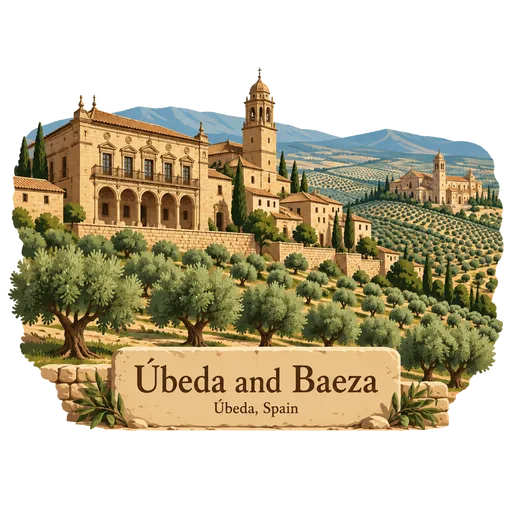
Úbeda and Baeza
Two small towns in Jaén province, rebuilt in the 16th century with palaces and churches in a Renaissance style. They sit among olive groves, and their stone squares and noble houses still feel unchanged.

Heritage sites in Andalusia (1)
-
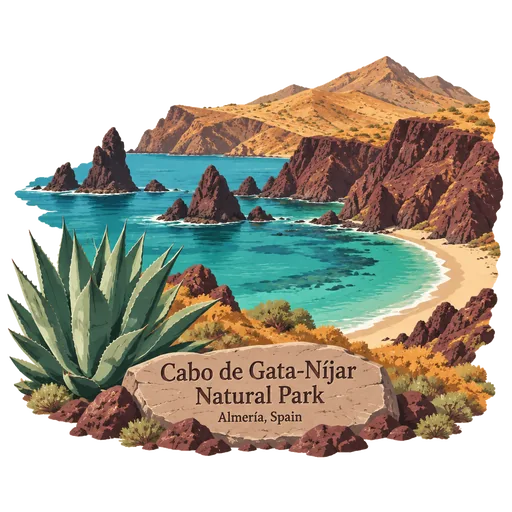
Cabo de Gata-Níjar Natural Park
A natural park on the southeast coast of Spain, the largest protected coastal area in Andalusia. Its rugged volcanic landscape lies in the only region of Europe with a hot desert climate. Cliffs, salt flats and quiet beaches run along the shore.
Famous places to visit in Andalusia (14)
-
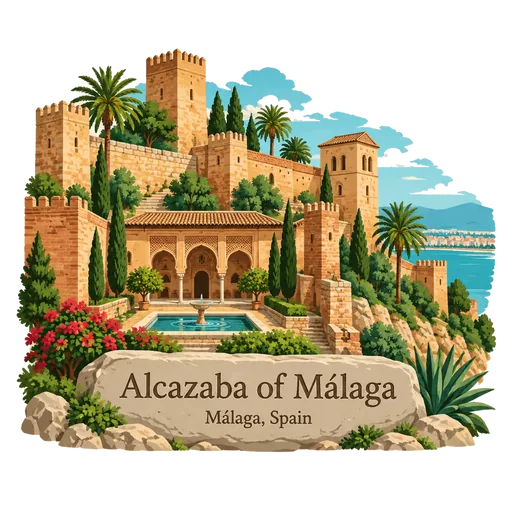
Alcazaba of Málaga
A palatial fortification built in the Muslim period of Al-Andalus, begun in the 11th century and modified or rebuilt until the 14th. It is one of the best preserved of its kind in Spain. Courtyards, fountains and gates climb the hill above the city.
-
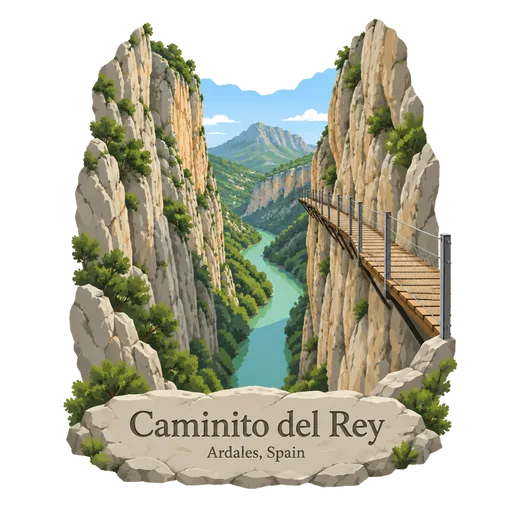
Caminito del Rey
A walkway pinned along the steep walls of a narrow gorge at El Chorro, near Ardales in Málaga province. Its name comes from the original Camino del Rey, shortened locally to el caminito. The path hangs high above the river and was reopened to walkers after renovation.
-
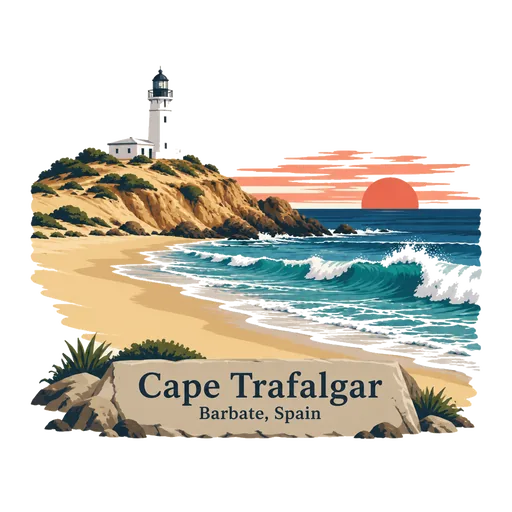
Cape Trafalgar
A low headland on the Atlantic coast of Cádiz province, with a lighthouse and wide beaches. Off its shores, in 1805, Nelson's fleet defeated a French and Spanish force in the Battle of Trafalgar.
-
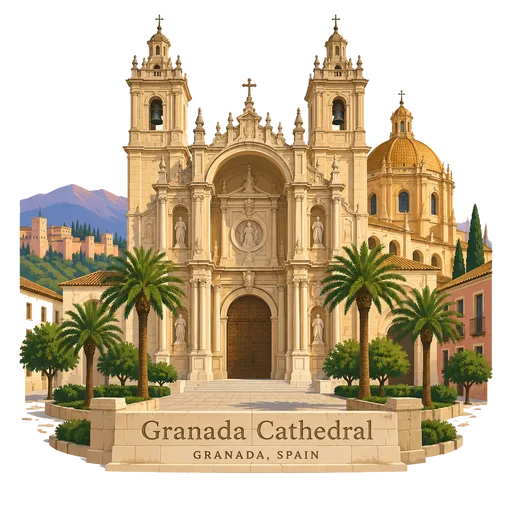
Granada Cathedral
A large Renaissance cathedral in Granada, begun in 1523 on the site of the city's main mosque. Its round capilla mayor is covered in gold and stained glass, and the Catholic Monarchs are buried in the neighbouring Royal Chapel.
-
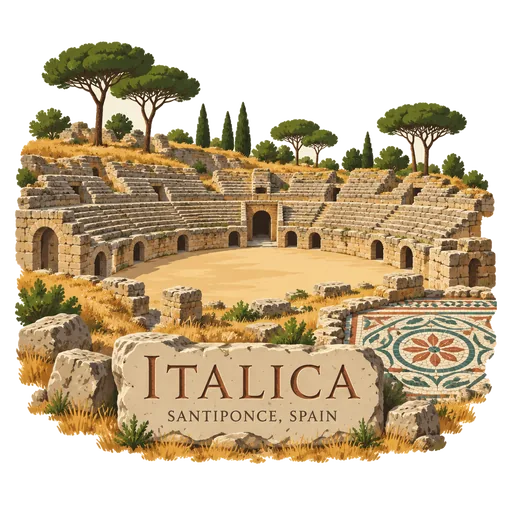
Italica
The ruins of a Roman city near Seville, founded in 206 BC and the birthplace of the emperors Trajan and Hadrian. Its large amphitheatre, mosaic floors and street grid can still be explored.
-
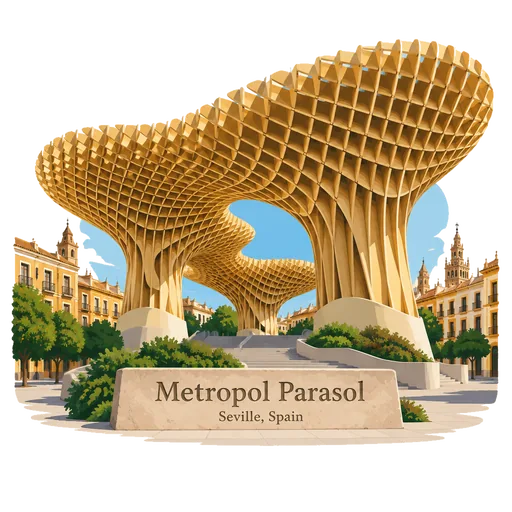
Metropol Parasol
A large wooden structure over La Encarnación square in Seville's old quarter, nicknamed Las Setas, the mushrooms. It shelters a traditional market, restaurants, a performance square and Roman archaeological remains found beneath it. A walkway across the top gives views over the rooftops.
-
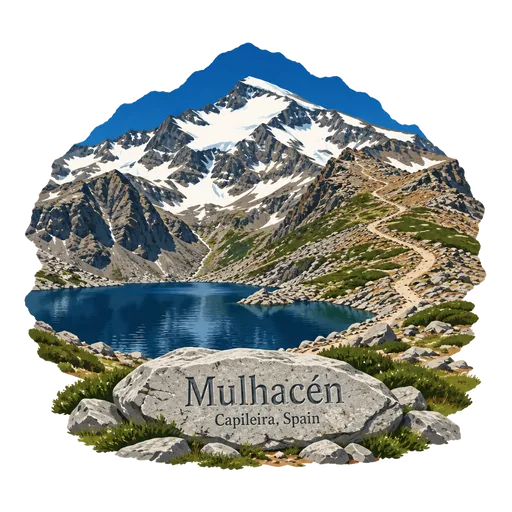
Mulhacén
The highest mountain on the Iberian Peninsula, at 3,479 metres, in the Sierra Nevada above Granada. Walkers can reach the summit in summer by trail from the village of Capileira. It is named after a Moorish king of Granada, Muley Hacén.
-
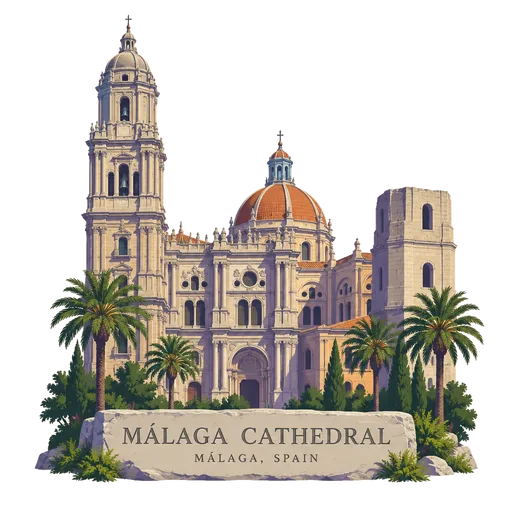
Málaga Cathedral
A Renaissance cathedral in Málaga begun in the 16th century. Only one of its two towers was ever finished, so locals call it La Manquita, the one armed lady. Building went on for around two centuries.
-
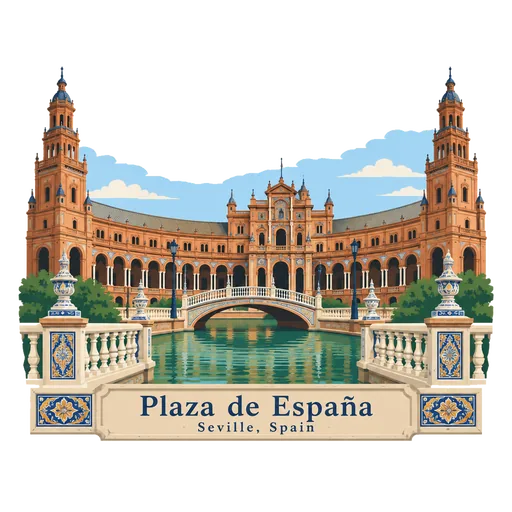
Plaza de España
A huge semicircular plaza in María Luisa Park, built in 1928 for the Ibero-American Exposition of 1929. Tiled alcoves represent each Spanish province, and a canal with small rowing boats runs in front.
-
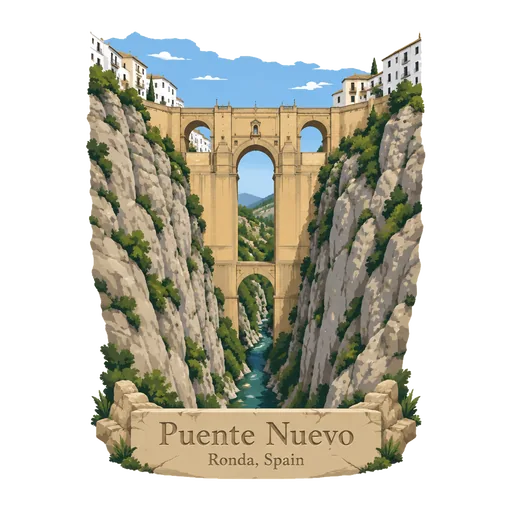
Puente Nuevo
The newest and largest of three bridges over the 120 metre deep El Tajo Gorge, which carries the Guadalevín River through Ronda. It was completed in 1793. Viewpoints and trails around the gorge show its tall stone arch from below.
-
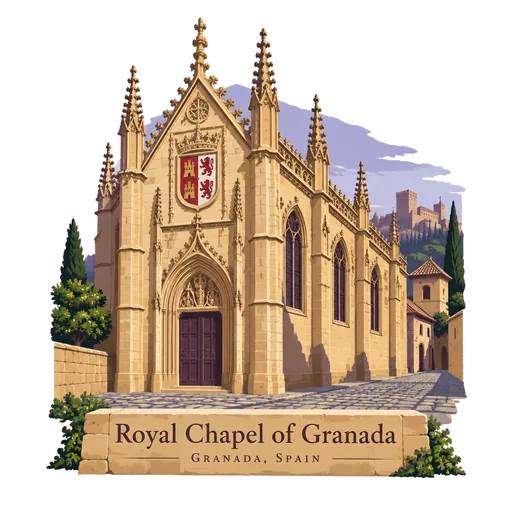
Royal Chapel of Granada
An Isabelline style building in Granada, constructed between 1505 and 1517 and originally joined to the neighbouring cathedral. It is the burial place of the Catholic Monarchs, Queen Isabella and King Ferdinand. Their tombs of carved marble lie in the chapel.
-
Sierra Nevada
A mountain range in southern Spain, home to Mulhacén and Veleta, the highest peaks of the Iberian Peninsula. Snow lies on the peaks for much of the year, and a ski resort sits above Granada.
-
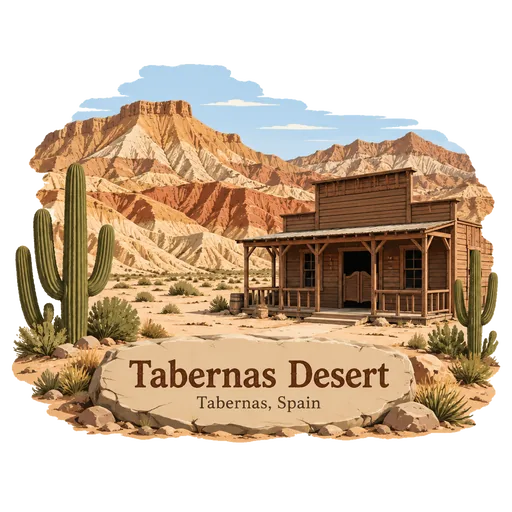
Tabernas Desert
A dry badlands in Almería, one of the few true deserts in Europe. Its barren hills were used for many spaghetti westerns, and old film sets survive as tourist attractions. Rain is scarce and summers are very hot.
-
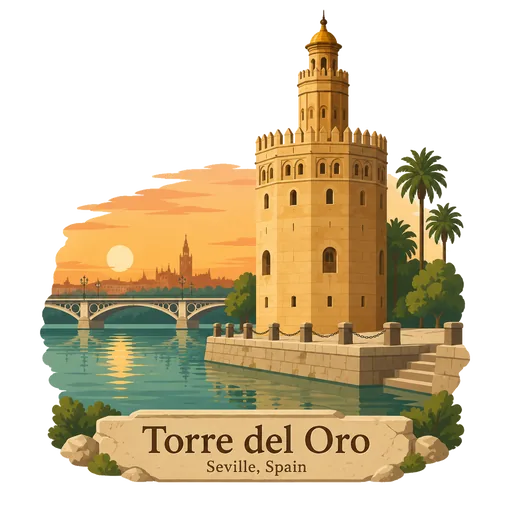
Torre del Oro
A twelve sided military watchtower on the bank of the Guadalquivir in Seville. It was built by the Almohad Caliphate in the early 13th century to control river access to the city. Today it houses a small naval museum.

Hidden gems in Andalusia (8)
-
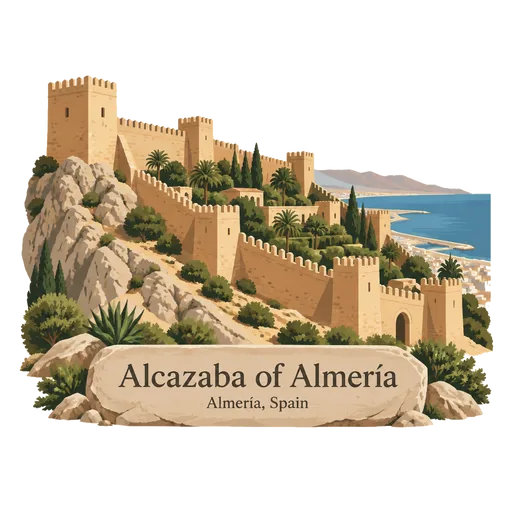
Alcazaba of Almería
A fortified complex on the hill above Almería in southern Spain. The word alcazaba comes from the Arabic for a walled fortification. Its long walls run down the slopes and enclose gardens and ruined palace rooms.
-
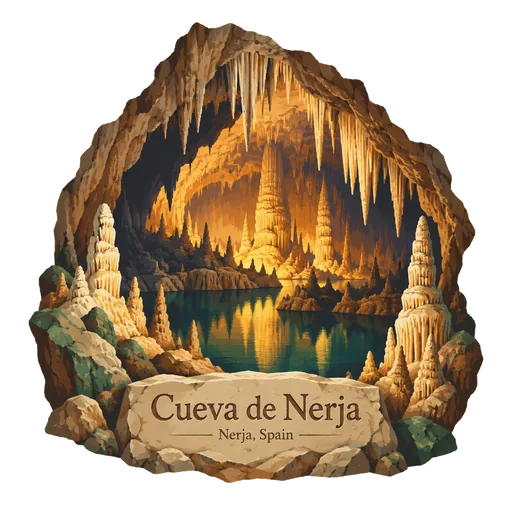
Cueva de Nerja
A series of caverns close to the town of Nerja in Málaga province, stretching for almost 5 kilometres. They are one of the major tourist attractions of Spain. Concerts are regularly held in one of the large chambers.
-
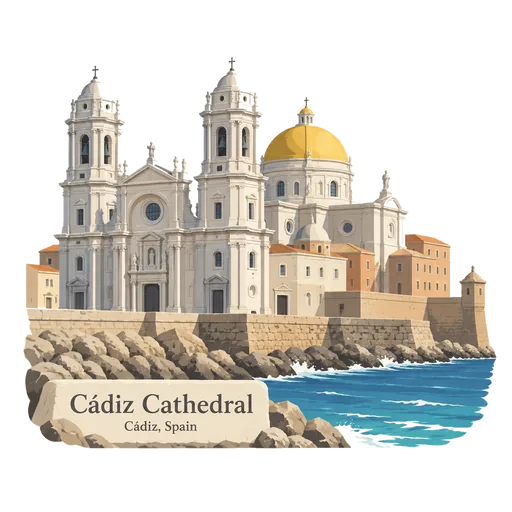
Cádiz Cathedral
The Cathedral of the Holy Cross over the Waters, seat of the Diocese of Cádiz y Ceuta. It was built between 1722 and 1838 and was declared a Bien de Interés Cultural in 1931. Its yellow dome rises beside the sea in the old town.
-
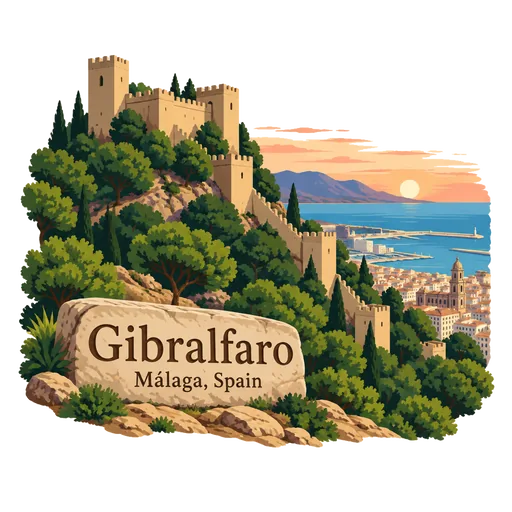
Gibralfaro
A hill 130 metres high above Málaga, a foothill of the Montes de Málaga in the Penibetic range. A castle stands on top and is linked by a wall to the Alcazaba below. The summit gives wide views of the port and the city.
-
Granada Charterhouse
A Carthusian monastery in Granada, regarded as one of the finest examples of Spanish Baroque architecture. Its sacristy is covered in rich white and coloured stucco and marble. It stands on the northern edge of the city.
-
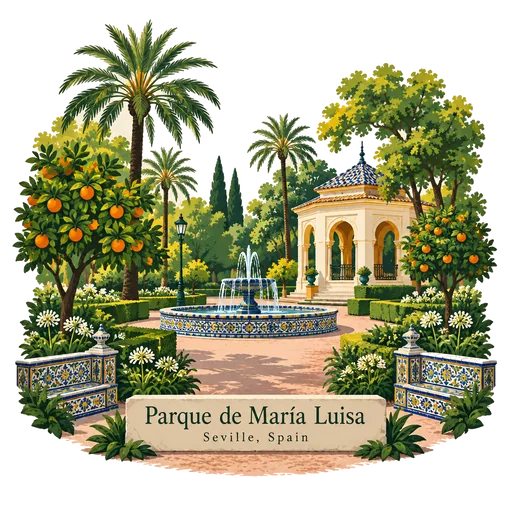
Parque de María Luisa
Seville's principal green area, stretching along the Guadalquivir River. Fountains, pavilions and shaded paths fill the park, which sits beside the Plaza de España. It is a favourite place for walks, bicycle rides and horse carriage tours.
-
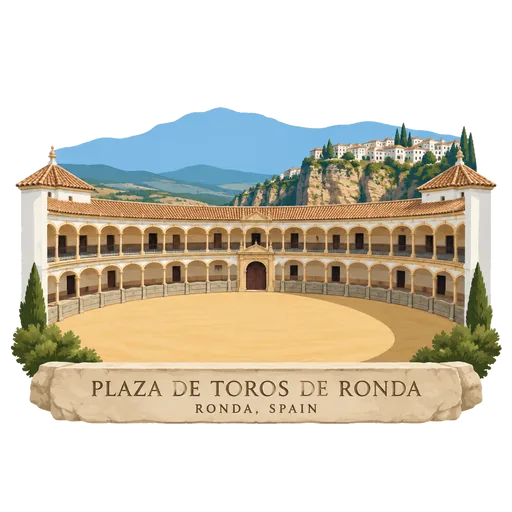
Plaza de Toros de Ronda
A bullring in Ronda with a diameter of 66 metres, surrounded by a passage formed by two rings of stone. It has two layers of seating and 136 pillars forming 68 arches. A museum inside tells the history of bullfighting.
-
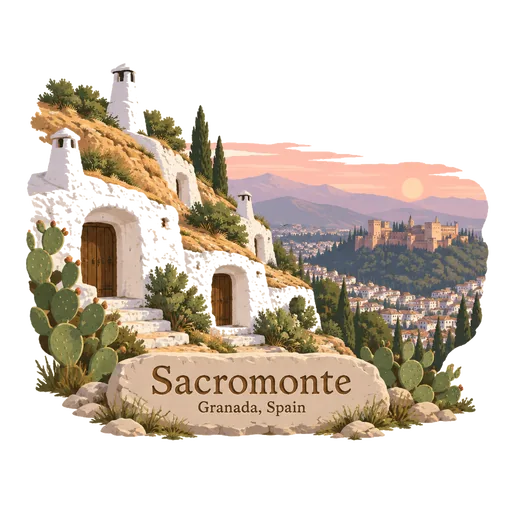
Sacromonte
A traditional neighbourhood in the eastern part of Granada, one of the six neighbourhoods that make up the Albayzín district. It borders the Albaicín and is known for its whitewashed cave homes dug into the hillside. Flamenco shows are held in some of the caves.

Collecting in Andalusia
What are the best places to visit in Andalusia?
LOQAH lists 38 places in Andalusia. The best known include Albaicín, Alcázar de los Reyes Cristianos, Alhambra, Antequera Dolmens and Archivo General de Indias. Each has a stamp of its own to collect when you are there.
How many LOQAH stamps are there in Andalusia?
38, and more are added over time. Each place has LOQAH's carefully crafted stamp of its own.
How do I collect a stamp in Andalusia?
Open LOQAH at the place and get its stamp. LOQAH checks where you are once, at that moment; at the place itself the stamp is confirmed on site, with a gold badge.
I have been to places in Andalusia before. Can I add them?
Yes. In Earlier trips, choose Andalusia and swipe through its stamps, or import your Google Timeline. Each one goes into your volume with the date, if you know it.
More in Spain
Collect your first stamp.
LOQAH is free on iPhone and Android, in India and 40 more countries, with more countries on the way. Stand at a place, collect its stamp, and keep every trip in a passport that grows.