

Places to visit in Prague, Czechia
56 places to visit in Prague, Czechia, each with LOQAH's carefully crafted stamp of its own: Bethlehem Chapel, Charles Bridge, Church of St Nicholas, Old Town and more. Stand at any of them with the app open and the stamp is yours, confirmed on site, in your Prague volume.
11 UNESCO World Heritage sites · 14 Famous places to visit · 31 Hidden gems
UNESCO World Heritage sites in Prague (11)
-
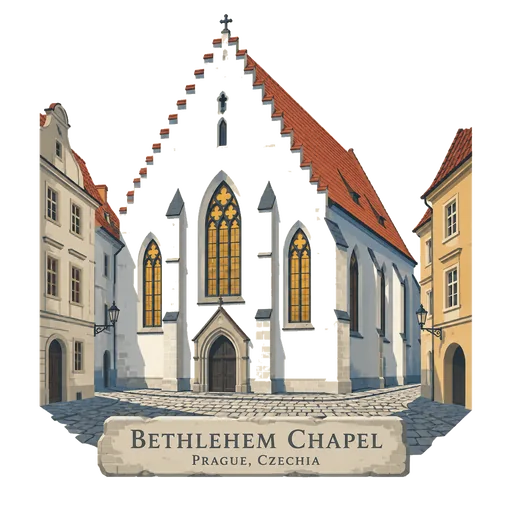
Bethlehem Chapel
A reconstructed Gothic style chapel in the Old Town, founded in 1391 for sermons in Czech. The reformer Jan Hus preached here from 1402, and it became a cradle of the Bohemian Reformation.
-
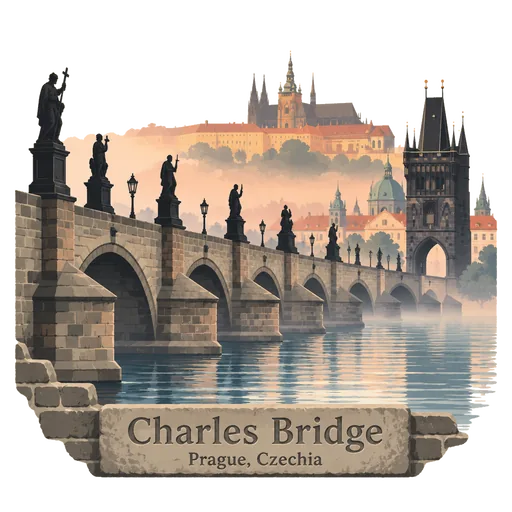
Charles Bridge
A medieval stone arch bridge across the Vltava, begun in 1357 under King Charles IV. It is closed to traffic and lined with Baroque statues, and links the Old Town with the Lesser Town beneath Prague Castle.
-
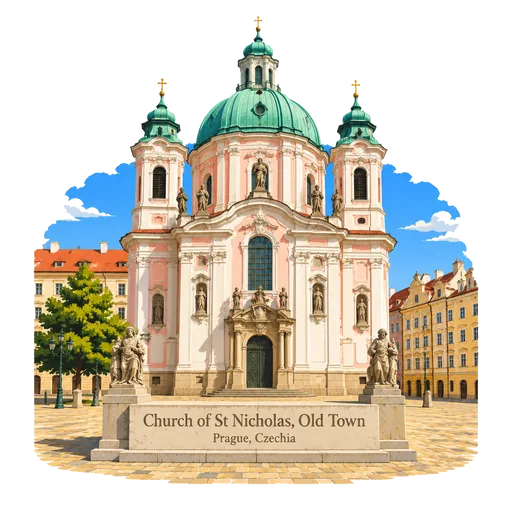
Church of St Nicholas, Old Town
A Baroque church on Old Town Square, built in the 1730s by Kilian Ignaz Dientzenhofer on the site of a Gothic church. Its white facade and crystal chandeliers make it a popular concert venue.
-
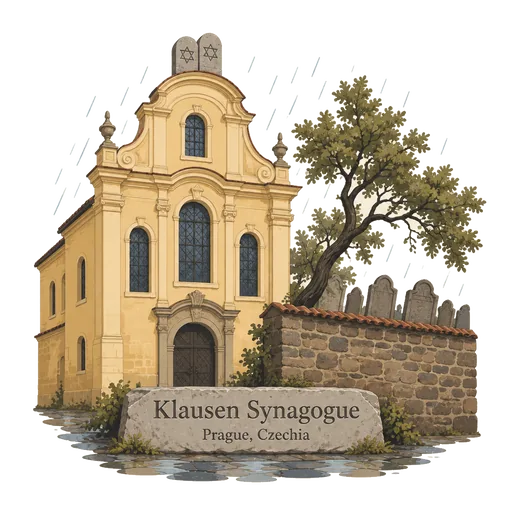
Klausen Synagogue
A former synagogue in the Jewish Town of Prague, near the Old Jewish Cemetery. The present Baroque building dates from the late 1600s, and it is now part of the Jewish Museum, with exhibitions on Jewish customs and traditions.
-
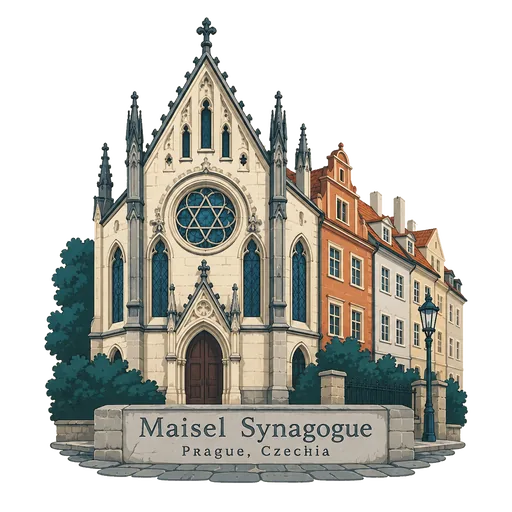
Maisel Synagogue
A synagogue in the Jewish Quarter, founded at the end of the 16th century by the mayor Mordechai Maisel and later rebuilt in neo Gothic style. It now holds an exhibition of Jewish history in the Czech lands.
-
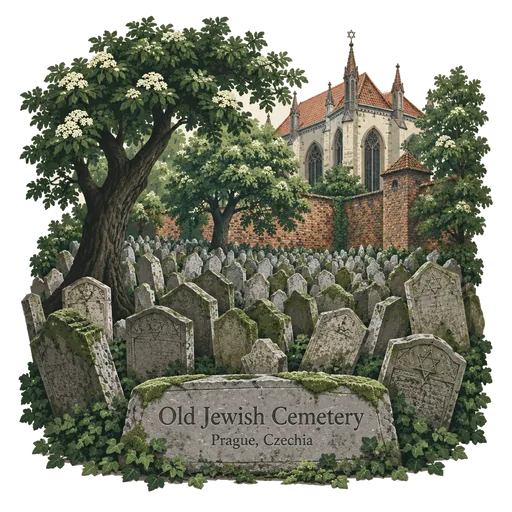
Old Jewish Cemetery
A crowded burial ground in Josefov used from the 15th to the 18th century. Thousands of gravestones stand layered in a small space, and the oldest known one dates from 1439. Rabbi Loew is buried here.
-
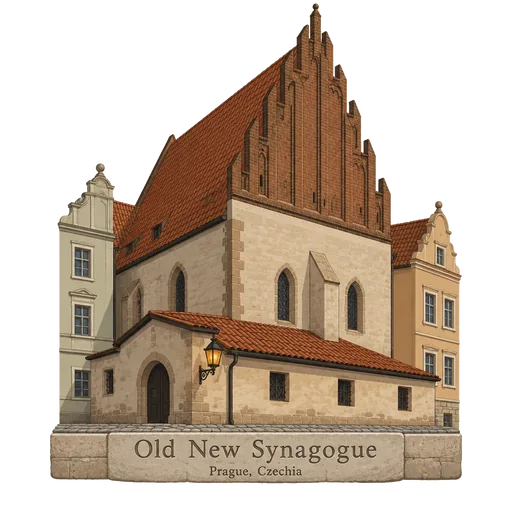
Old New Synagogue
A Gothic synagogue in Josefov built around 1270, and the oldest active synagogue in Europe. Legend says that the clay body of the Golem, made by Rabbi Loew, lies hidden in its attic.
-
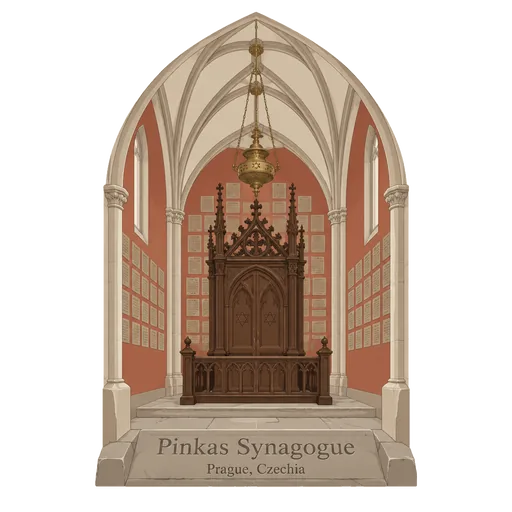
Pinkas Synagogue
A Gothic synagogue at Široká 3 in Prague's Jewish Town, completed in 1535 and the second oldest surviving synagogue in the city. Its walls are inscribed with the names of Czech and Moravian Jews murdered in the Holocaust, and it is now part of the Jewish Museum.
-
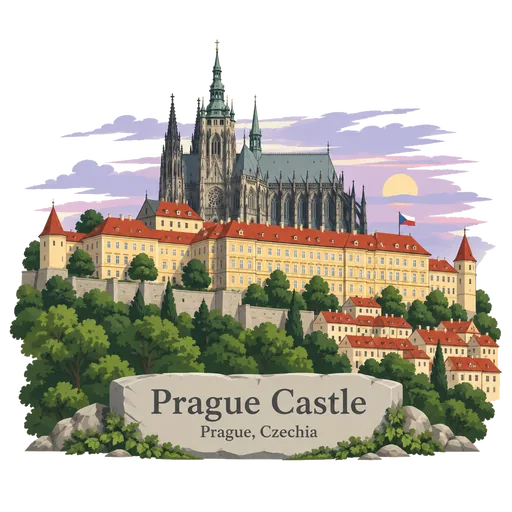
Prague Castle
A castle complex above the Vltava River in Prague, begun in the 9th century and still the official seat of the Czech president. Within its walls stand St. Vitus Cathedral, the Old Royal Palace and Golden Lane, and it is among the largest ancient castle complexes in the world.
-
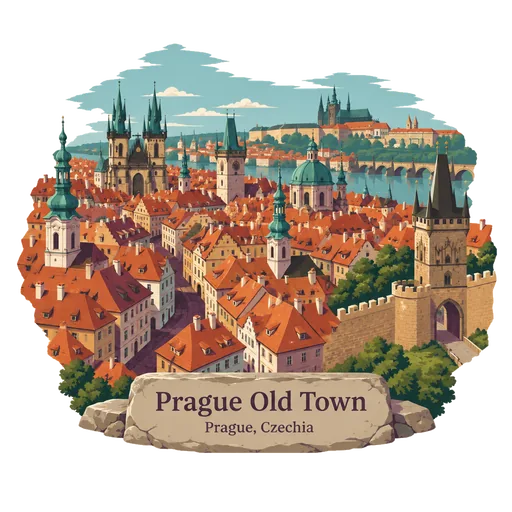
Prague Old Town
The medieval core of Prague on the right bank of the Vltava, once ringed by a moat and wall. Its tangle of lanes, Gothic churches and Baroque houses leads to Old Town Square, and the district forms part of the UNESCO listed historic centre.
-
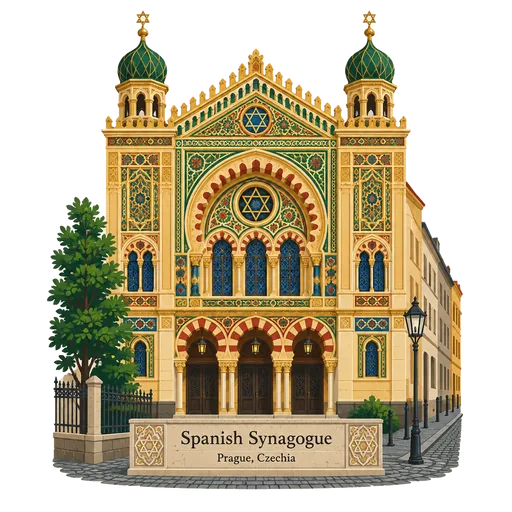
Spanish Synagogue
A synagogue in the Jewish Quarter of Prague, completed in 1868 in a Moorish style. Its interior is covered with gilded geometric patterns, and it is now part of the Jewish Museum.
Famous places to visit in Prague (14)
-
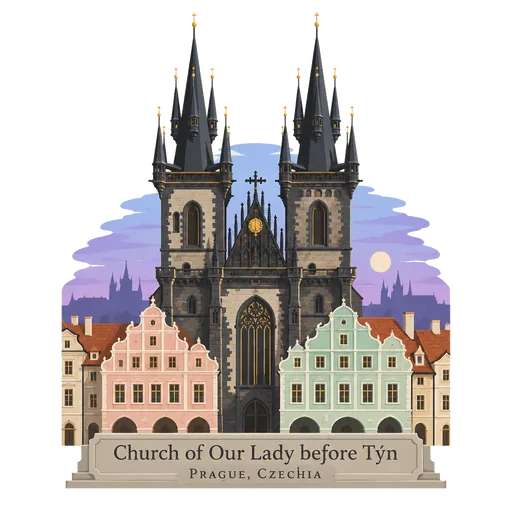
Church of Our Lady before Týn
A Gothic church whose two tall spires dominate the skyline above Old Town Square. It was the main church of the Hussites in the 15th century and contains the tomb of the astronomer Tycho Brahe.
-
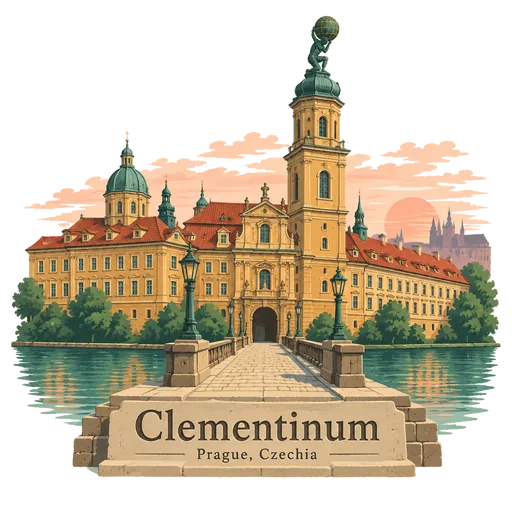
Clementinum
A vast complex of Jesuit buildings beside Charles Bridge, begun in the 16th century. It houses the National Library, the richly frescoed Baroque Library Hall and an astronomical tower used for weather and time observations.
-
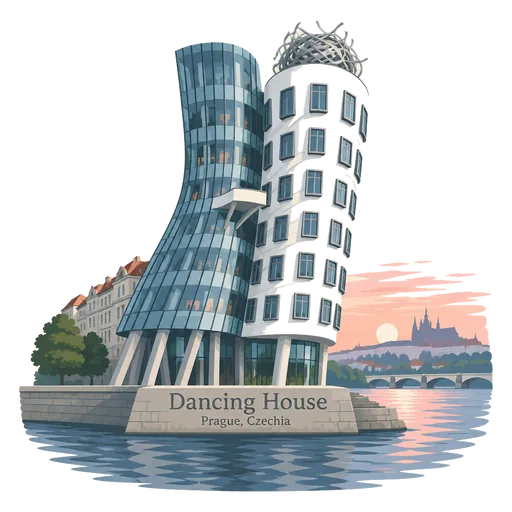
Dancing House
An office building on the Vltava embankment designed by Vlado Milunić with Frank Gehry and completed in 1996. Its two curving towers resemble a pair of dancers, which gave it the nickname Ginger and Fred.
-
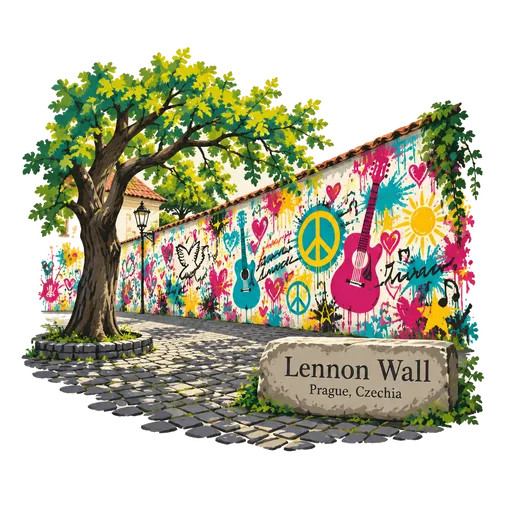
Lennon Wall
A wall on Velkopřevorské Square in the Lesser Town, covered in graffiti, song lyrics and messages of peace. It began after John Lennon was killed in 1980, when young Czechs wrote on it as a quiet protest against the communist regime.
-
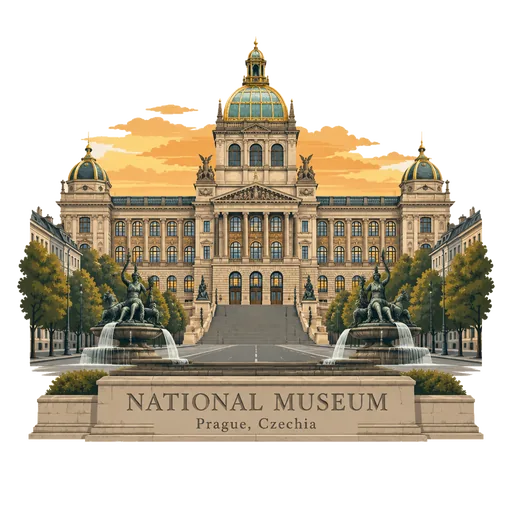
National Museum
The principal museum of the Czech Republic, housed in a neo Renaissance building that closes the top of Wenceslas Square. It opened in 1891 and holds natural history, archaeology and historical collections.
-
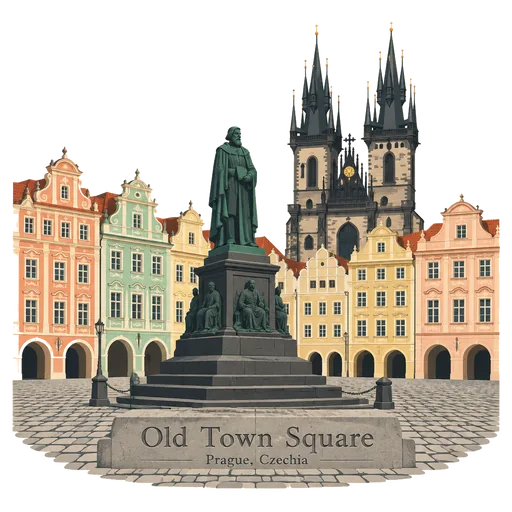
Old Town Square
The main square of Prague's Old Town, ringed by Gothic and Baroque buildings. It holds the Old Town Hall with its astronomical clock, the twin spired Týn Church and a memorial to the reformer Jan Hus.
-
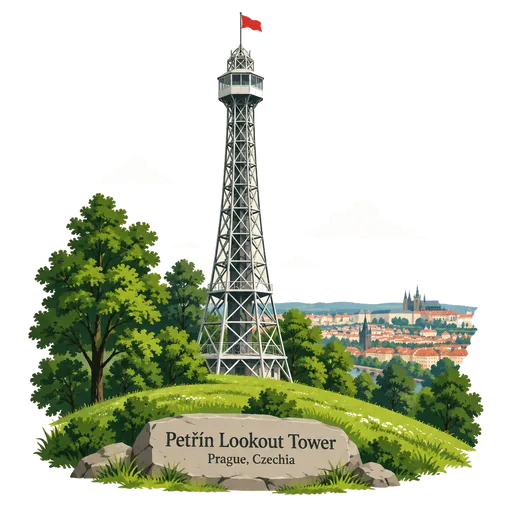
Petřín Lookout Tower
A steel framework tower 63.5 metres tall on Petřín Hill, built in 1891. It resembles the Eiffel Tower and served as both an observation and a transmission tower. Visitors climb its stairs for views over the rooftops and river of Prague.
-
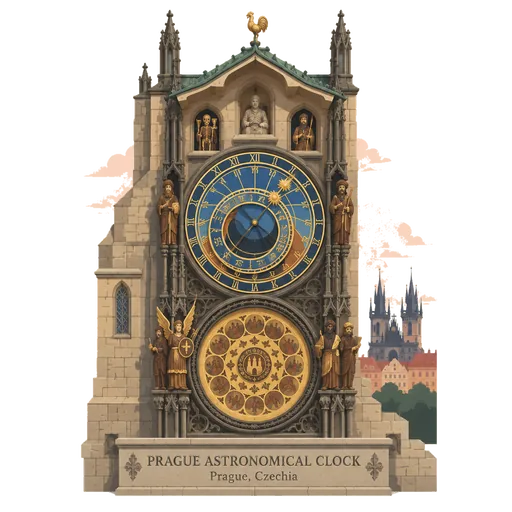
Prague Astronomical Clock
A medieval astronomical clock on the Old Town Hall, first installed in 1410. Every hour crowds gather to watch the figures of the Apostles pass in procession above the dials, which show the positions of the sun and moon.
-
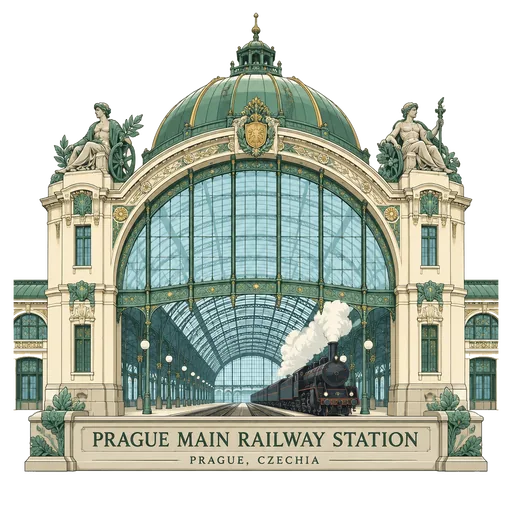
Prague Main Railway Station
The largest railway station in Prague, opened in 1871 as Franz Josef Station. Its Art Nouveau entrance hall by Josef Fanta was added in the early 1900s and is worth a look even without a train to catch.
-
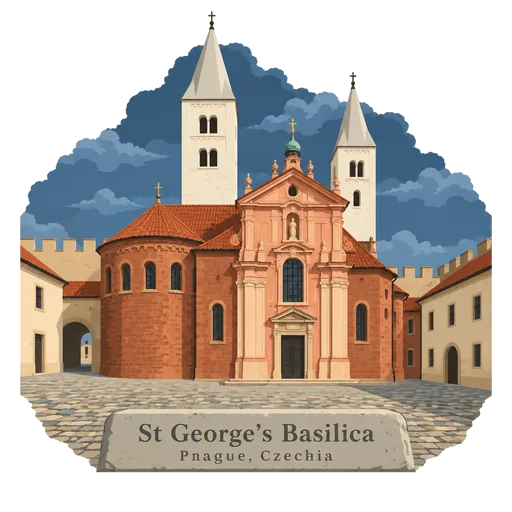
St George's Basilica
The oldest surviving church in Prague Castle, founded in 920 by Vratislaus I. Its twin towers and red Romanesque facade hide a plain interior, and it now serves as an exhibition space for the National Gallery.
-
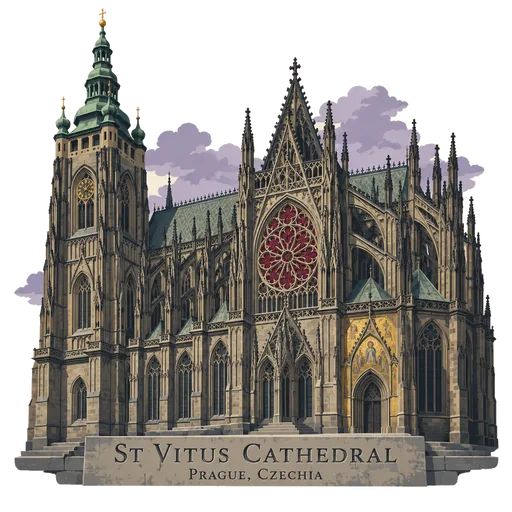
St Vitus Cathedral
The Gothic cathedral inside Prague Castle and the seat of the Archbishop of Prague. Building began in 1344 and was only completed in 1929, and it holds the tomb of St Wenceslas and the Bohemian crown jewels.
-
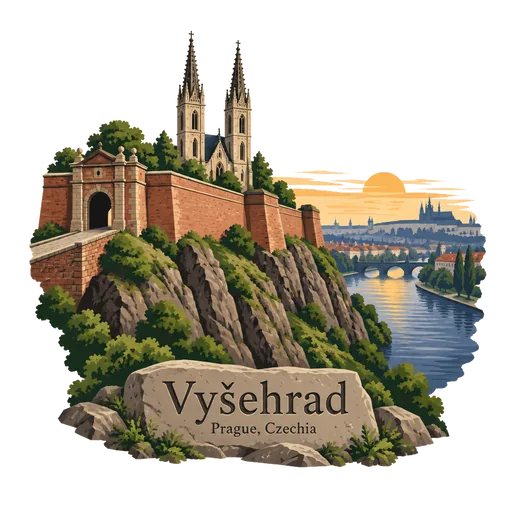
Vyšehrad
A historic fort on a rocky height above the Vltava, just over 3 km southeast of Prague Castle and likely founded in the 10th century. Inside are the Basilica of Saints Peter and Paul and the Vyšehrad Cemetery, where Dvořák and Smetana are buried.
-
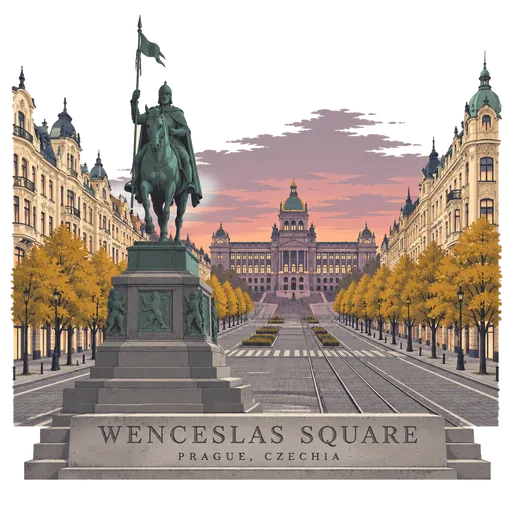
Wenceslas Square
A long boulevard in Prague's New Town, laid out in the 14th century as a horse market and now a centre of shops and hotels. The National Museum stands at the top beneath a statue of St Wenceslas, and many national events have unfolded here.
-
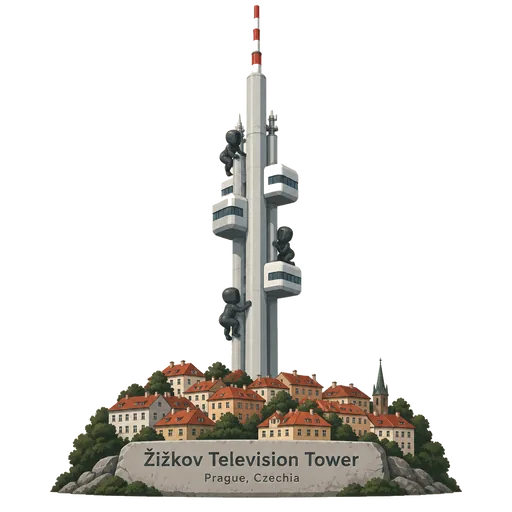
Žižkov Television Tower
A transmitter tower built in Prague between 1985 and 1992, designed by architect Václav Aulický and engineer Jiří Kozák. It rises high above the city's traditional skyline from a hill in Žižkov, with an observation deck and large crawling baby sculptures on its shafts.
Hidden gems in Prague (31)
-
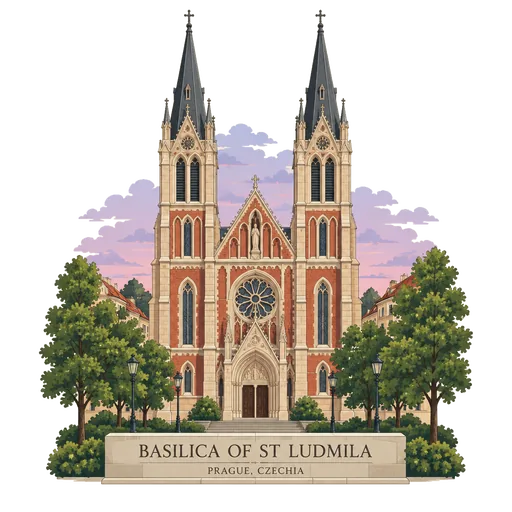
Basilica of St Ludmila
A neo Gothic church on Náměstí Míru in Vinohrady, completed in the 1890s to designs by Josef Mocker. Its twin towers and rich portal overlook the square, and it is dedicated to the grandmother of St Wenceslas.
-
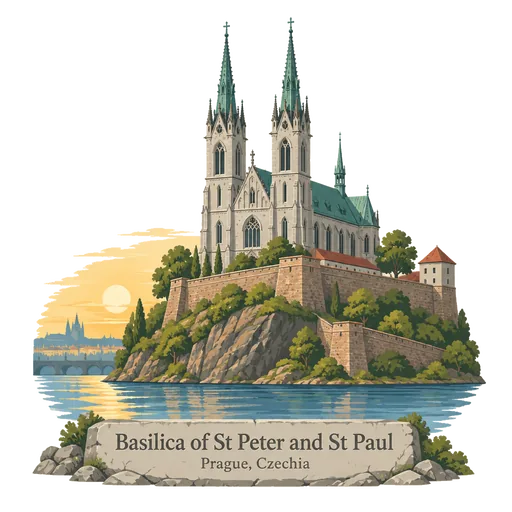
Basilica of St Peter and St Paul
A neo Gothic church in the Vyšehrad fortress, with two tall twin towers added in the late 1900s. Inside are colourful Art Nouveau style wall paintings, and the grounds include the National Cemetery.
-
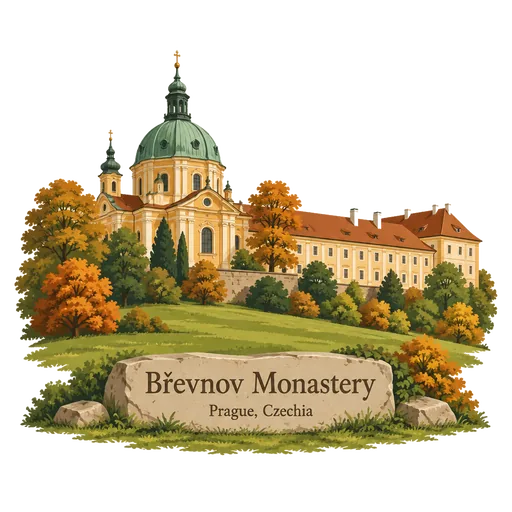
Břevnov Monastery
A Benedictine archabbey founded in 993 by Bishop Adalbert, the oldest male monastery in Bohemia. Its Baroque church and old brewing tradition draw visitors to the quiet Břevnov district on the western side of Prague.
-
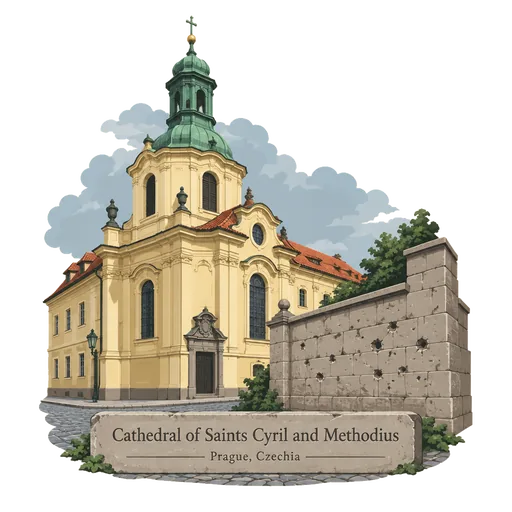
Cathedral of Saints Cyril and Methodius
The main Orthodox church of the Czech lands, in Resslova Street in the New Town. In 1942 the parachutists who killed Reinhard Heydrich hid in its crypt, and a memorial to them stands there today.
-
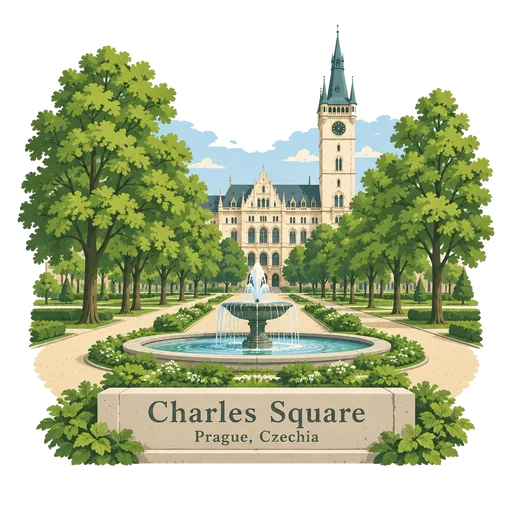
Charles Square
A large park square in the New Town, laid out by Charles IV in 1348 as a cattle market. It is among the biggest city squares in Europe and is lined by the New Town Hall and a Baroque church.
-
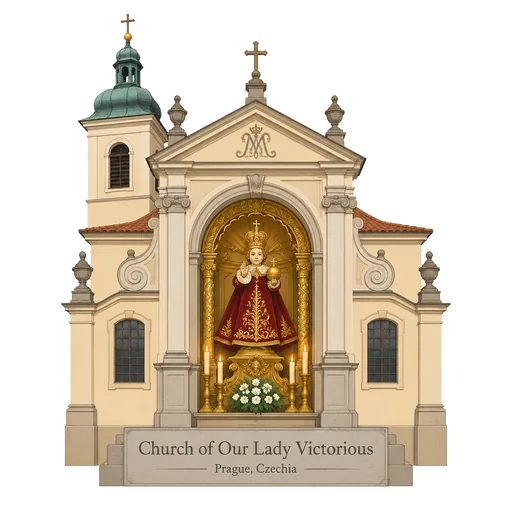
Church of Our Lady Victorious
An early Baroque church in the Lesser Town that holds the Infant Jesus of Prague, a wax coated wooden statue of Spanish origin. Pilgrims visit it from all over the world, and a small museum shows its collection of robes.
-
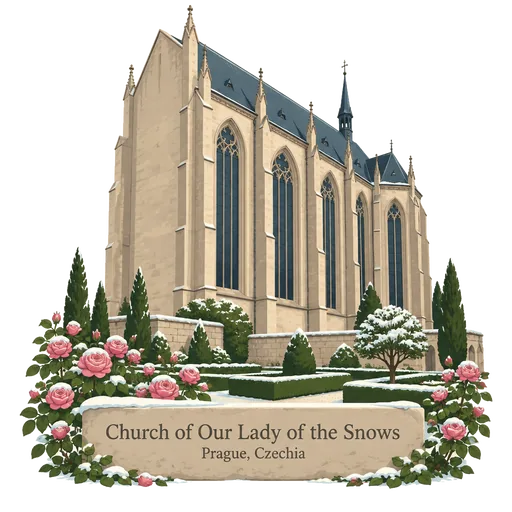
Church of Our Lady of the Snows
A Gothic church near Jungmann Square, founded in 1347 by Charles IV. Only the high chancel was ever finished, rising some 34 metres, which makes it one of the tallest church interiors in Prague.
-
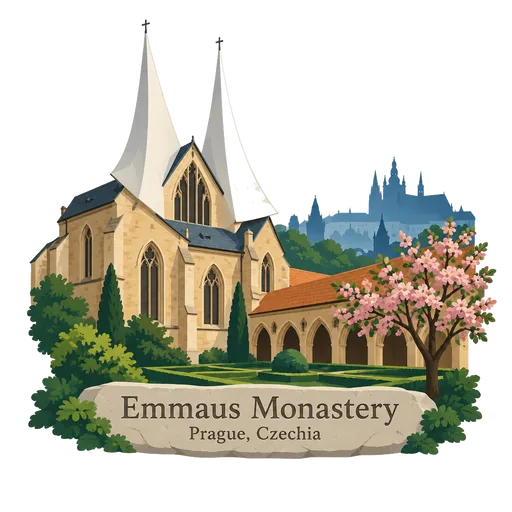
Emmaus Monastery
A Benedictine abbey established in 1347 in Prague, known in the Middle Ages as Na Slovanech. Founded by Charles IV, it is known for its church with two modern concrete spires added after bomb damage in 1945, and for its Gothic cloister.
-
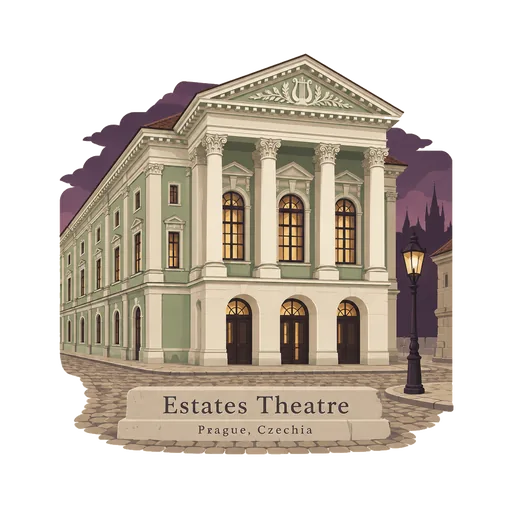
Estates Theatre
A neoclassical theatre in Prague's Old Town, opened in 1783 and still in use today for opera, drama and ballet. Mozart's opera Don Giovanni had its world premiere here in 1787 under the composer's own direction.
-
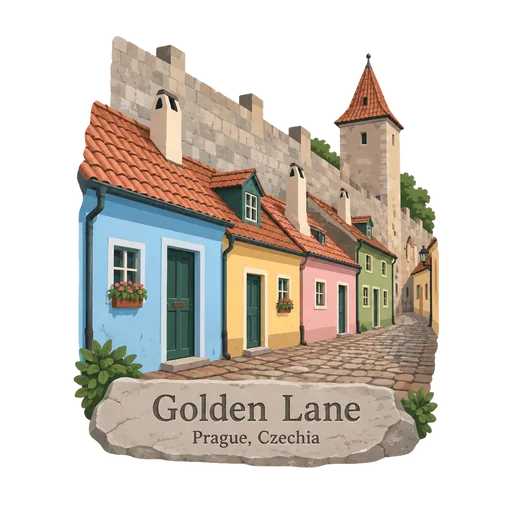
Golden Lane
A narrow lane of tiny coloured houses inside Prague Castle, built in the 16th century for Rudolf II's castle guards. Later goldsmiths and other craftsmen lived here, and the writer Franz Kafka is said to have worked in one house.
-
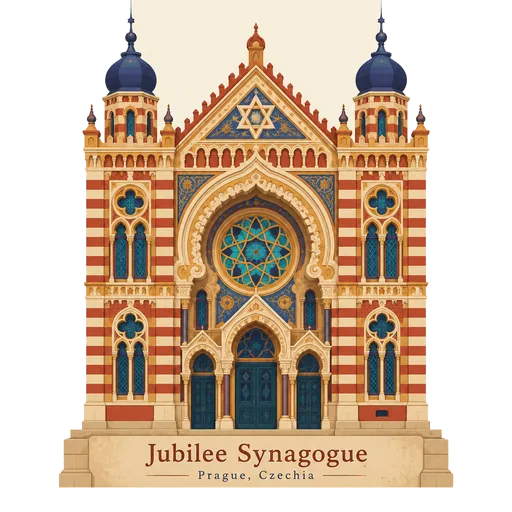
Jubilee Synagogue
An active synagogue in Jerusalem Street in the New Town, built in 1906 in a Moorish style. Its colourful facade with stripes and a large rose window marks it out from the older synagogues of Josefov.
-
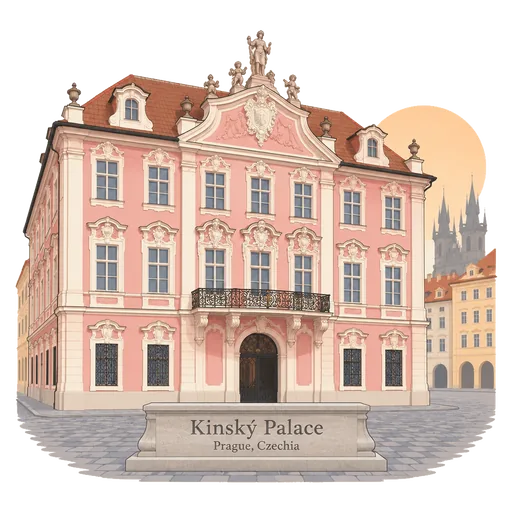
Kinský Palace
A Rococo palace on Old Town Square with a pink and white facade, built in the 1700s. It houses a gallery of the National Gallery, and the writer Franz Kafka attended school in the building.
-
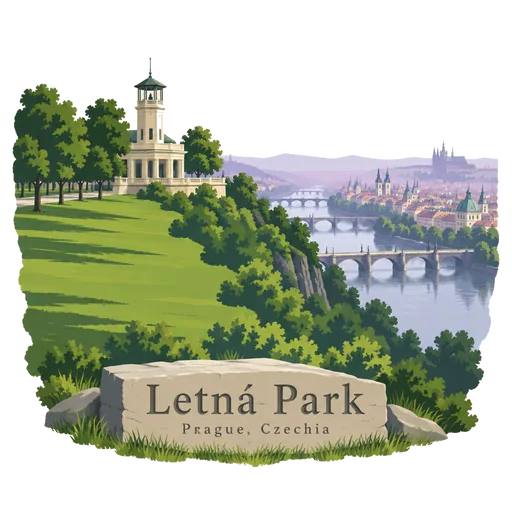
Letná Park
A park on Letná hill, on a plateau above steep embankments along the Vltava River. Its elevation gives commanding views of the Prague Old Town and the bridges below, and it is a popular place for walks and an open air beer garden.
-
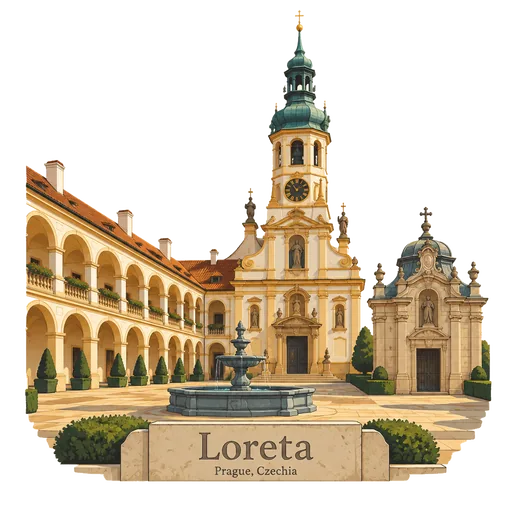
Loreta
A Baroque pilgrimage complex in Hradčany, built around a replica of the Holy House of Loreto from 1626. Its cloister and treasury hold a monstrance set with thousands of diamonds, and the clock tower plays a carillon.
-
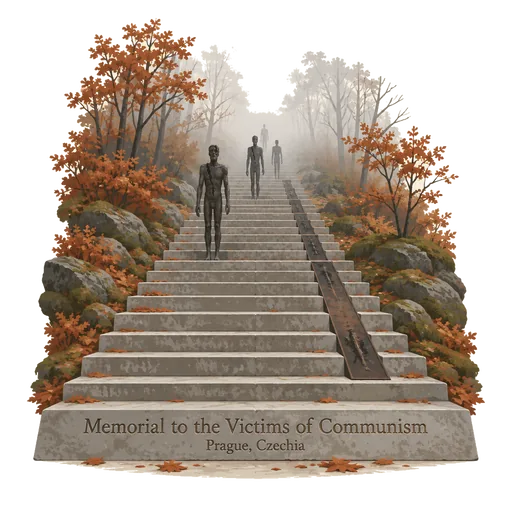
Memorial to the Victims of Communism
A series of bronze figures descending a flight of steps on Petřín hill, made by the sculptor Olbram Zoubek and unveiled in 2002. The figures grow more worn and broken as they go down, and mark those who suffered under communism.
-
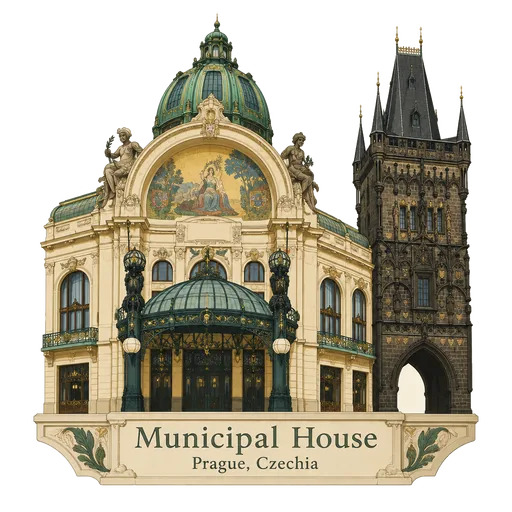
Municipal House
An Art Nouveau civic building beside the Powder Tower, opened in 1912. It houses Smetana Hall, home of the Prague Symphony Orchestra, along with cafes, a restaurant and decoration by Alfons Mucha.
-
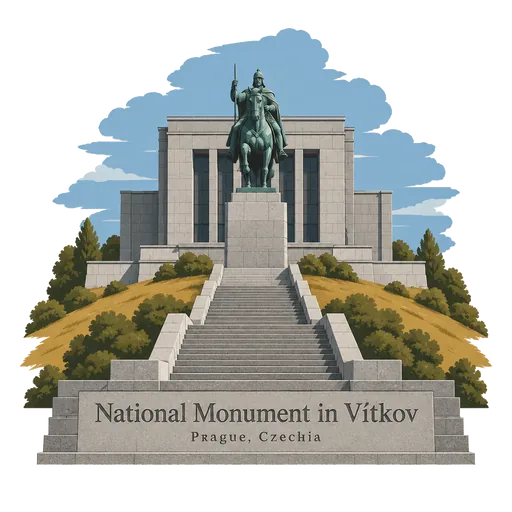
National Monument in Vítkov
A monument on top of Vítkov Hill in Prague's Žižkov district, among the most important buildings commemorating Czech statehood. It stands beside a large bronze equestrian statue of the Hussite commander Jan Žižka and looks out across the city.
-
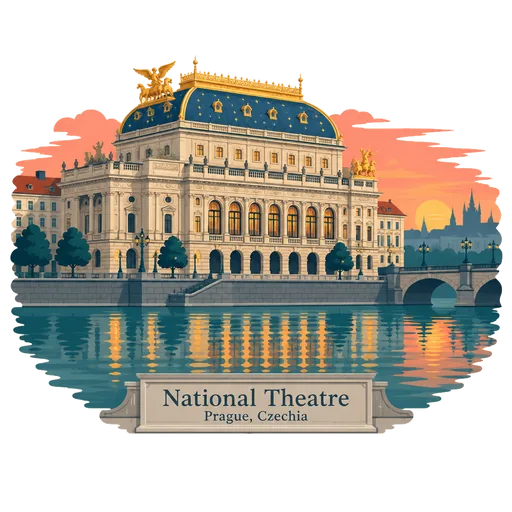
National Theatre
A neo Renaissance opera house on the Vltava embankment, paid for by public donations and opened in 1881. A fire destroyed it soon after, and it reopened in 1883. It is a symbol of Czech national revival.
-
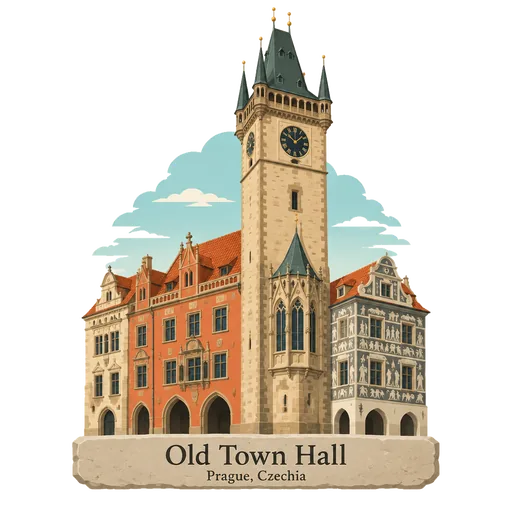
Old Town Hall
A complex of medieval buildings on Old Town Square, founded in 1338, with a tall tower and the astronomical clock on its wall. Visitors can climb the tower for views over the Old Town rooftops.
-
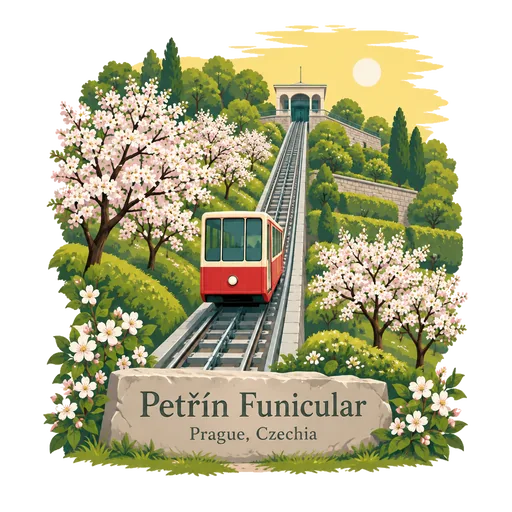
Petřín Funicular
A funicular railway running from the Lesser Town up to the top of Petřín hill, past gardens and orchards. It first opened in 1891 and is part of the city's public transport network, with three stations along the way.
-
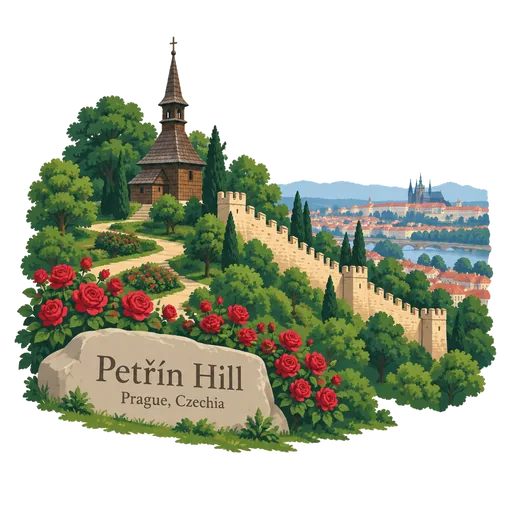
Petřín Hill
A wooded hill of 327 metres on the left bank of the Vltava, covered with gardens and orchards. The Petřín Lookout Tower, built in 1891 and modelled on the Eiffel Tower, gives views over Prague.
-
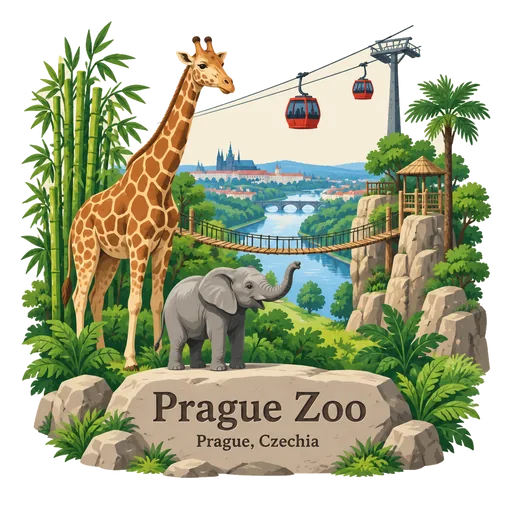
Prague Zoo
A zoological garden in the Troja district on a hillside above the Vltava, opened in 1931. It is known for its large collection of animals and for its work on breeding Przewalski's horses.
-
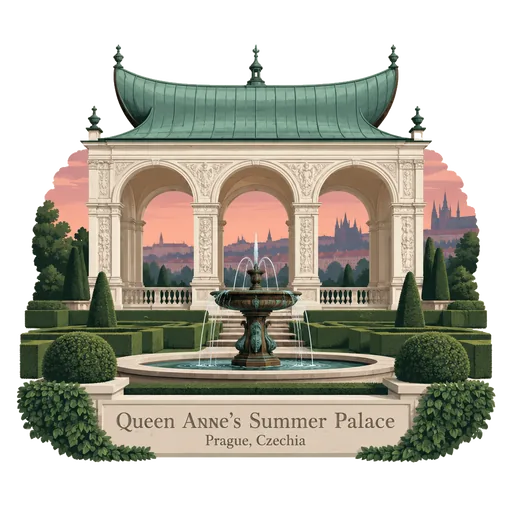
Queen Anne's Summer Palace
A Renaissance garden pavilion in the Royal Garden of Prague Castle, built in the mid 16th century for Ferdinand I. Surrounded by an arcade and topped with a copper roof like an upturned ship, it is regarded as a masterpiece of Italian Renaissance architecture north of the Alps.
-
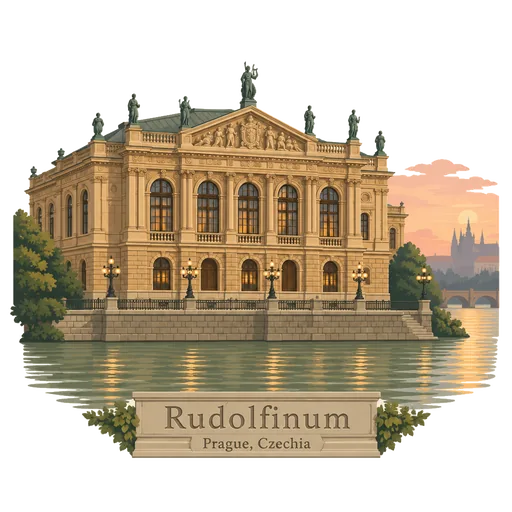
Rudolfinum
A neo Renaissance concert hall and gallery on the bank of the Vltava, opened in 1885 and named after Crown Prince Rudolf. It is the home of the Czech Philharmonic, whose main venue is the Dvořák Hall.
-
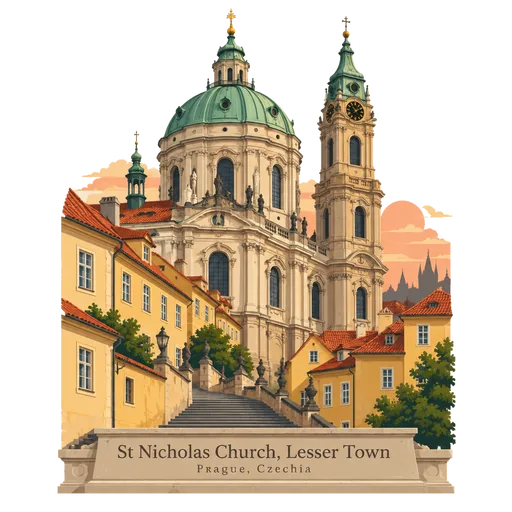
St Nicholas Church, Lesser Town
A Baroque church in the Lesser Town, built between 1704 and 1755 on the site of an earlier Gothic church. Its green dome and bell tower shape the Prague skyline, and its interior is rich with frescoes and statues.
-
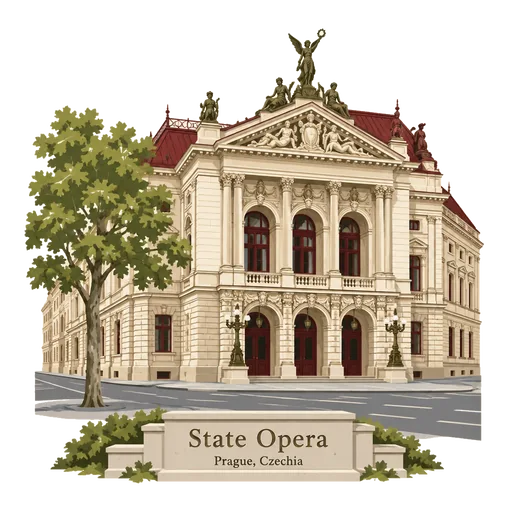
State Opera
A neo Renaissance opera house near the main railway station, opened in 1888 as the New German Theatre. It is part of the National Theatre and stages mostly Italian and Czech repertoire.
-
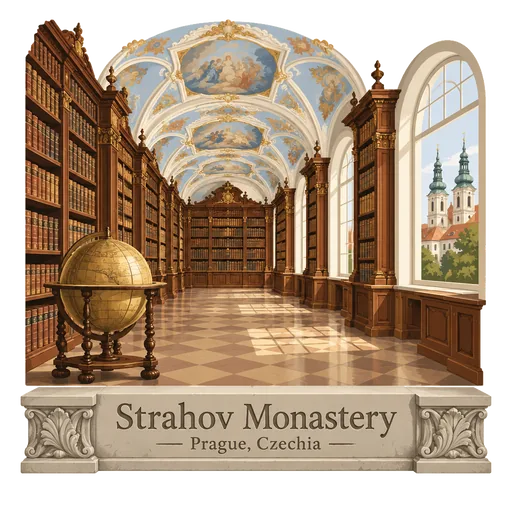
Strahov Monastery
A Premonstratensian abbey on Petřín hill above Prague Castle, founded in 1143. It is known for its library, with the ornate Theological Hall and Philosophical Hall, and for a brewery that serves beer on site.
-
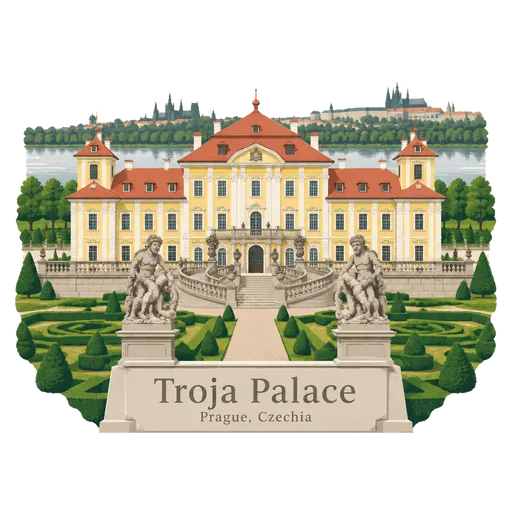
Troja Palace
A Baroque palace on the bank of the Vltava, built for the Counts of Sternberg between 1679 and 1691. It has painted halls and formal gardens, and now serves as a gallery of the City of Prague.
-
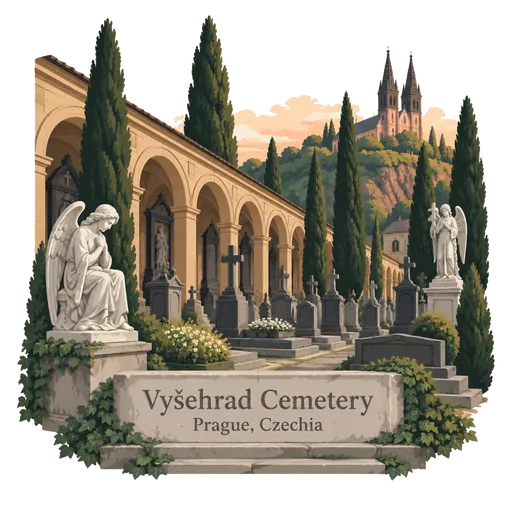
Vyšehrad Cemetery
The national cemetery within the Vyšehrad fortress, converted into a burial place of honour in 1869. Composers Bedřich Smetana and Antonín Dvořák, the writer Karel Čapek and the painter Alfons Mucha are buried here.
-
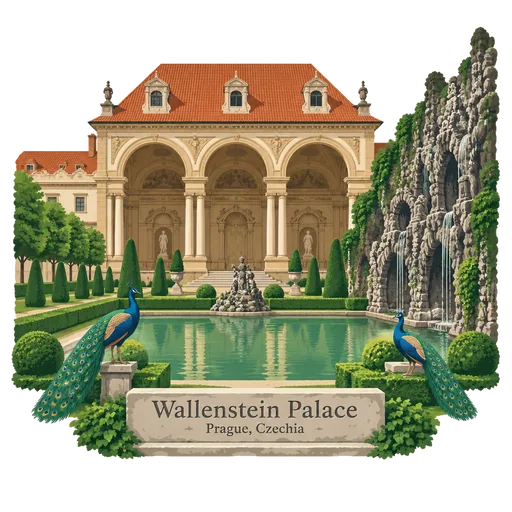
Wallenstein Palace
An early Baroque palace in the Lesser Town, built in the 1620s for the general Albrecht von Wallenstein. It now houses the Czech Senate, and its formal garden with a grotto wall is open to visitors.
-
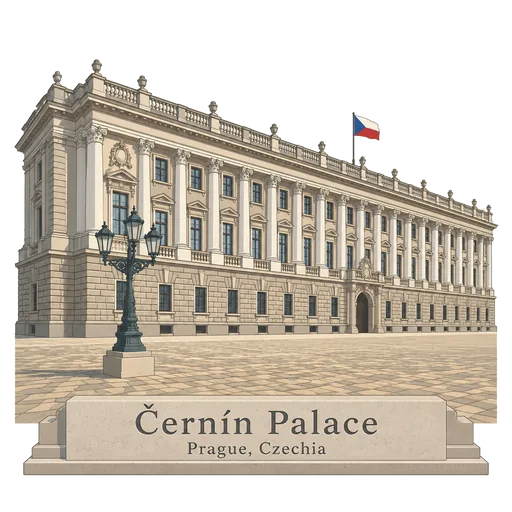
Černín Palace
The largest Baroque palace in Prague, with a long colonnaded facade facing Loreto Square in Hradčany. It houses the Czech foreign ministry, and Jan Masaryk was found dead beneath a window here in 1948.
Collecting in Prague
What are the best places to visit in Prague?
LOQAH lists 56 places in Prague. The best known include Bethlehem Chapel, Charles Bridge, Church of St Nicholas, Old Town, Klausen Synagogue and Maisel Synagogue. Each has a stamp of its own to collect when you are there.
How many LOQAH stamps are there in Prague?
56, and more are added over time. Each place has LOQAH's carefully crafted stamp of its own.
How do I collect a stamp in Prague?
Open LOQAH at the place and get its stamp. LOQAH checks where you are once, at that moment; at the place itself the stamp is confirmed on site, with a gold badge.
I have been to places in Prague before. Can I add them?
Yes. In Earlier trips, choose Prague and swipe through its stamps, or import your Google Timeline. Each one goes into your volume with the date, if you know it.
More in Czechia
Collect your first stamp.
LOQAH is free on iPhone and Android, in India and 40 more countries, with more countries on the way. Stand at a place, collect its stamp, and keep every trip in a passport that grows.