
Places to visit in Berlin, Germany
35 places to visit in Berlin, Germany, each with LOQAH's carefully crafted stamp of its own: Alte Nationalgalerie, Altes Museum, Bode Museum and more. Stand at any of them with the app open and the stamp is yours, confirmed on site, in your Berlin volume.
8 UNESCO World Heritage sites · 23 Famous places to visit · 4 Hidden gems
UNESCO World Heritage sites in Berlin (8)
-
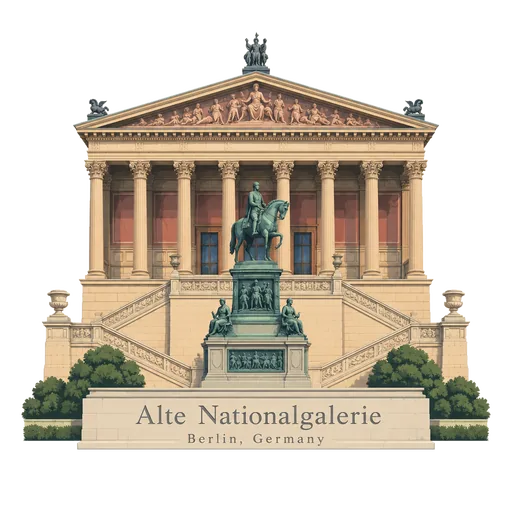
Alte Nationalgalerie
A museum on Museum Island in a temple like building of 1876, set on a high podium with a grand outdoor staircase. It shows 19th century painting and sculpture, including works by Caspar David Friedrich and Adolph Menzel.
-
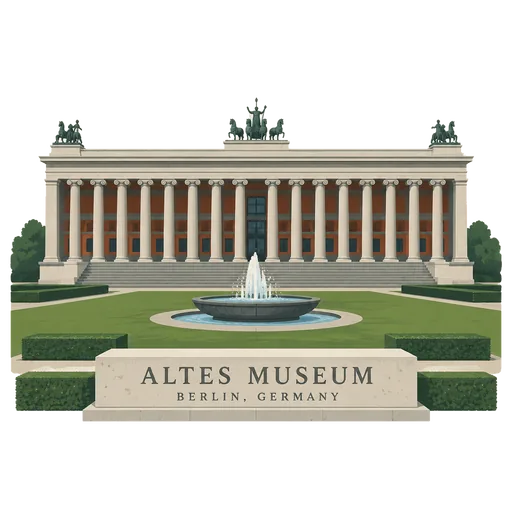
Altes Museum
A neoclassical museum on Museum Island in Berlin, designed by Karl Friedrich Schinkel and opened in 1830. Its front is a long row of Ionic columns facing the Lustgarten, and it now shows the antiquities collection of the Berlin State Museums.
-
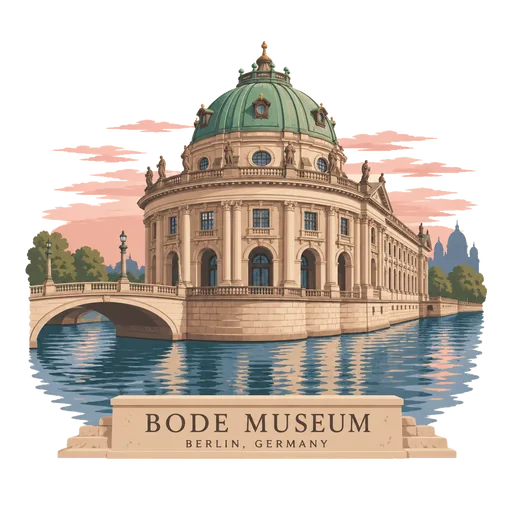
Bode Museum
A museum at the northern tip of Museum Island in Berlin, with a domed building of 1904 that rises straight from the water. It shows sculpture from late antiquity to the 18th century and a large coin collection.
-
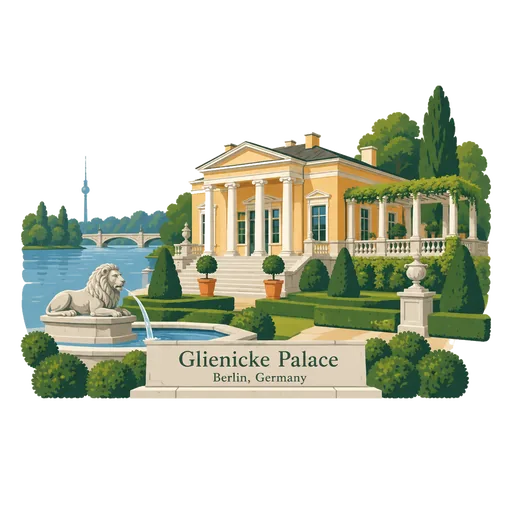
Glienicke Palace
A neoclassical palace on the Havel in Berlin-Wannsee, designed by Karl Friedrich Schinkel for Prince Carl of Prussia in the 1820s. It lies in a landscaped park designed by Peter Joseph Lenné, near the Glienicke Bridge.
-
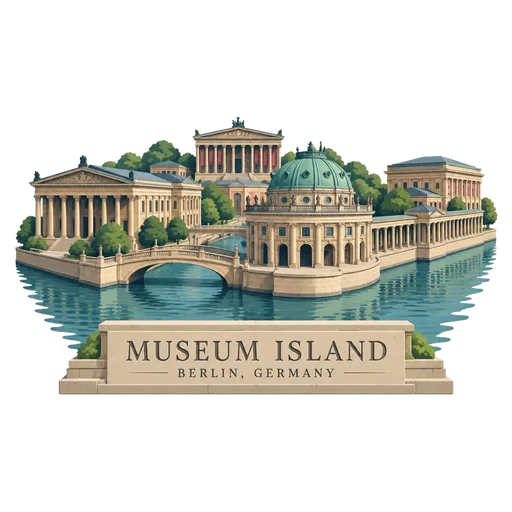
Museum Island
A complex of five museums on the northern tip of Spree Island in the historic heart of Berlin, built between 1830 and 1930. It holds collections from antiquity to the 19th century, and the whole ensemble is a UNESCO World Heritage Site.
-
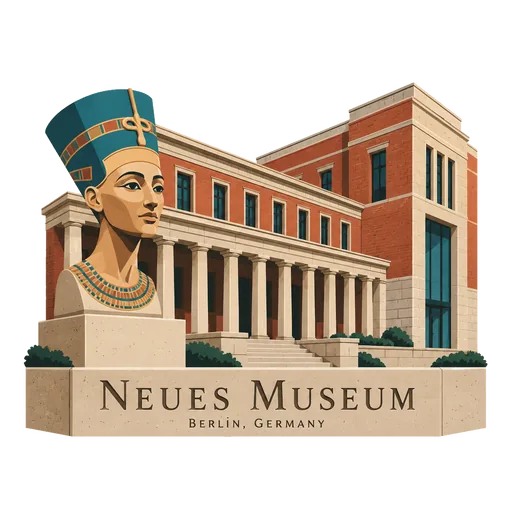
Neues Museum
A museum on Museum Island built from 1843 to 1855 and ruined in the war. David Chipperfield rebuilt it, and it reopened in 2009. It holds the bust of Queen Nefertiti and the Egyptian and prehistoric collections.
-
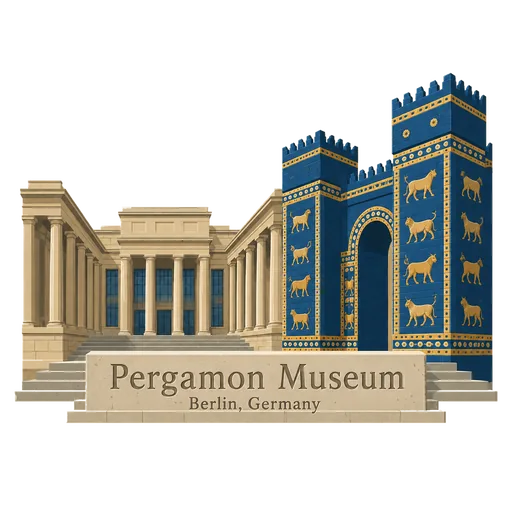
Pergamon Museum
A museum on Museum Island built from 1910 to 1930 around large reconstructions of ancient buildings. It holds the Ishtar Gate of Babylon, the Market Gate of Miletus and the Pergamon Altar, though parts have been closed for renovation.
-
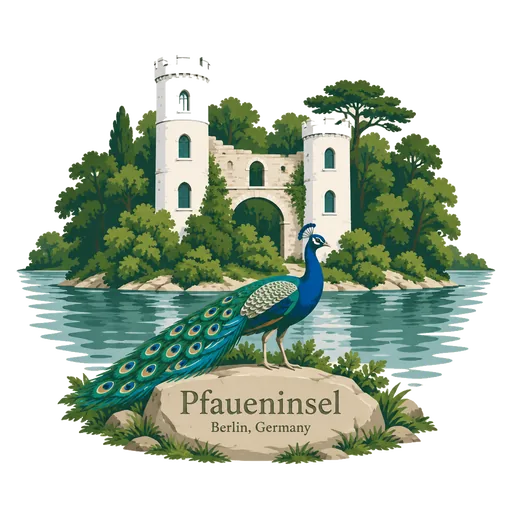
Pfaueninsel
An island in the River Havel in Berlin-Wannsee, reached by a short ferry. King Frederick William II had a small white castle built here in 1794, and peacocks still roam the landscaped grounds. It is part of the Potsdam and Berlin World Heritage Site.
Famous places to visit in Berlin (23)
-
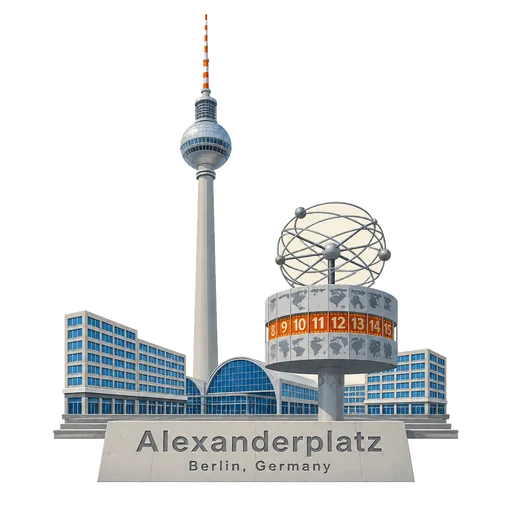
Alexanderplatz
A large public square and transport hub in the Mitte district of Berlin, named after Tsar Alexander I in 1805. It is overlooked by the Fernsehturm television tower, 368 metres high, and has a World Time Clock from 1969.
-
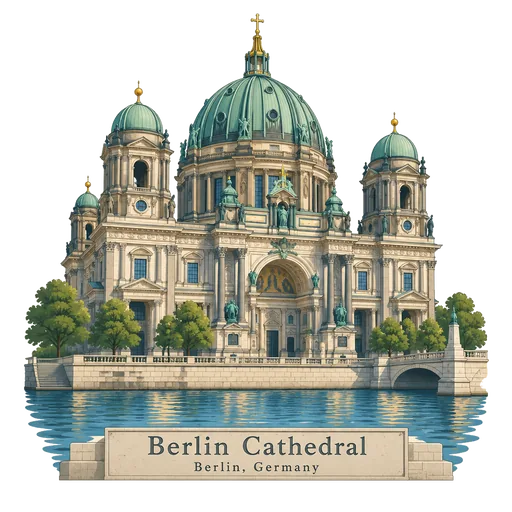
Berlin Cathedral
A large Protestant church on Museum Island facing the Lustgarten, completed in 1905 in a High Renaissance and Baroque style. Its green copper dome rises about 114 metres, and the crypt holds the tombs of the Hohenzollern family.
-
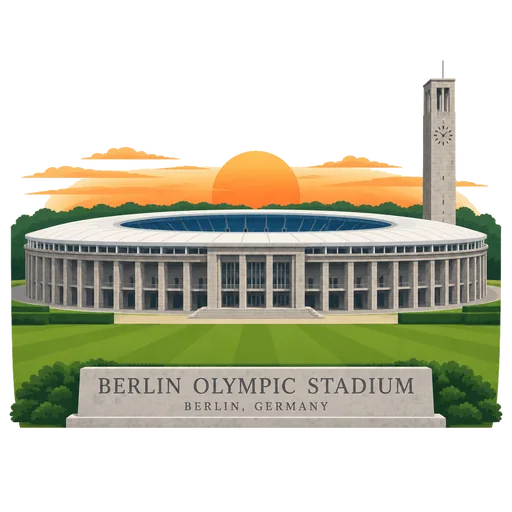
Berlin Olympic Stadium
A stadium in western Berlin built for the 1936 Summer Olympics and rebuilt with a roof for the 2006 World Cup. It holds about 74,000 people, hosts the German Cup final each year and is home to Hertha BSC.
-
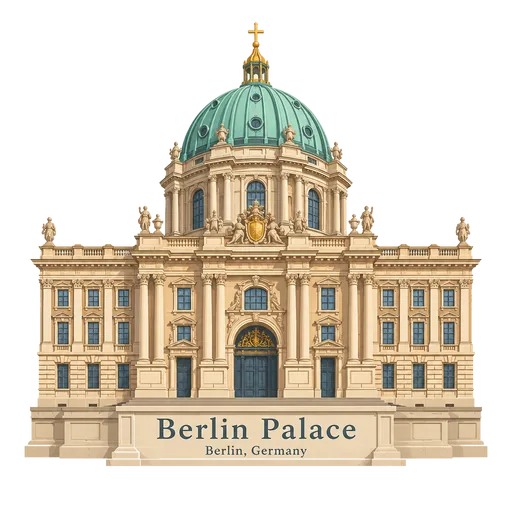
Berlin Palace
The former royal and imperial palace of Berlin beside Museum Island, badly damaged in the war and demolished in 1950. Its three Baroque facades were rebuilt and the palace reopened in 2020 as the Humboldt Forum, a museum and cultural centre.
-
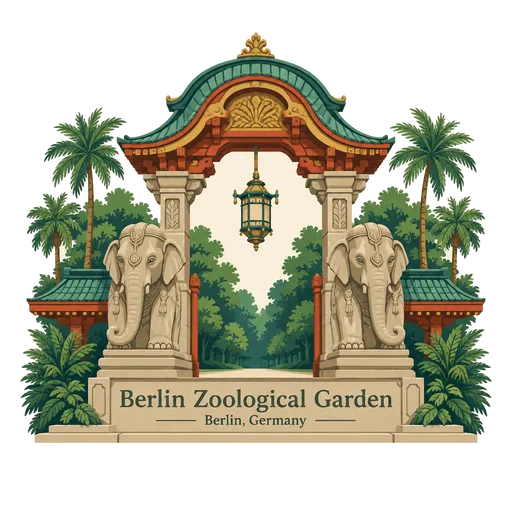
Berlin Zoological Garden
The oldest zoo in Germany, opened in 1844 in the Tiergarten in western Berlin. It keeps more species than any other zoo in the world, and has a famous aquarium and an elephant gate with Indian style architecture.
-
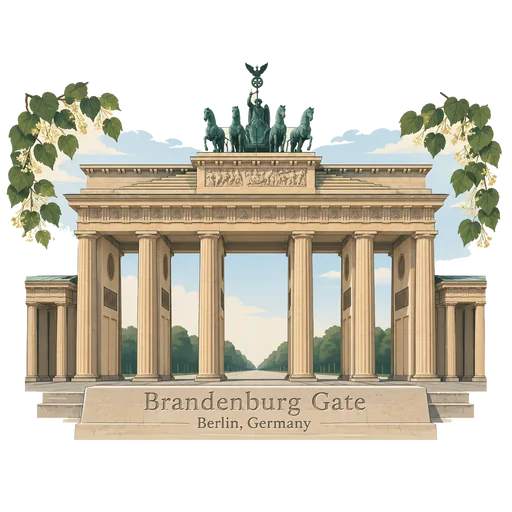
Brandenburg Gate
An 18th century neoclassical gate in central Berlin, built on the site of an older city gate that marked the start of the road to Brandenburg an der Havel. It stood beside the Berlin Wall for decades and is now one of Germany's best known landmarks.
-
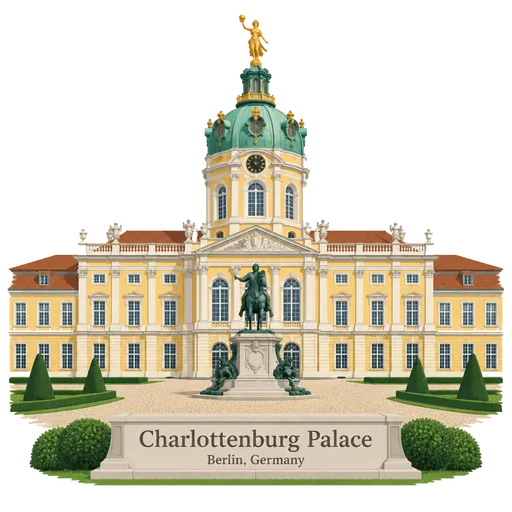
Charlottenburg Palace
A Baroque palace in western Berlin begun in 1695 as a summer home for Sophie Charlotte, the wife of the later King Frederick I. The dome is topped with a gilded statue of Fortuna, and the grounds hold a landscaped park.
-
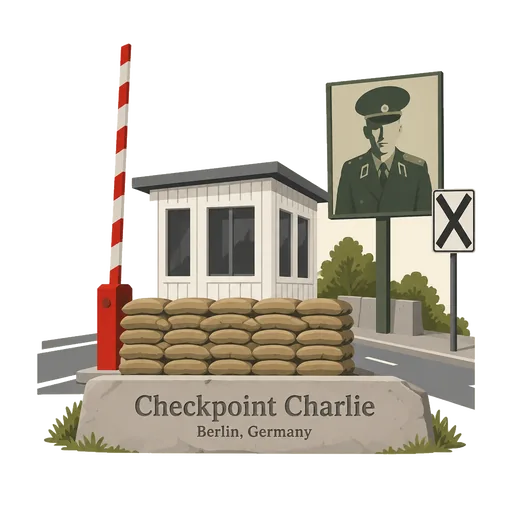
Checkpoint Charlie
The best known crossing point on the Berlin Wall, on Friedrichstrasse between the American and Soviet sectors. In October 1961 American and Soviet tanks faced each other here. A replica guard hut and an open air exhibition mark the spot today.
-
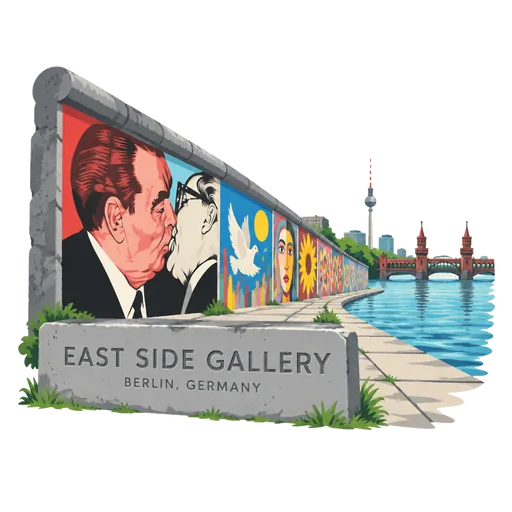
East Side Gallery
A 1.3 km stretch of the Berlin Wall along the Spree in Friedrichshain, painted by artists in 1990 after the border opened. It is the longest surviving section with art on it, including the famous Fraternal Kiss mural by Dmitri Vrubel.
-
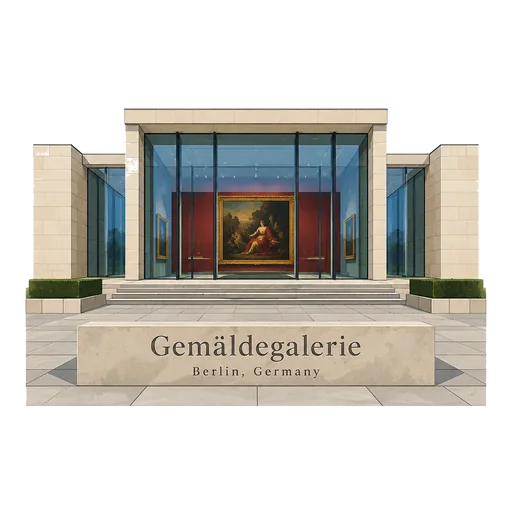
Gemäldegalerie
An art museum at the Kulturforum in Berlin that shows European painting of the 13th to 18th century, opened in its present building in 1998. Its collection includes works by Rembrandt, Vermeer, Caravaggio and Botticelli.
-
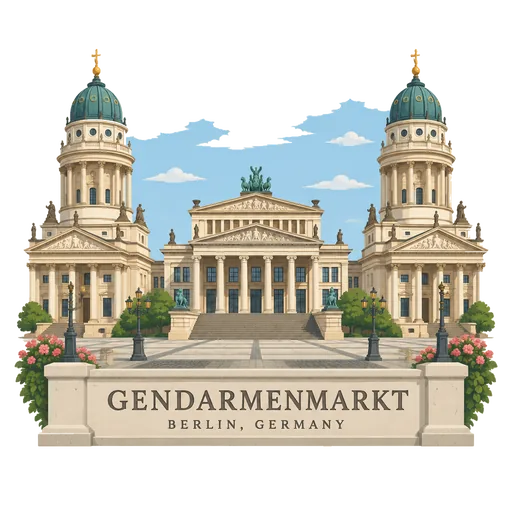
Gendarmenmarkt
A baroque square in Berlin's Mitte district, framed by the concert hall designed by Karl Friedrich Schinkel and the French and German Cathedrals with their domed towers. A Christmas market is held here each winter.
-
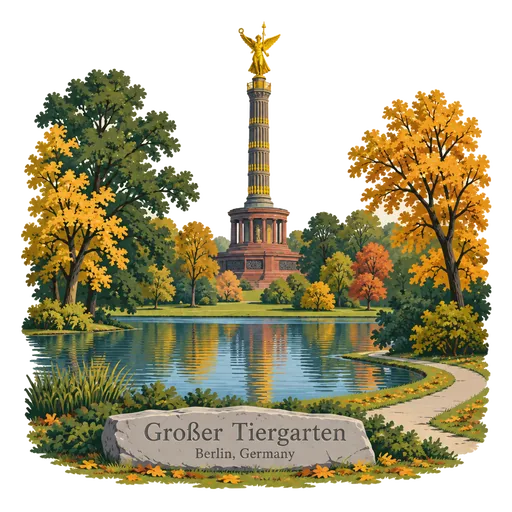
Großer Tiergarten
The large inner city park of Berlin, once a royal hunting ground and opened to the public in the 19th century. It covers about 210 hectares of lawns, lakes and woodland, and has the Victory Column and Bellevue Palace at its edge.
-
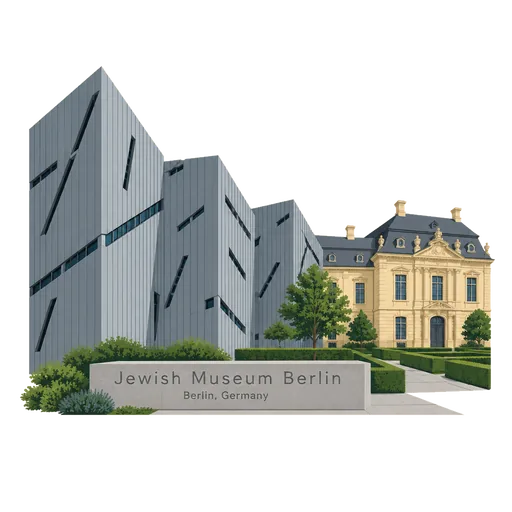
Jewish Museum Berlin
Opened in 2001, the largest Jewish museum in Europe. Across 3,500 square metres it presents the history of Jews in Germany from the Middle Ages to the present day. The zigzag building by the architect Daniel Libeskind stands next to an older Baroque courthouse in Kreuzberg.
-
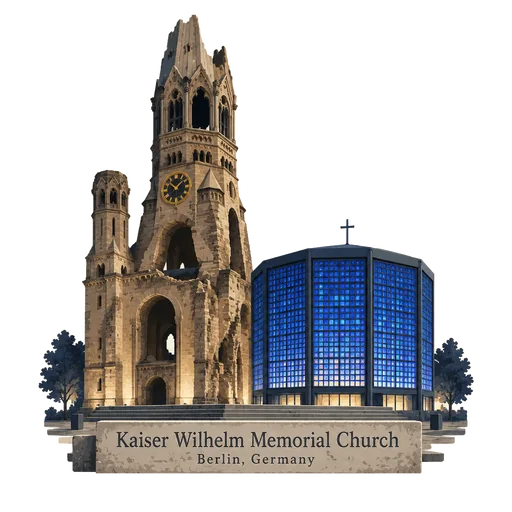
Kaiser Wilhelm Memorial Church
A church on Breitscheidplatz in Berlin, bombed in 1943. The ruined west tower was kept as a memorial, and a modern octagonal hall of blue glass by Egon Eiermann was added next to it in 1961. Locals call the ruin the hollow tooth.
-
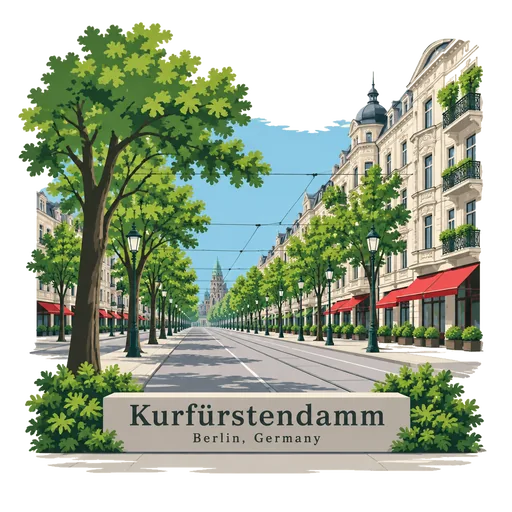
Kurfürstendamm
One of the most famous avenues in Berlin, running through the western city centre from the Memorial Church. It is lined with shops, cafes and theatres, and in the 1920s it was the centre of Berlin's nightlife.
-
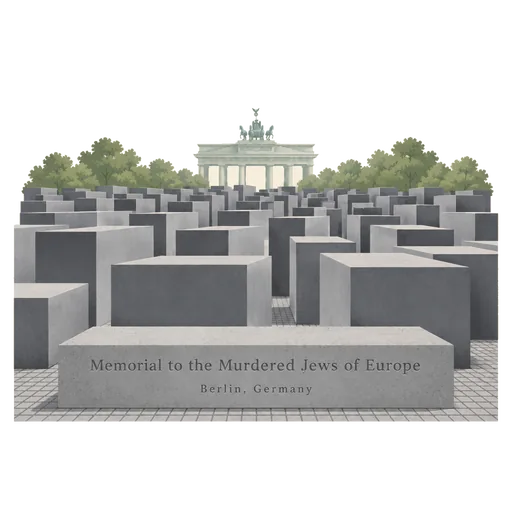
Memorial to the Murdered Jews of Europe
A field of 2,711 concrete slabs of different heights near the Brandenburg Gate in Berlin, designed by Peter Eisenman and opened in 2005. An information centre below ground tells the stories of Jewish victims of the Holocaust.
-
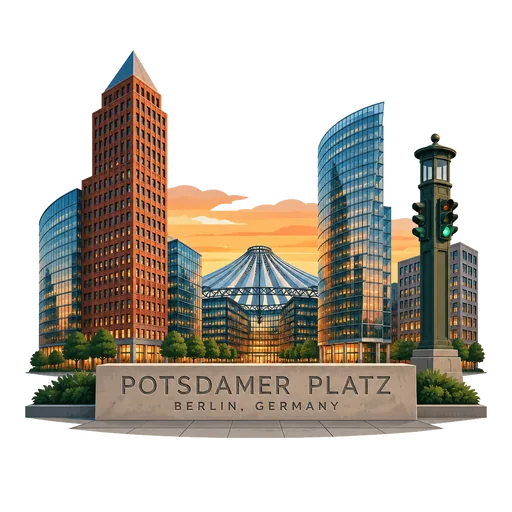
Potsdamer Platz
A public square and busy crossing in central Berlin, about a kilometre south of the Brandenburg Gate. It was a no man's land beside the Wall and was rebuilt in the 1990s with the Sony Center, offices, cinemas and the Berlinale Palast.
-
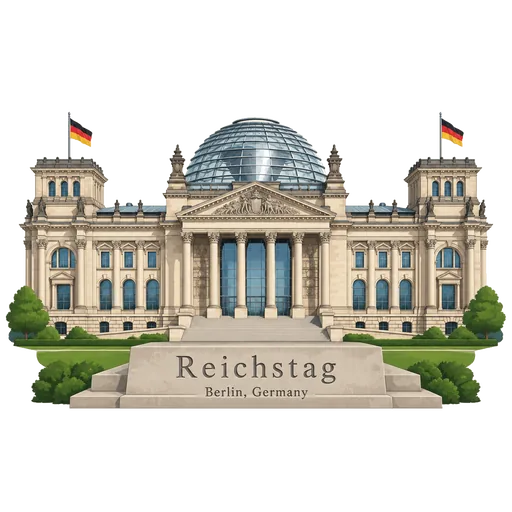
Reichstag
The seat of the German parliament in Berlin, completed in 1894 and badly damaged in the war. Norman Foster rebuilt it in the 1990s and added a glass dome that visitors can walk up, with views over the city.
-
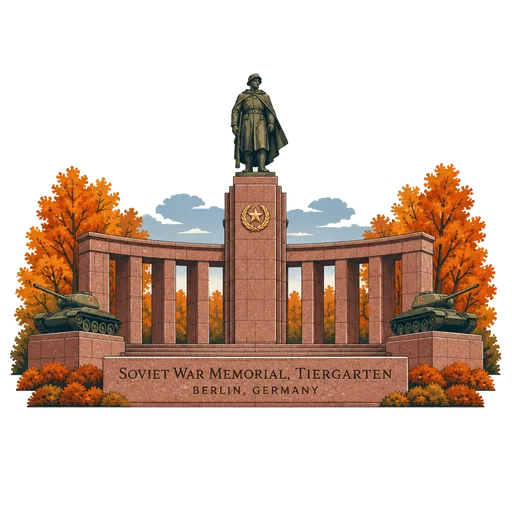
Soviet War Memorial, Tiergarten
A Soviet war memorial near the Brandenburg Gate in Berlin, opened in 1945 as the first of its kind in the city. It has a colonnade, a bronze soldier on a plinth and two T-34 tanks believed to have been the first to enter Berlin.
-
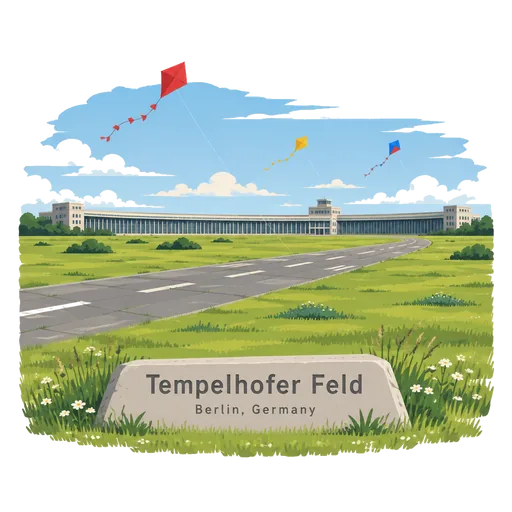
Tempelhofer Feld
The former Tempelhof Airport in Berlin, a field of about 300 hectares opened to the public as a park in 2010. Walkers, cyclists and kite flyers use the old runways, and the vast terminal building from the 1930s stands at its edge.
-
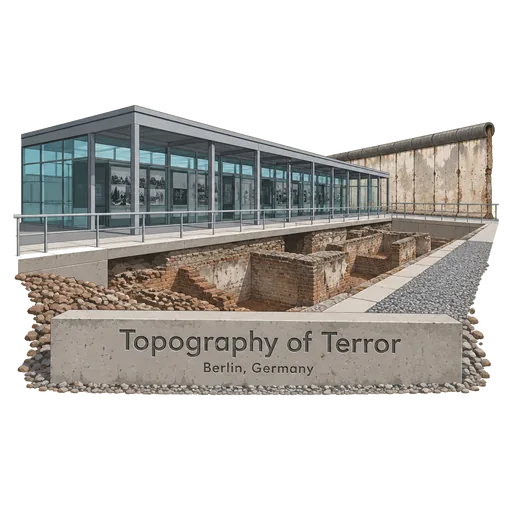
Topography of Terror
An outdoor and indoor history museum on Niederkirchnerstrasse, formerly Prinz-Albrecht-Strasse. It stands on the site of the buildings used by the SS Reich Security Main Office and the Gestapo during the Nazi regime from 1933 to 1945.
-
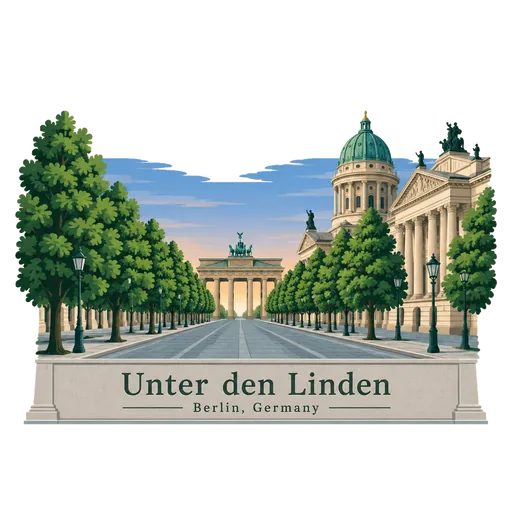
Unter den Linden
A boulevard in central Berlin running from the site of the Berlin Palace to the Brandenburg Gate, lined with linden trees. Along it stand the State Opera, Humboldt University, the German Historical Museum and Neue Wache.
-
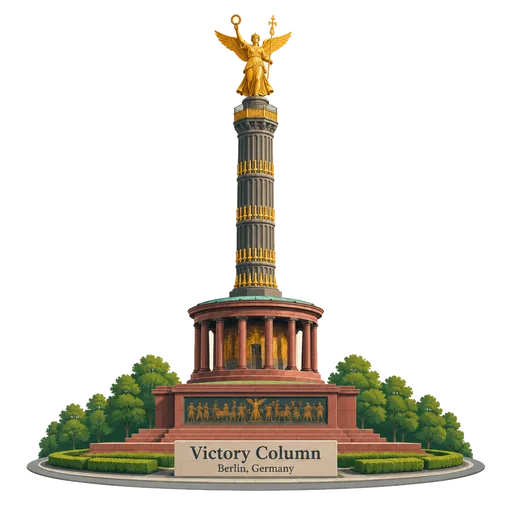
Victory Column
A 67 metre column topped by a golden statue of Victoria in the middle of the Tiergarten in Berlin. It was built from 1864 to 1873 to mark Prussian military victories, and visitors can climb 285 steps to a viewing platform.
Hidden gems in Berlin (4)
-
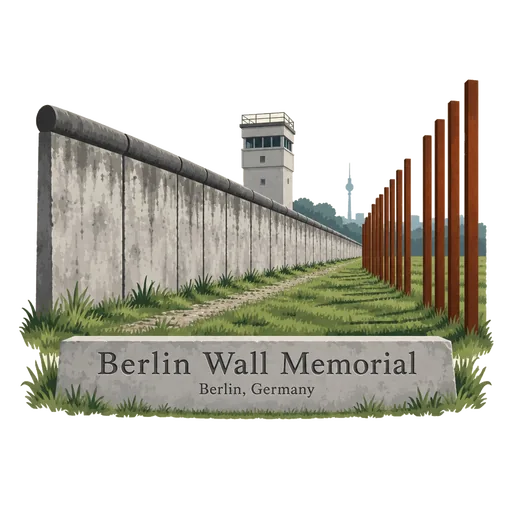
Berlin Wall Memorial
A memorial on Bernauer Straße that commemorates the division of Berlin and the people who died at the Wall. It was created in 1998 by the Federal Republic and the State of Berlin, and it preserves a stretch of the original border strip.
-
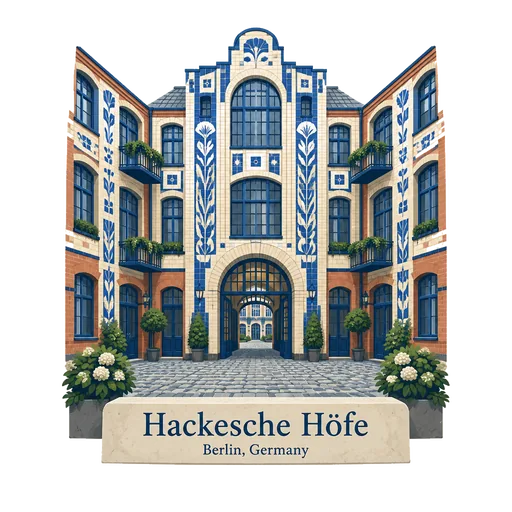
Hackesche Höfe
A courtyard complex beside Hackescher Markt in central Berlin, made up of eight interconnected courtyards. The main arched entrance is at number 40 Rosenthaler Straße. Built in 1906, the courtyards hold shops, cafes, galleries and a theatre, and they are known for their decorated Art Nouveau facades.
-
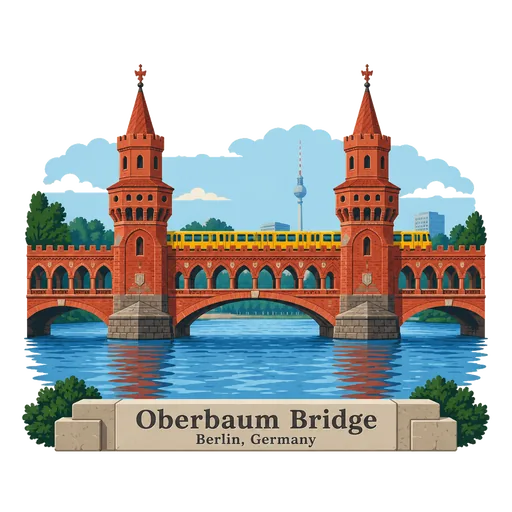
Oberbaum Bridge
A double-deck bridge over the River Spree in Berlin and one of the city's landmarks. It links Friedrichshain and Kreuzberg, two former boroughs divided by the Berlin Wall. Its brick towers and arches were built in 1896, and an underground railway line runs along the upper deck.
-
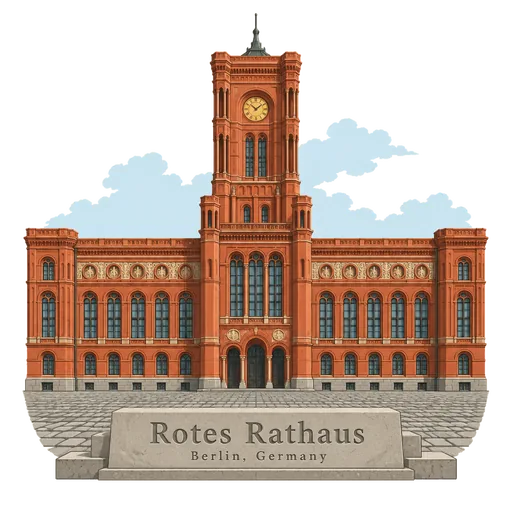
Rotes Rathaus
The Red Town Hall, on Rathausstraße in the Mitte district near Alexanderplatz. It is the seat of the Governing Mayor of Berlin and of the city state government. Its name comes from the red brick facade, and the building was constructed between 1861 and 1869.
Collecting in Berlin
What are the best places to visit in Berlin?
LOQAH lists 35 places in Berlin. The best known include Alte Nationalgalerie, Altes Museum, Bode Museum, Glienicke Palace and Museum Island. Each has a stamp of its own to collect when you are there.
How many LOQAH stamps are there in Berlin?
35, and more are added over time. Each place has LOQAH's carefully crafted stamp of its own.
How do I collect a stamp in Berlin?
Open LOQAH at the place and get its stamp. LOQAH checks where you are once, at that moment; at the place itself the stamp is confirmed on site, with a gold badge.
I have been to places in Berlin before. Can I add them?
Yes. In Earlier trips, choose Berlin and swipe through its stamps, or import your Google Timeline. Each one goes into your volume with the date, if you know it.
More in Germany
Collect your first stamp.
LOQAH is free on iPhone and Android, in India and 40 more countries, with more countries on the way. Stand at a place, collect its stamp, and keep every trip in a passport that grows.