

Places to visit in Bavaria, Germany
42 places to visit in Bavaria, Germany, each with LOQAH's carefully crafted stamp of its own: Bamberg Cathedral, Herrenchiemsee, King's House on Schachen and more. Stand at any of them with the app open and the stamp is yours, confirmed on site, in your Bavaria volume.
10 UNESCO World Heritage sites · 2 Heritage sites · 21 Famous places to visit · 9 Hidden gems
UNESCO World Heritage sites in Bavaria (10)
-
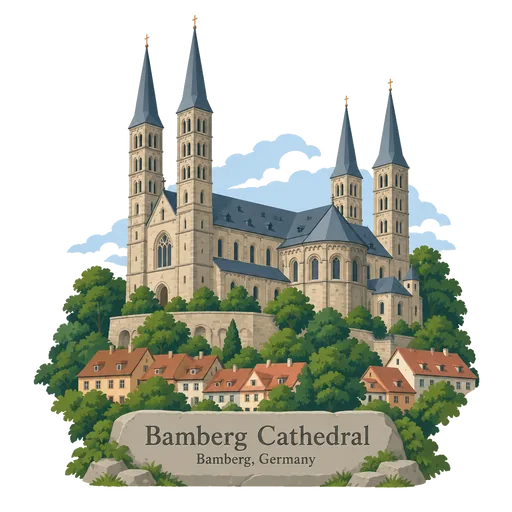
Bamberg Cathedral
A cathedral in Bamberg completed in the 13th century, seat of the Archbishop of Bamberg. Since 1993 it has been part of the town's UNESCO World Heritage Site. It is a large Romanesque and early Gothic church with four towers, standing on one of the hills of the old town.
-
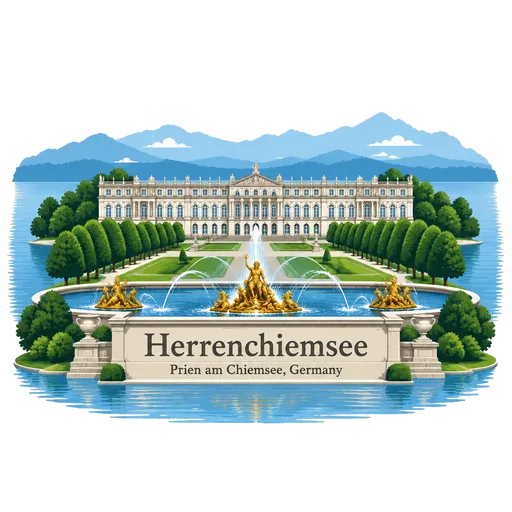
Herrenchiemsee
A group of royal buildings on Herreninsel, the largest island in Lake Chiemsee in Bavaria. King Ludwig II began the New Palace there in 1873 as his copy of Versailles. It was never completed, and visitors arrive by boat.
-
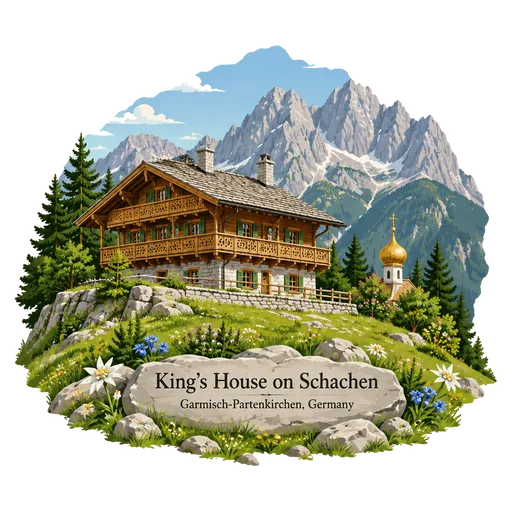
King's House on Schachen
A small timber lodge at about 1,860 metres in the Wetterstein mountains, built for King Ludwig II in 1869 to 1872. Its upper floor is a Turkish style hall, and it can be reached only on foot. A botanical alpine garden lies nearby.
-
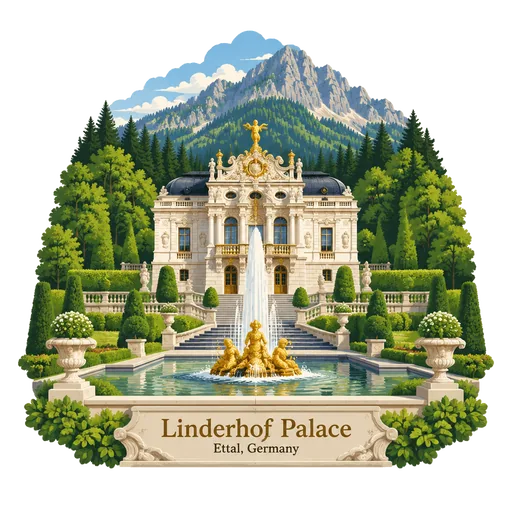
Linderhof Palace
A small royal palace in the Ammergau Alps, 10 km west of Ettal, built for King Ludwig II of Bavaria in the 1870s. It is the only one of his palaces he lived to see finished, and it sits in a park with a grotto and fountains.
-
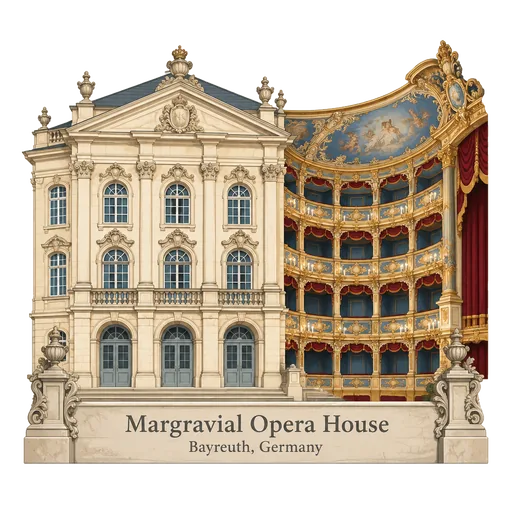
Margravial Opera House
A Baroque opera house in Bayreuth, built from 1745 to 1750 for Margravine Wilhelmine of Bayreuth, the sister of Frederick the Great. Its tiered interior is carved and painted wood, and it is one of the best preserved court theatres in Europe.
-
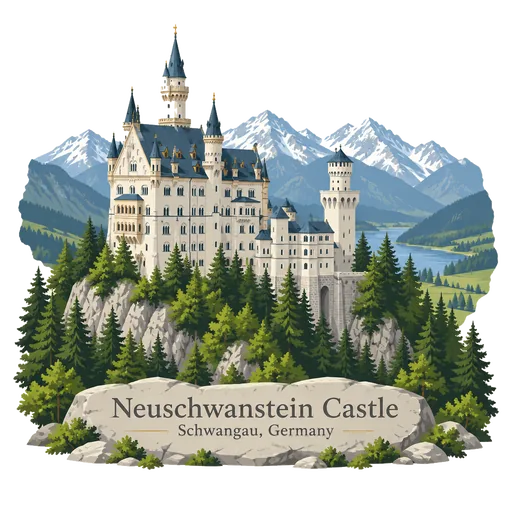
Neuschwanstein Castle
A 19th century historicist palace on a rugged hill in the Alpine foothills of southern Bavaria, close to the Austrian border. King Ludwig II of Bavaria had it built from 1869 as a private retreat, and it is among the most visited castles in Germany.
-
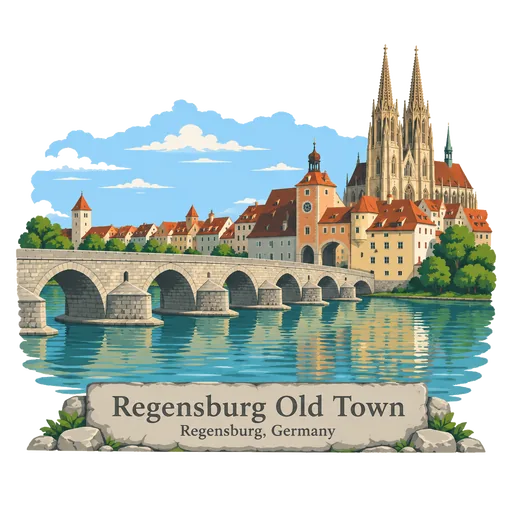
Regensburg Old Town
A medieval old town on the north bank of the Danube, with a stone bridge built in the 12th century and a Gothic cathedral. It has a Roman past and more than a thousand listed buildings. It is a UNESCO World Heritage Site.
-
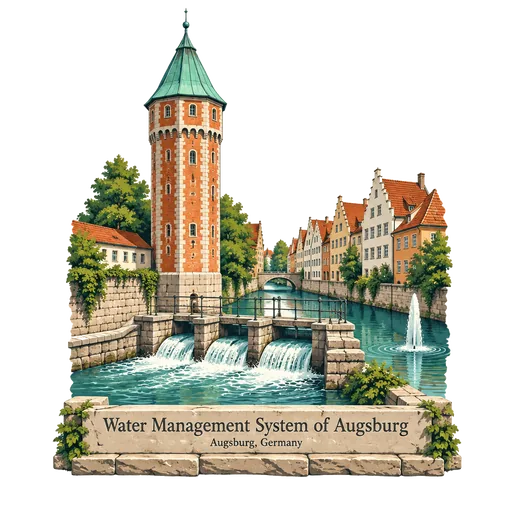
Water Management System of Augsburg
A network of canals, water towers, fountains and hydroelectric stations in Augsburg that supplied the city from the Middle Ages onward. It includes the Renaissance water towers at the Red Gate and the Augustus Fountain, and became a UNESCO World Heritage Site in 2019.
-
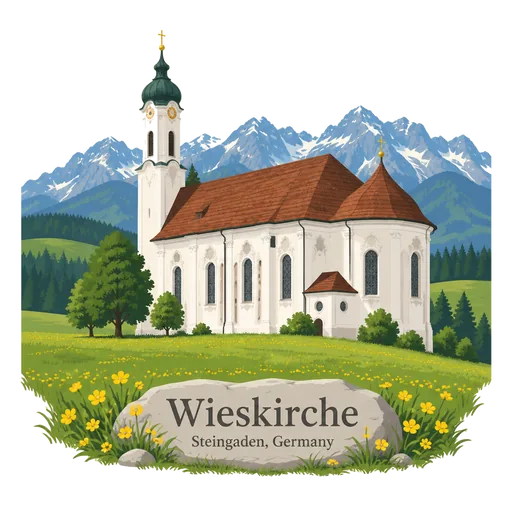
Wieskirche
A Rococo pilgrimage church in meadows near Steingaden in the Bavarian foothills, designed by Dominikus Zimmermann and completed in 1754. Its oval nave is covered with painted ceilings and white and gold stucco, and it is a UNESCO World Heritage Site.
-
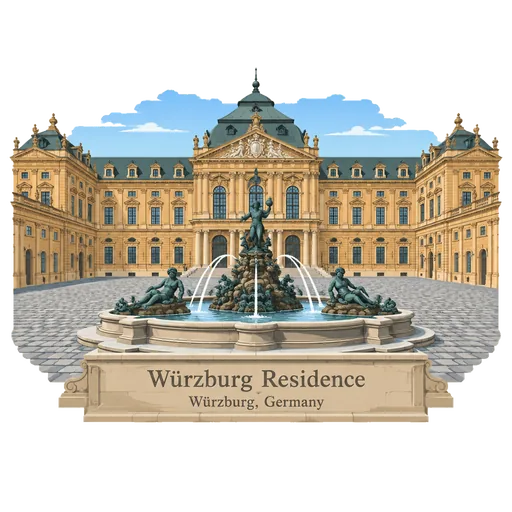
Würzburg Residence
A Baroque palace in Würzburg built from 1720 for the prince-bishops, with a design by Balthasar Neumann. Its staircase hall holds a ceiling fresco by Giovanni Battista Tiepolo that is among the largest in the world. It is a UNESCO World Heritage Site.
Heritage sites in Bavaria (2)
-
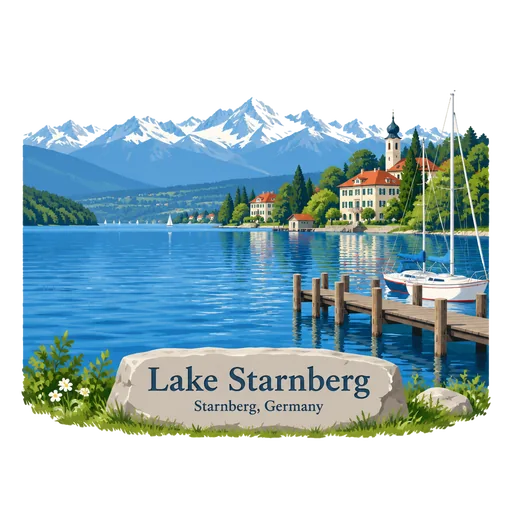
Lake Starnberg
A lake southwest of Munich, the fifth largest in Germany by area and one of the deepest at about 128 metres. Its shores hold villas and small harbours, and the Bavarian king Ludwig II drowned in it in 1886.
-
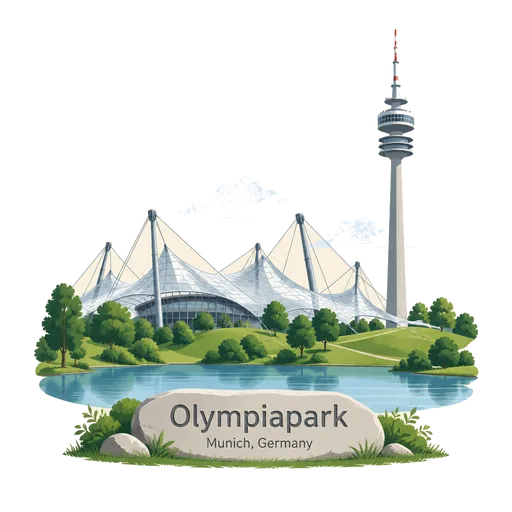
Olympiapark
A park built for the 1972 Summer Olympics on the Oberwiesenfeld in Munich. It still hosts cultural, social and religious events, and it is known for its tent-like roof and its large landscaped hill.
Famous places to visit in Bavaria (21)
-
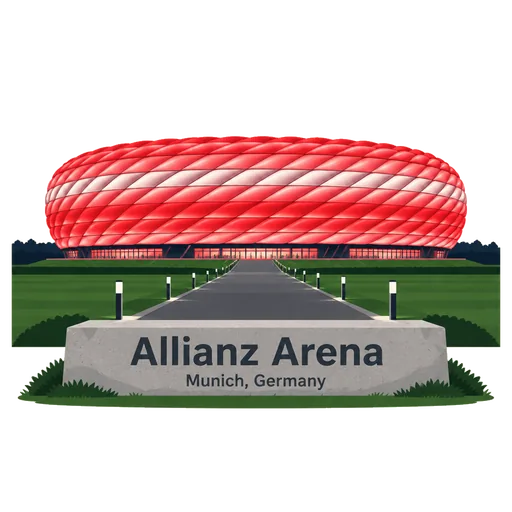
Allianz Arena
A football stadium in northern Munich for Bayern Munich, opened in 2005. Its outer shell is made of inflated panels that can be lit in red, blue or white, and it holds about 75,000 people.
-
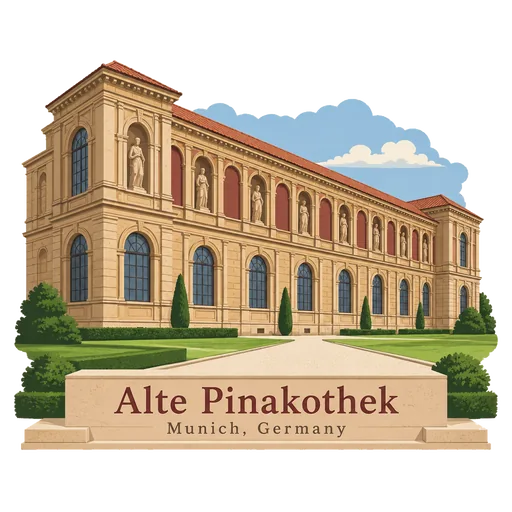
Alte Pinakothek
One of the oldest art galleries in the world, opened in Munich in 1836. It shows European paintings from the 14th to the 18th century, with works by Dürer, Rubens, Rembrandt and Raphael.
-
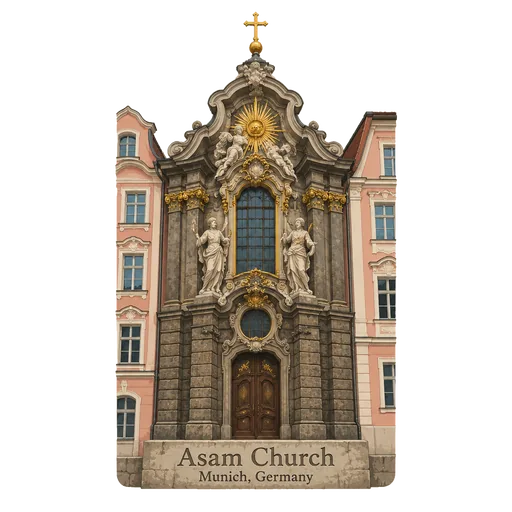
Asam Church
St. Johann Nepomuk is a Baroque church in Munich, built from 1733 to 1746 by the brothers Egid Quirin Asam, a sculptor, and Cosmas Damian Asam, a painter. They built it as their own private church, and it is considered a masterpiece of Late Baroque.
-
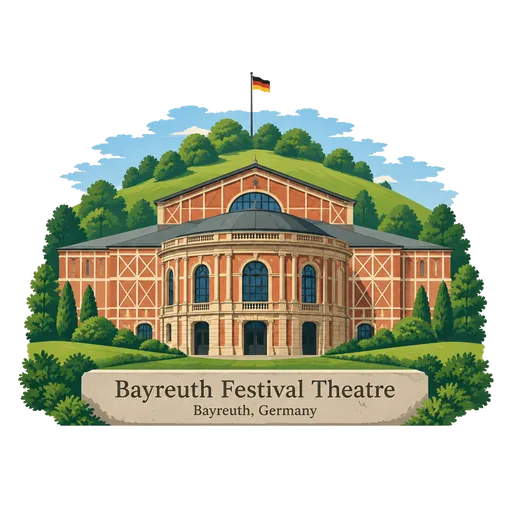
Bayreuth Festival Theatre
An opera house on the Green Hill above Bayreuth, built to the plans of Richard Wagner and opened in 1876. It was designed for performances of his own works, and the Bayreuth Festival is held here every summer.
-
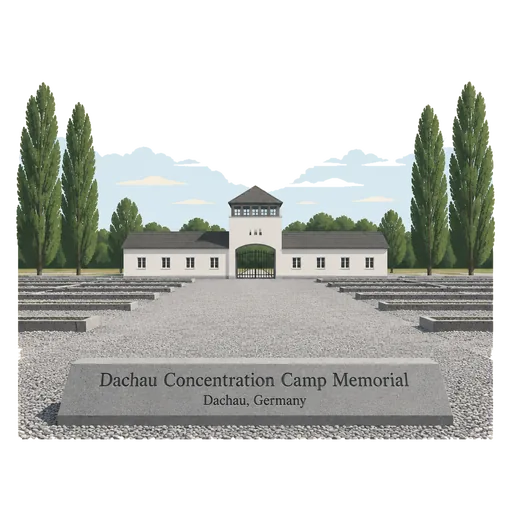
Dachau Concentration Camp Memorial
The site of one of the first concentration camps built by Nazi Germany, opened on 22 March 1933 near Munich. It was the longest running of the camps and is now a memorial site and museum where visitors can walk the grounds.
-
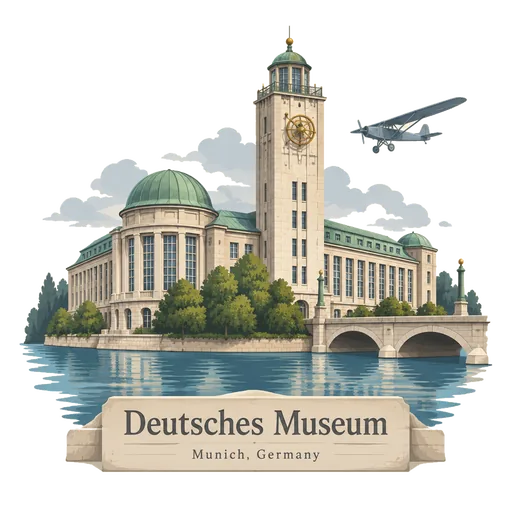
Deutsches Museum
The world's largest museum of science and technology, on an island in the Isar river in Munich, founded in 1903. It has about 125,000 objects on show, including aircraft, ships, mines and early computers.
-
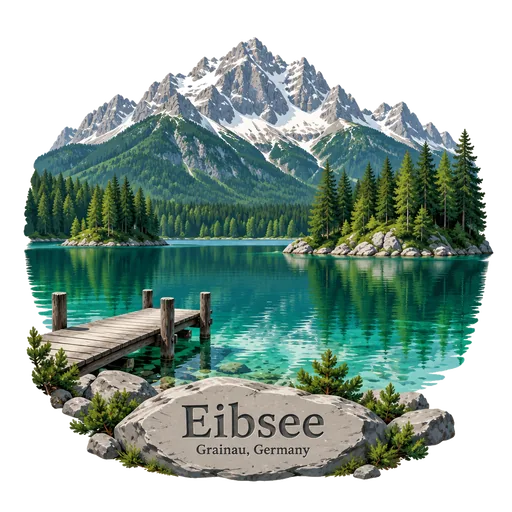
Eibsee
A lake in Bavaria 9 kilometres southwest of Garmisch-Partenkirchen, at the northern foot of the Zugspitze. It lies at 973 metres above sea level and has a surface area of 177 hectares.
-
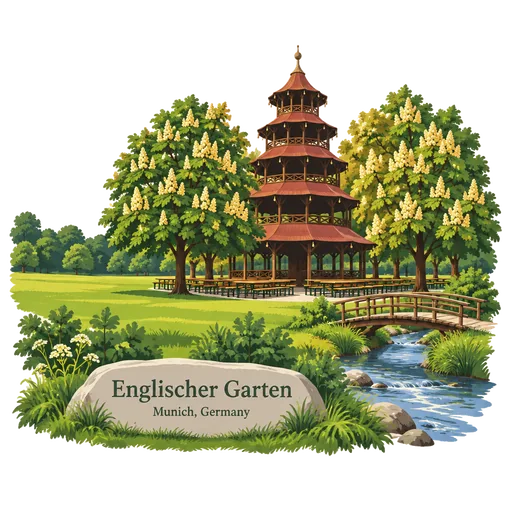
Englischer Garten
A large public park in the centre of Munich, laid out from 1789 and bigger than New York's Central Park. It has the Chinese Tower beer garden, a Japanese tea house and the Eisbach wave where people surf.
-
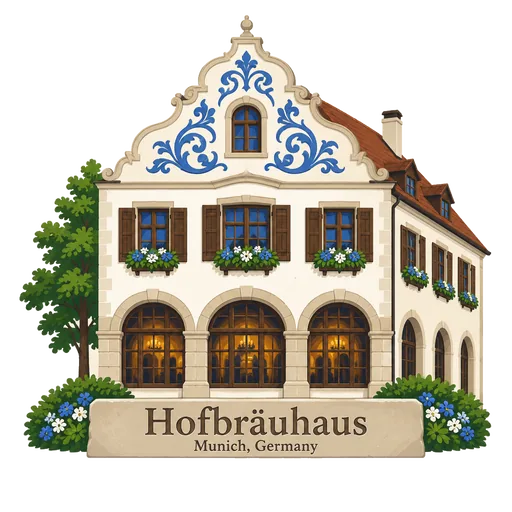
Hofbräuhaus
A beer hall in central Munich, originally built in 1589 by Duke Maximilian I as an extension of the court brewery. The public was first admitted in 1828 under Ludwig I, and it remains Munich's best known beer hall.
-
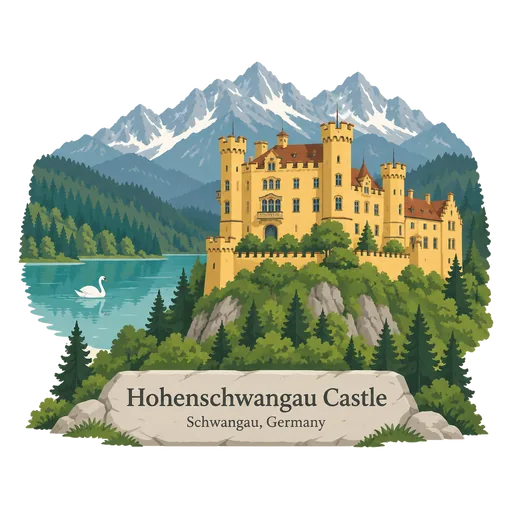
Hohenschwangau Castle
A 19th century castle in the Bavarian Alps near Füssen, built by Maximilian II of Bavaria in the 1830s on the ruins of a medieval fortress. His son Ludwig II grew up here, and Neuschwanstein stands on the hill above.
-
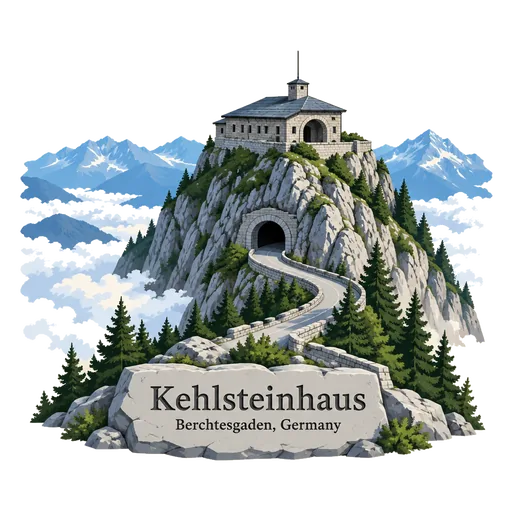
Kehlsteinhaus
A stone chalet on the summit of the Kehlstein at about 1,834 metres above Berchtesgaden, built in 1938 as a gift for Adolf Hitler. Today it is a restaurant, reached by a mountain road and a brass lift, with wide views over the Alps.
-
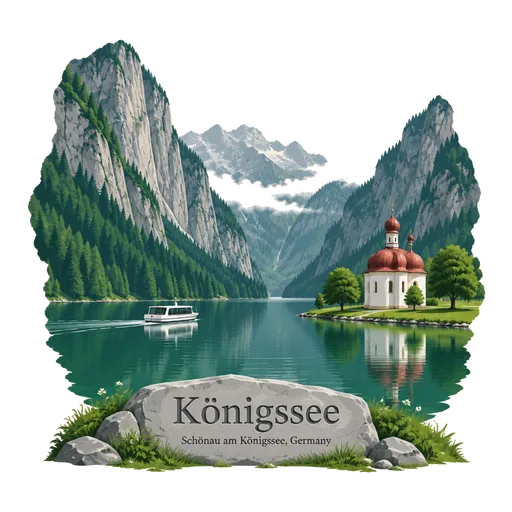
Königssee
A long, narrow lake in the Berchtesgaden Alps near the Austrian border, enclosed by steep rock walls. Electric boats cross it to the pilgrimage chapel of St. Bartholomew, and the lake is known for its clear water and echo.
-
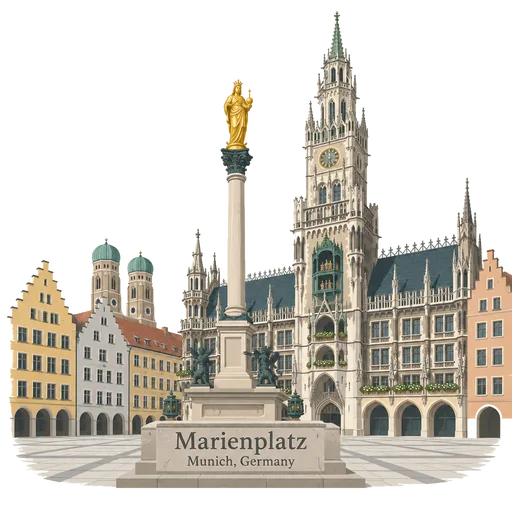
Marienplatz
The central square of Munich since 1158, dominated by the neo Gothic New Town Hall. Its Glockenspiel chimes and acts out two scenes daily, and the Mary column of 1638 stands in the middle of the square.
-
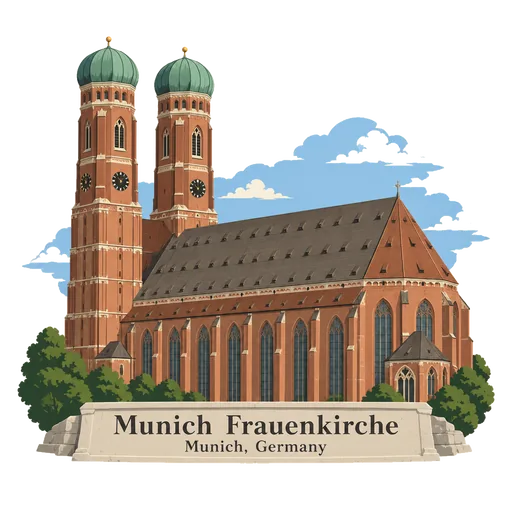
Munich Frauenkirche
The cathedral of the Archdiocese of Munich and Freising, a late Gothic brick church finished in 1488. Its two towers, each topped with a dome, are about 99 metres high and are a symbol of the city.
-
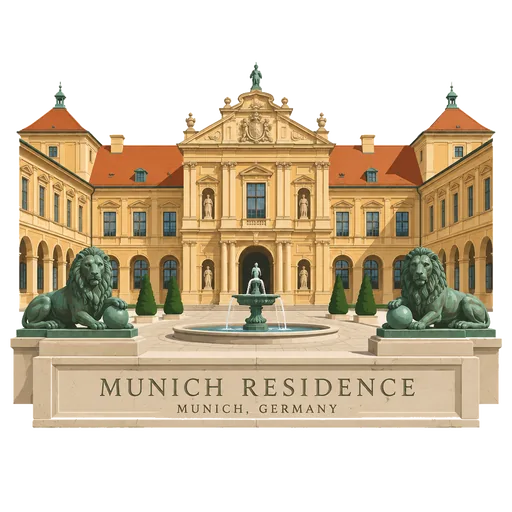
Munich Residence
The former royal palace of the Wittelsbach rulers of Bavaria in the centre of Munich, built and extended from 1385 to the 19th century. It has ten courtyards and many rooms, and holds a treasury and the Cuvilliés Theatre.
-
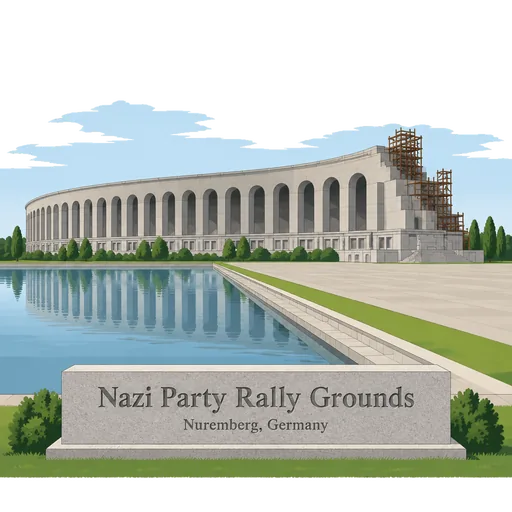
Nazi Party Rally Grounds
A complex of huge unfinished structures and open fields covering about 11 square kilometres south east of Nuremberg. Six Nazi party rallies were held here between 1933 and 1938, and a documentation centre now explains the site.
-
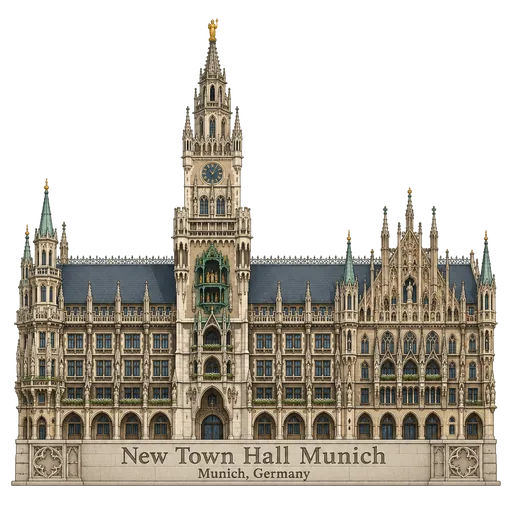
New Town Hall Munich
A neo Gothic town hall on the north side of Marienplatz in Munich, built between 1867 and 1908. Its 85 metre tower has a Glockenspiel with 43 bells and life sized figures, and a lift takes visitors to a viewing platform.
-
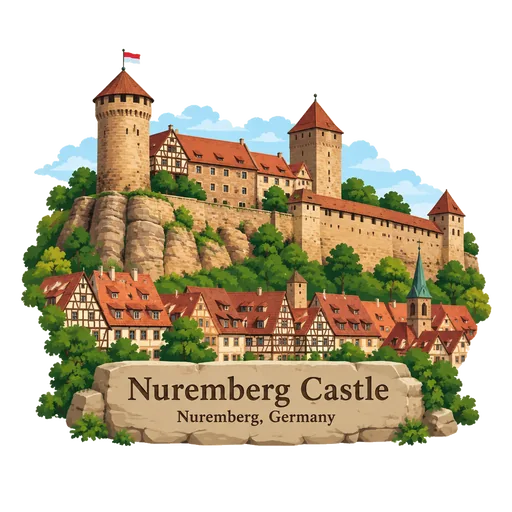
Nuremberg Castle
A group of medieval fortified buildings on a sandstone ridge that overlooks the historic centre of Nuremberg. It served as a seat of the Holy Roman Emperors and is one of the city's main landmarks.
-
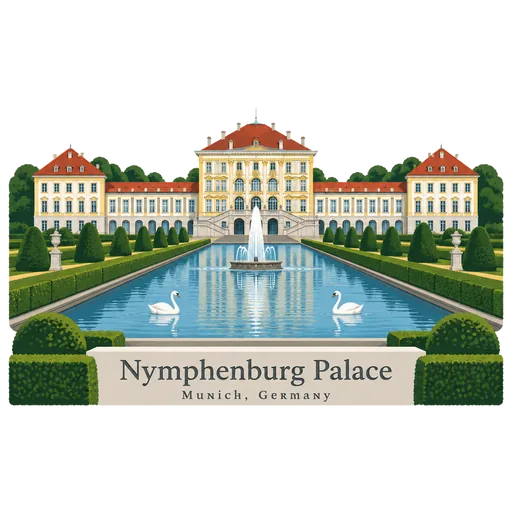
Nymphenburg Palace
A Baroque palace in western Munich, begun in 1664 as a summer residence of the Bavarian rulers. It has a long canal, a large park with small pavilions, and the Gallery of Beauties commissioned by King Ludwig I.
-
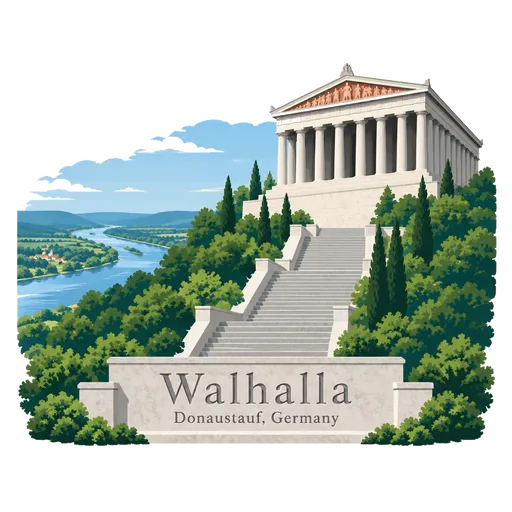
Walhalla
A hall of fame in the form of a Greek temple, on a hill above the Danube near Regensburg. King Ludwig I of Bavaria had it built from 1830 to 1842, and it holds marble busts and plaques of notable German speaking people.
-
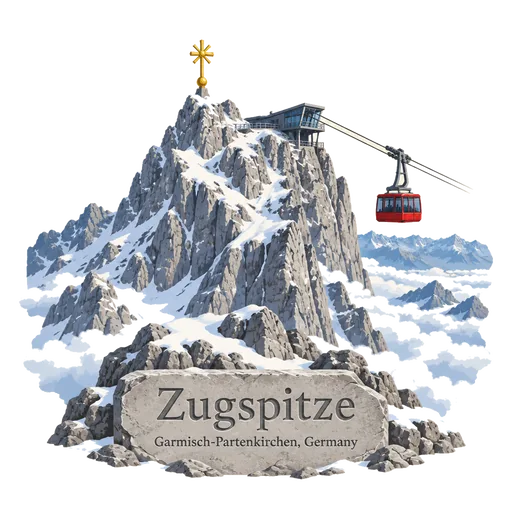
Zugspitze
The highest peak of the Wetterstein Mountains and the highest mountain in Germany at 2,962 metres, on the border with Austria. A cog railway and two cable cars carry visitors to the summit, where there is a cross, a restaurant and a glacier plateau.
Hidden gems in Bavaria (9)
-
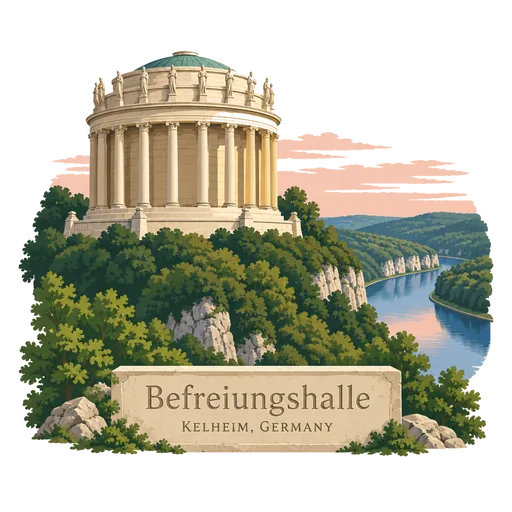
Befreiungshalle
A neoclassical monument on the Michelsberg hill above Kelheim, upstream of Regensburg on the Danube. It stands near the confluence of the Danube and the Altmühl. King Ludwig I of Bavaria had it built to honour the wars of liberation against Napoleon, and it opened in 1863.
-
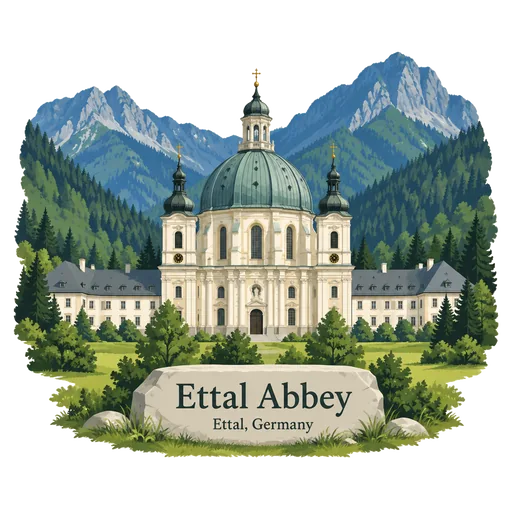
Ettal Abbey
A Benedictine monastery in the village of Ettal close to Oberammergau and Garmisch-Partenkirchen. With more than 50 monks it is one of the largest Benedictine houses in Germany. It was founded in 1330 by Emperor Louis IV, and its large domed Baroque church is the centre of the village.
-
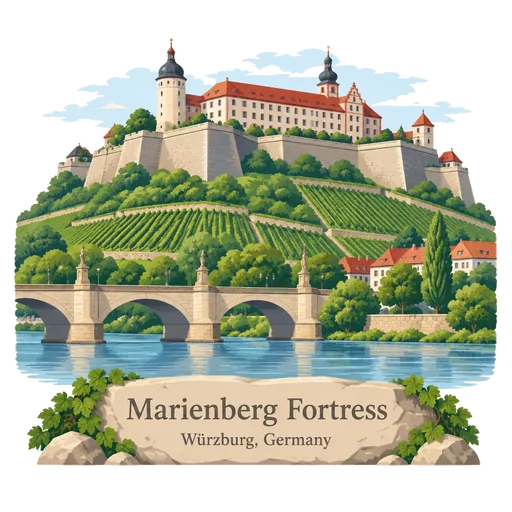
Marienberg Fortress
A fortress on the left bank of the Main river above Würzburg, and a symbol of the city. It was the home of the local prince-bishops for nearly five centuries. It overlooks the old town and the vineyards of the Main valley, and visitors can walk up to it from the centre.
-
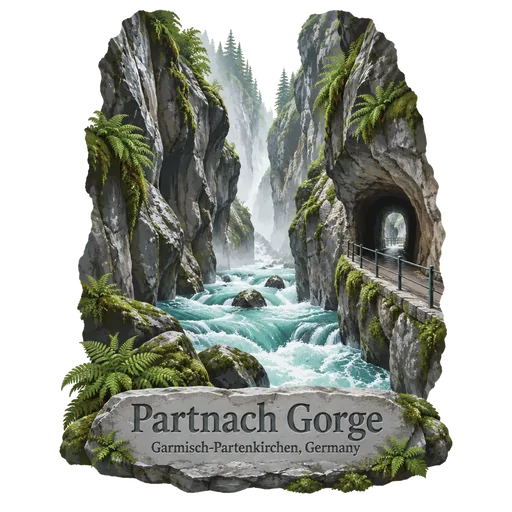
Partnach Gorge
A deep gorge cut by the Partnach mountain stream in the Reintal valley near Garmisch-Partenkirchen. It is 702 metres long and in places more than 80 metres deep. A footpath and tunnels run through the gorge beside the rushing water, and in winter the walls are hung with ice.
-
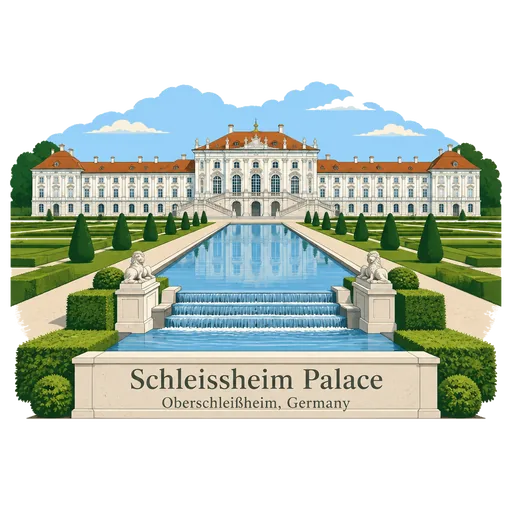
Schleissheim Palace
A complex of three palaces, the Old, Lustheim and New, in a grand Baroque park in Oberschleißheim, a suburb of Munich. It was a summer residence of the Bavarian rulers of the House of Wittelsbach.
-
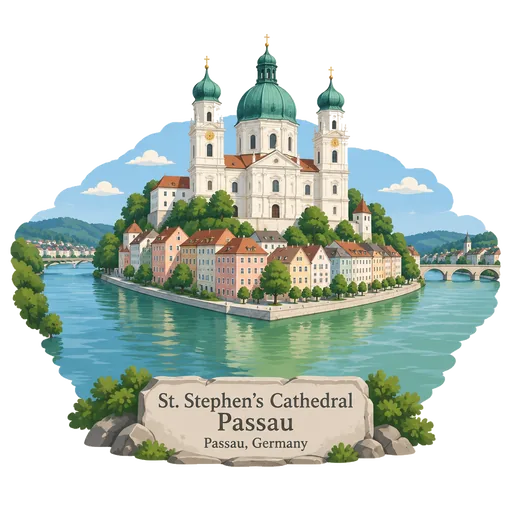
St. Stephen's Cathedral Passau
A Baroque cathedral from 1688 dedicated to Saint Stephen in Passau. It is the seat of the Catholic Bishop of Passau and the main church of his diocese. It stands at the meeting point of the three rivers Danube, Inn and Ilz, and holds one of the largest church organs in the world.
-
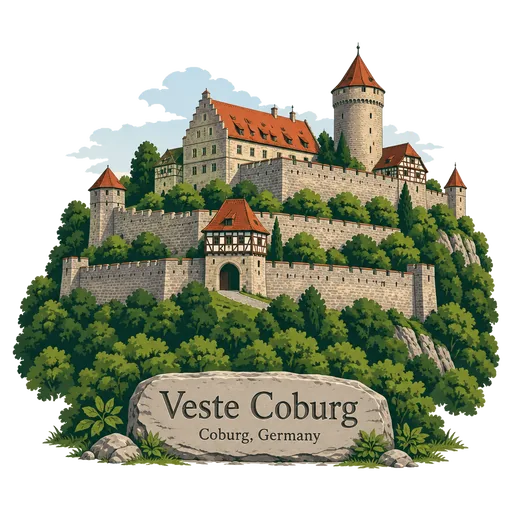
Veste Coburg
One of the best-preserved medieval fortresses in Germany, standing on a hill above the town of Coburg in Upper Franconia. It is often called the Crown of Franconia, and it holds art collections, weapons and rooms Martin Luther used in 1530.
-
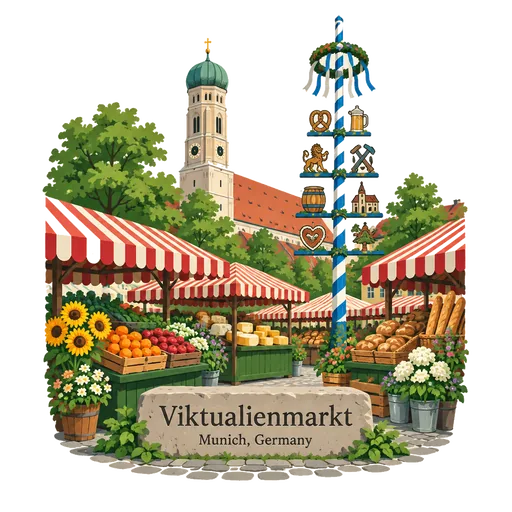
Viktualienmarkt
A food market and square in the centre of Munich. Apart from Sundays and holidays it has been held daily since 1807, with stalls selling produce, cheese, meat and flowers. Stalls fill the square with fresh produce, cheese, meat and flowers, and a beer garden sits among them.
-
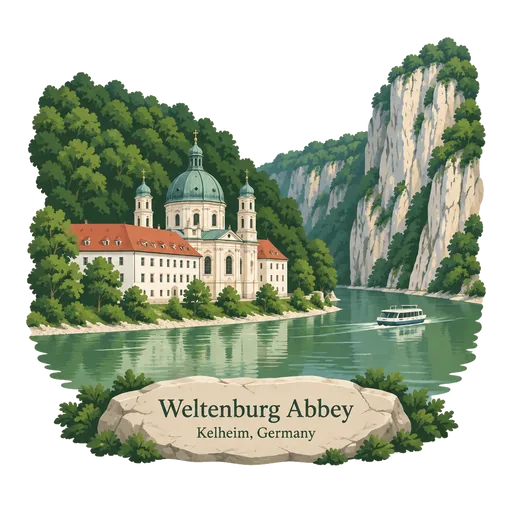
Weltenburg Abbey
A Benedictine monastery in Weltenburg, near Kelheim on the Danube in Bavaria. It sits at the entrance to the Danube gorge, and boats run there from Kelheim. Founded in the 7th century, it is often called the oldest monastery in Bavaria, and it has its own brewery and beer garden.
Collecting in Bavaria
What are the best places to visit in Bavaria?
LOQAH lists 42 places in Bavaria. The best known include Bamberg Cathedral, Herrenchiemsee, King's House on Schachen, Linderhof Palace and Margravial Opera House. Each has a stamp of its own to collect when you are there.
How many LOQAH stamps are there in Bavaria?
42, and more are added over time. Each place has LOQAH's carefully crafted stamp of its own.
How do I collect a stamp in Bavaria?
Open LOQAH at the place and get its stamp. LOQAH checks where you are once, at that moment; at the place itself the stamp is confirmed on site, with a gold badge.
I have been to places in Bavaria before. Can I add them?
Yes. In Earlier trips, choose Bavaria and swipe through its stamps, or import your Google Timeline. Each one goes into your volume with the date, if you know it.
More in Germany
Collect your first stamp.
LOQAH is free on iPhone and Android, in India and 40 more countries, with more countries on the way. Stand at a place, collect its stamp, and keep every trip in a passport that grows.