

Places to visit in Peloponnese, Greece
17 places to visit in Peloponnese, Greece, each with LOQAH's carefully crafted stamp of its own: Ancient Theatre of Epidaurus, Archaeological Sites of Mycenae and Tiryns, Mystras and more. Stand at any of them with the app open and the stamp is yours, confirmed on site, in your Peloponnese volume.
5 UNESCO World Heritage sites · 10 Famous places to visit · 2 Hidden gems
UNESCO World Heritage sites in Peloponnese (5)
-
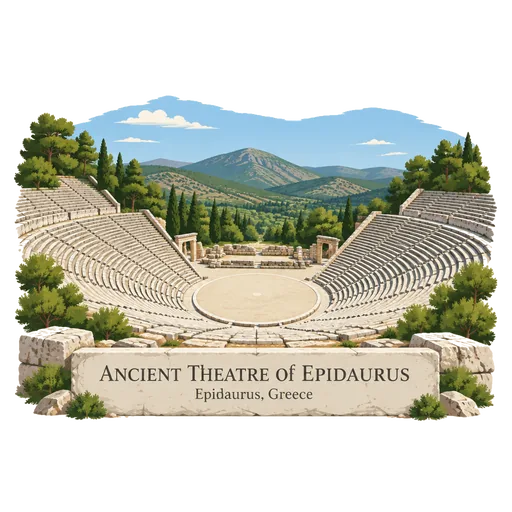
Ancient Theatre of Epidaurus
A theatre built in the 4th century BC that holds up to 14,000 spectators and is celebrated for its acoustics. Plays are still staged here every summer during the Athens and Epidaurus Festival.
-
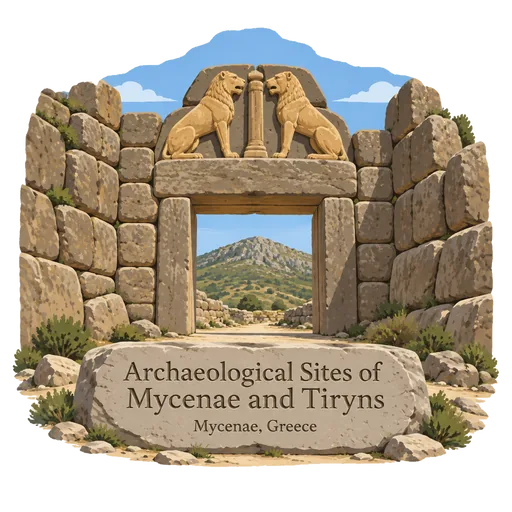
Archaeological Sites of Mycenae and Tiryns
The citadels of Bronze Age Mycenae and Tiryns in the Argolid, which gave their name to the Mycenaean civilisation. Mycenae has the Lion Gate and royal grave circles, while Tiryns has huge walls of enormous stones.
-
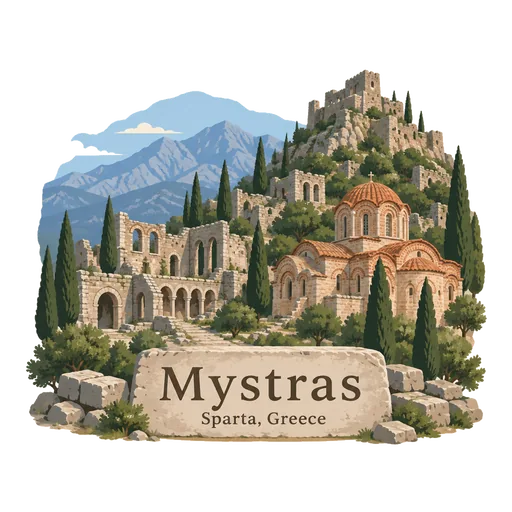
Mystras
A ruined Byzantine hill town above Sparta, once the capital of the Despotate of the Morea in the 14th and 15th centuries. Churches with frescoes, a palace and a fortress climb the slope, and it is a UNESCO site.
-
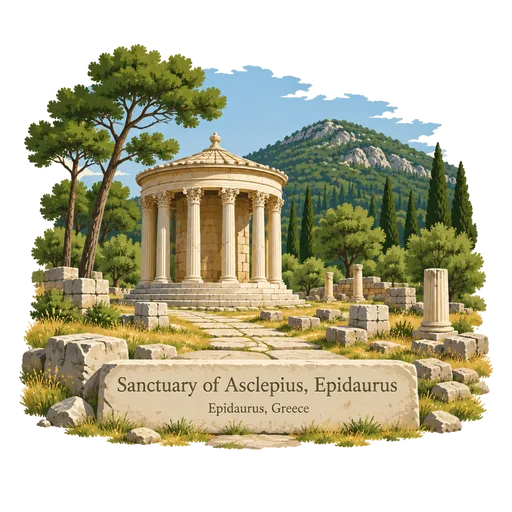
Sanctuary of Asclepius, Epidaurus
An ancient healing sanctuary dedicated to Asclepius, god of medicine, where the sick came to sleep in the temple and seek cures. It also has a theatre, a stadium and a museum, and is listed by UNESCO.
-
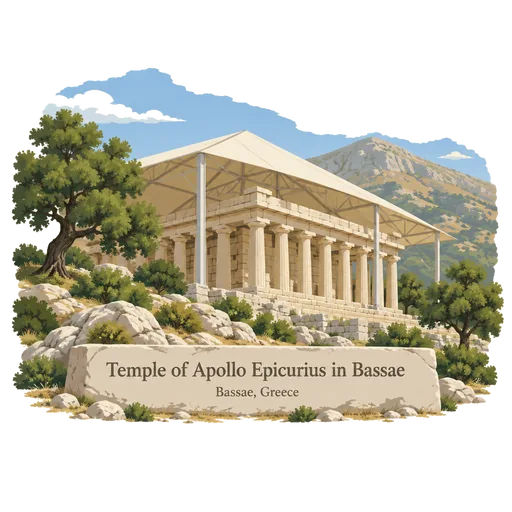
Temple of Apollo Epicurius in Bassae
A remote Doric temple high in the Arcadian mountains, built around 420 BC and probably designed by Iktinos. It is covered by a protective tent, and it was among the first sites on the UNESCO list.
Famous places to visit in Peloponnese (10)
-
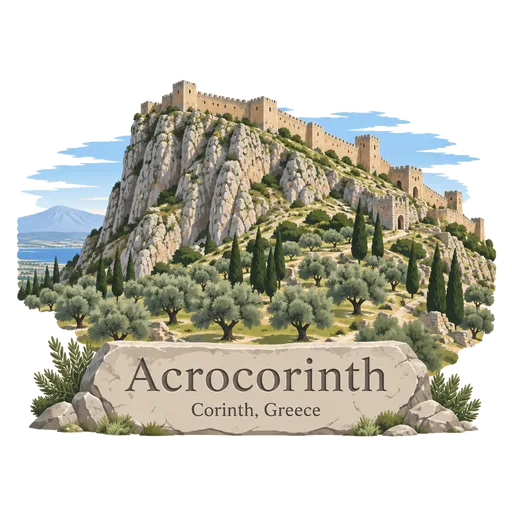
Acrocorinth
A great rock rising above ancient Corinth, topped by a fortress that was used by Greeks, Romans, Byzantines, Franks, Venetians and Ottomans. The historian George Forrest called it the most impressive acropolis of mainland Greece.
-
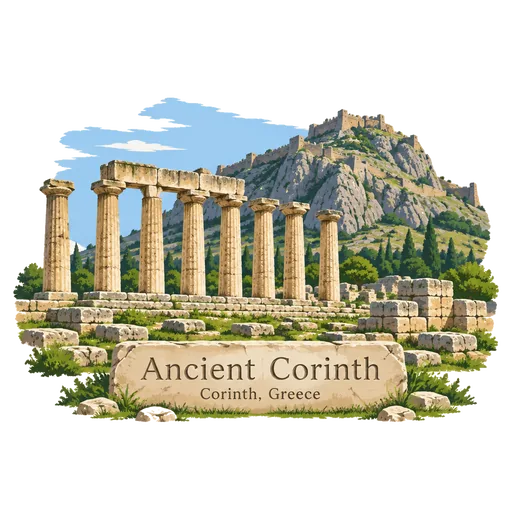
Ancient Corinth
The ruins of the ancient city state on the Isthmus of Corinth, about 5 km from the modern city. The site includes the agora and the Doric Temple of Apollo from the sixth century BC, with a museum beside it.
-
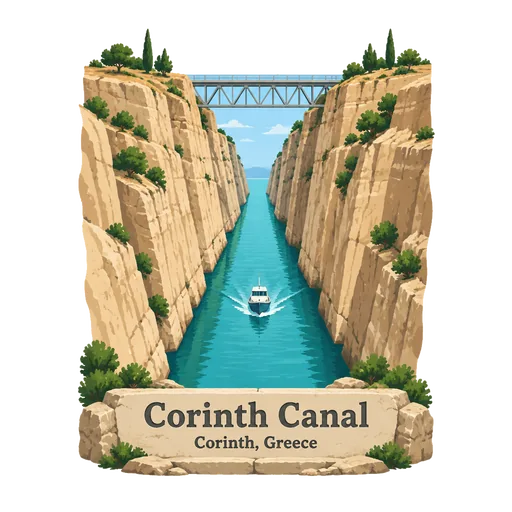
Corinth Canal
A canal 6.4 km long and only about 21 metres wide, cut through the rock of the Isthmus of Corinth and opened in 1893. Its walls reach 79 metres high, and small ships and bungee jumpers use it today.
-
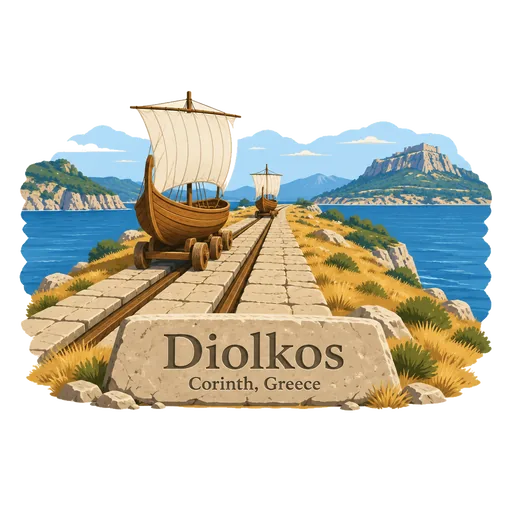
Diolkos
A paved track about 6 km long across the Isthmus of Corinth, where ships were hauled from one gulf to the other from around 600 BC. Parts of its stone slabs and grooves can still be seen.
-
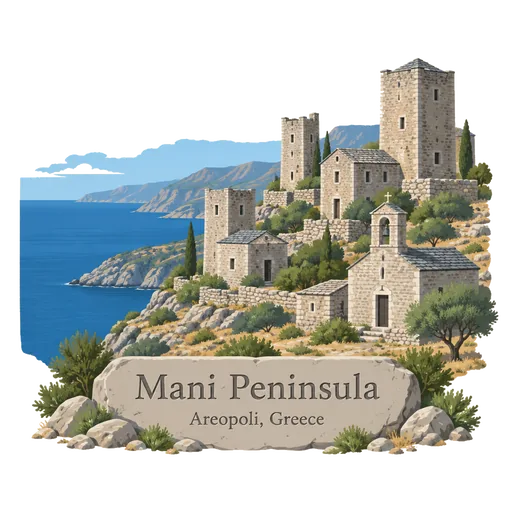
Mani Peninsula
A wild, dry peninsula at the southern tip of the mainland, known for stone tower houses and Byzantine churches. Its villages once feuded with each other, and Cape Tainaron is the southernmost point of mainland Europe.
-
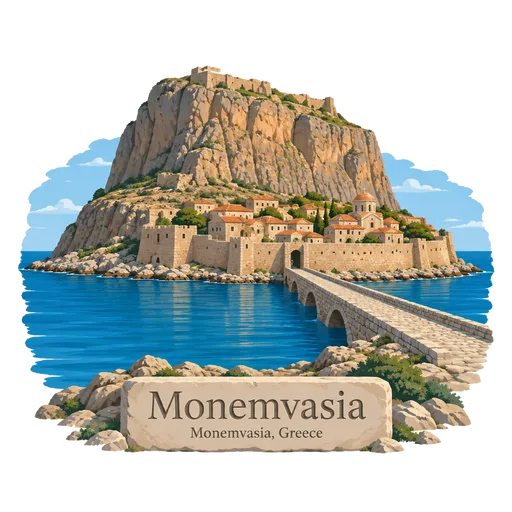
Monemvasia
A medieval fortified town on a rocky tied island off the east coast of the Peloponnese, joined to the mainland by a 400 metre causeway. Its walled lower town has stone lanes and Byzantine churches, and ruins crown the plateau above.
-
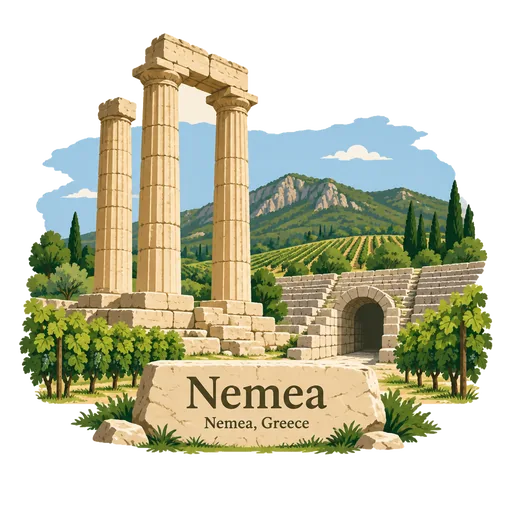
Nemea
A sanctuary of Zeus where the Nemean Games were held every two years in antiquity. A stadium with its stone starting line survives, and a few columns of the Temple of Zeus still stand.
-
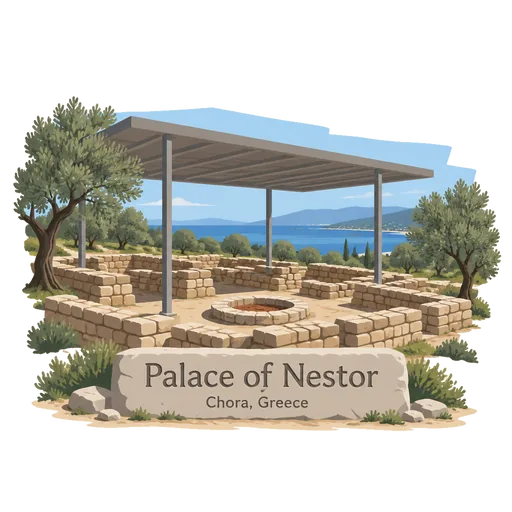
Palace of Nestor
A Mycenaean palace near Pylos in Messenia, traditionally identified as the home of King Nestor in Homer's Odyssey and Iliad. It is one of the best preserved palaces of the Bronze Age, with a throne room, a central hearth and clay tablets written in Linear B.
-
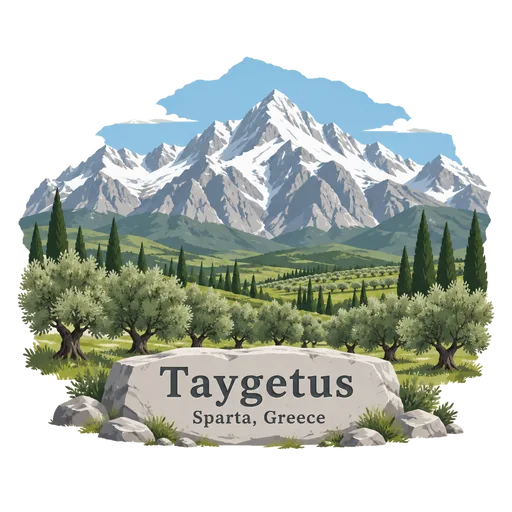
Taygetus
A mountain range on the southern Peloponnese rising to 2,407 metres at Profitis Ilias. It overlooks Sparta and has deep gorges such as Rintomo, and snow stays on its tops into early summer.
-
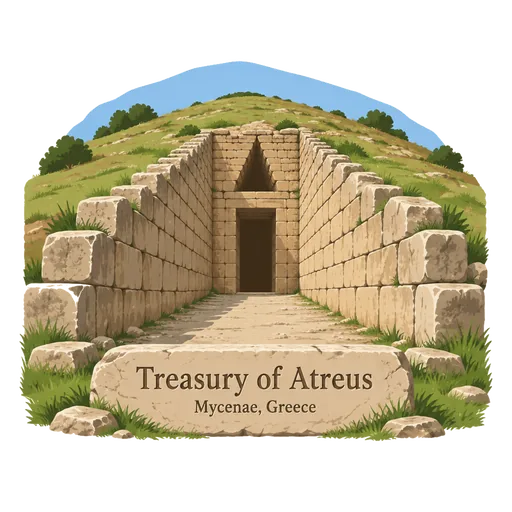
Treasury of Atreus
A vast beehive shaped tomb near Mycenae, built around 1250 BC and once thought to be the tomb of Agamemnon. Its dome, made of carefully fitted stone rings, was the largest in the world for over a thousand years.
Hidden gems in Peloponnese (2)
-
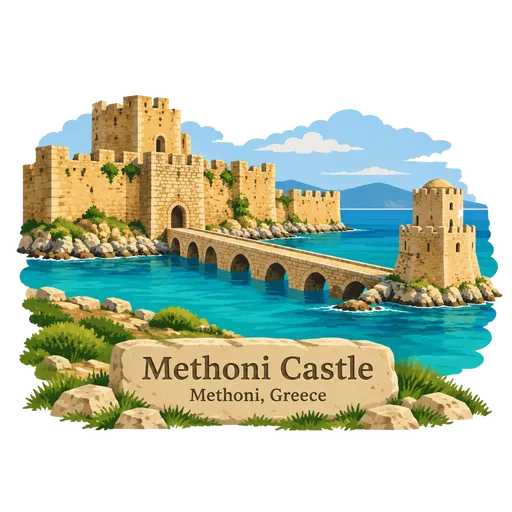
Methoni Castle
A medieval fortification on a cape in the port town of Methoni, in Messenia, built by the Venetians. It covers the whole headland and reaches a small islet with an octagonal tower, linked by a stone bridge.
-
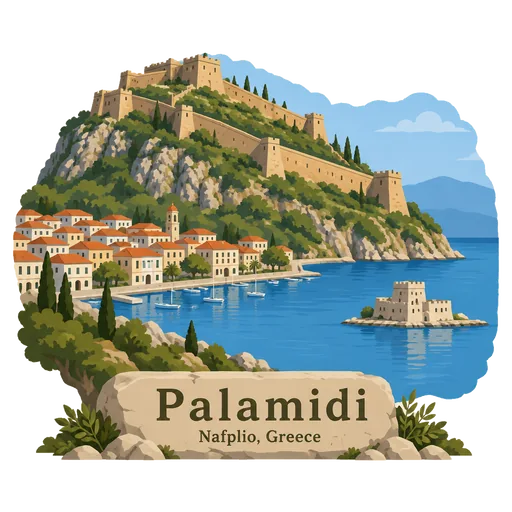
Palamidi
A fortress on a 216 metre hill above Nafplio, built by the Venetians during their second occupation of the area from 1686 to 1715. It is reached by a long stairway of about 900 steps and looks out over the Gulf of Argolis.
Collecting in Peloponnese
What are the best places to visit in Peloponnese?
LOQAH lists 17 places in Peloponnese. The best known include Ancient Theatre of Epidaurus, Archaeological Sites of Mycenae and Tiryns, Mystras, Sanctuary of Asclepius, Epidaurus and Temple of Apollo Epicurius in Bassae. Each has a stamp of its own to collect when you are there.
How many LOQAH stamps are there in Peloponnese?
17, and more are added over time. Each place has LOQAH's carefully crafted stamp of its own.
How do I collect a stamp in Peloponnese?
Open LOQAH at the place and get its stamp. LOQAH checks where you are once, at that moment; at the place itself the stamp is confirmed on site, with a gold badge.
I have been to places in Peloponnese before. Can I add them?
Yes. In Earlier trips, choose Peloponnese and swipe through its stamps, or import your Google Timeline. Each one goes into your volume with the date, if you know it.
More in Greece
Collect your first stamp.
LOQAH is free on iPhone and Android, in India and 40 more countries, with more countries on the way. Stand at a place, collect its stamp, and keep every trip in a passport that grows.