

Places to visit in Lazio, Italy
31 places to visit in Lazio, Italy, each with LOQAH's carefully crafted stamp of its own: Appian Way, Archbasilica of St John Lateran, Colosseum and more. Stand at any of them with the app open and the stamp is yours, confirmed on site, in your Lazio volume.
7 UNESCO World Heritage sites · 1 Heritage site · 22 Famous places to visit · 1 Hidden gem
UNESCO World Heritage sites in Lazio (7)
-
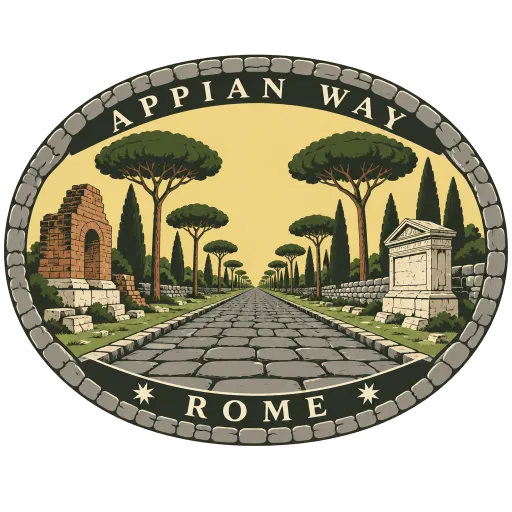
Appian Way
One of the earliest and most important Roman roads, begun in 312 BC by the censor Appius Claudius Caecus and later running all the way to Brindisi. The stretch leaving Rome still has its original paving stones, lined with tombs, pines and the entrances to catacombs.
-
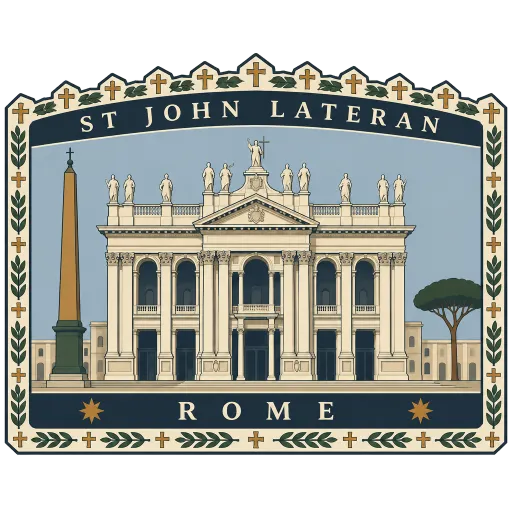
Archbasilica of St John Lateran
The cathedral of Rome and the seat of the pope as its bishop, which ranks it above every other Catholic church, St Peter's included. It is the only church in the world called an archbasilica, and its huge facade is crowned by statues of Christ and the saints.
-
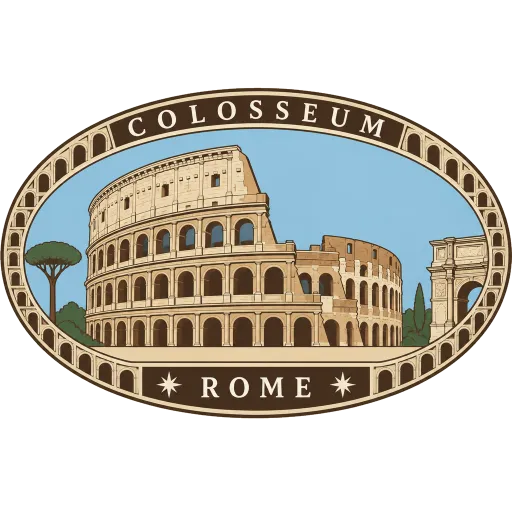
Colosseum
The largest amphitheatre the Romans ever built, begun under Vespasian in AD 72 and finished by his son Titus in AD 80. Its proper name, the Flavian Amphitheatre, comes from the family of emperors who paid for it, and its broken outer ring still stands over the eastern end of the Forum.
-
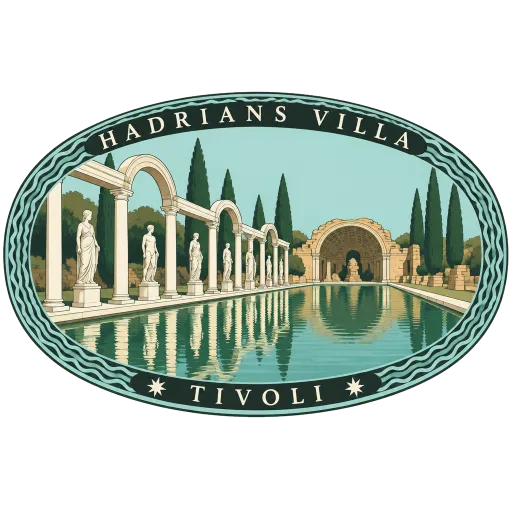
Hadrian's Villa
The vast country retreat the emperor Hadrian built around AD 120 near Tivoli, about 20 km from Rome. Its ruins spread over a whole hillside of pools, baths, libraries and colonnades, including the long Canopus pool lined with statues, and it is now a UNESCO World Heritage Site.
-
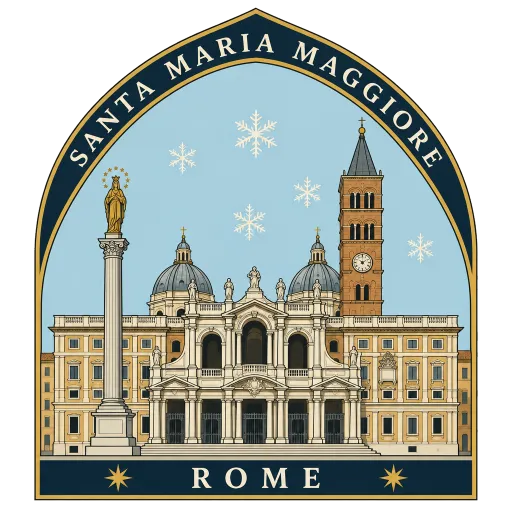
Santa Maria Maggiore
The largest church in Rome dedicated to the Virgin Mary, one of the four major papal basilicas and the Seven Pilgrim Churches. It is dedicated to Our Lady of the Snow, after a legend of snow falling here in August, and its nave keeps mosaics from the 5th century.
-
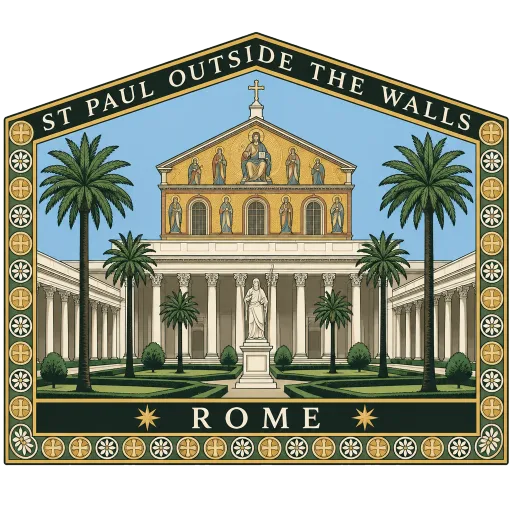
St Paul Outside the Walls
One of Rome's four major papal basilicas, built over the traditional tomb of the apostle Paul outside the old city walls. Its vast nave of columns is ringed by mosaic portraits of every pope, and it is still the church of the Benedictine abbey beside it.
-
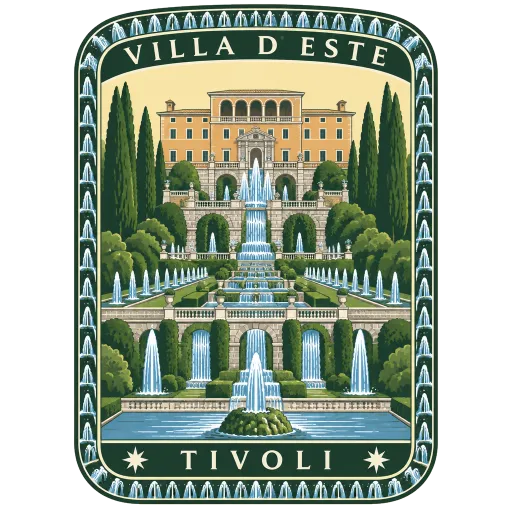
Villa d'Este
A 16th-century villa in Tivoli whose terraced hillside garden became a model for gardens across Europe. Hundreds of fountains, jets and water stairs are driven by gravity alone, and it has been a UNESCO World Heritage Site since 2001.
Heritage sites in Lazio (1)
-
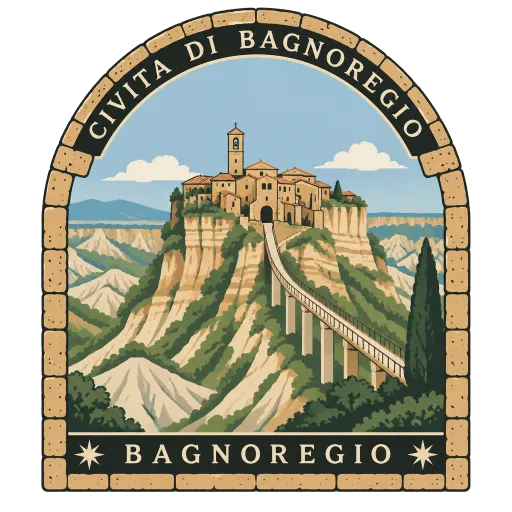
Civita di Bagnoregio
A tiny medieval village perched on a crumbling pinnacle of volcanic rock, about 120 km north of Rome. The only way in is a long footbridge from Bagnoregio across the valley, and the slow erosion of its cliffs earned it the name of the dying town.
Famous places to visit in Lazio (22)
-
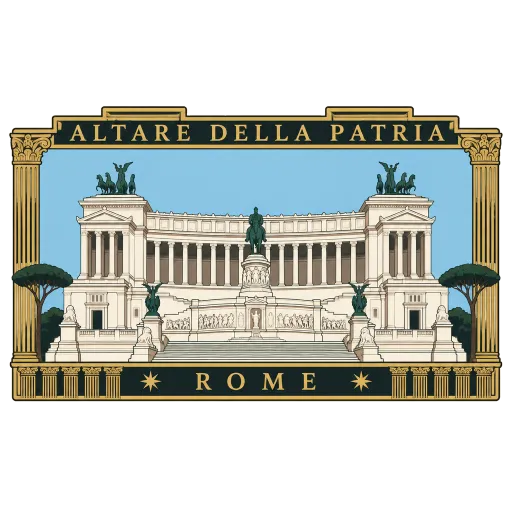
Altare della Patria
A vast white monument to Victor Emmanuel II, the first king of united Italy, built between 1885 and 1935 to a design by Giuseppe Sacconi. It rises in tiers of columns and statues above Piazza Venezia, and Romans have long given it nicknames like the wedding cake and the typewriter.
-
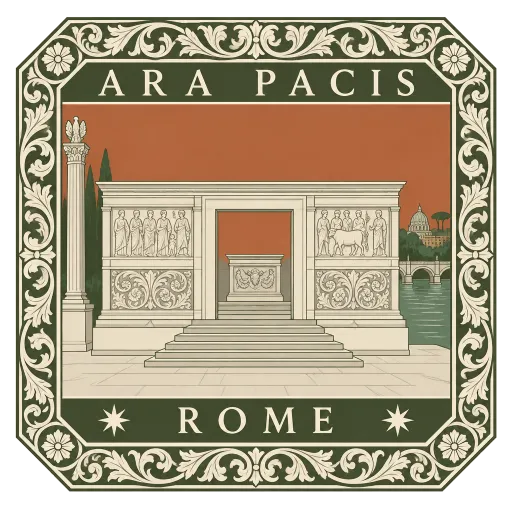
Ara Pacis
A marble altar to the Roman peace, commissioned by the Senate in 13 BC to honour Augustus on his return from Spain and Gaul. It lay buried under four metres of river silt for centuries and was reassembled in 1938 beside the Tiber, where it now stands inside its own museum.
-
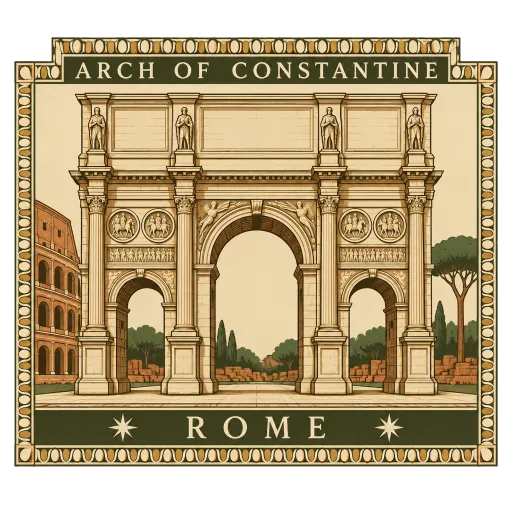
Arch of Constantine
The largest Roman triumphal arch, 21 metres high, raised by the Senate and dedicated in AD 315 to mark Constantine's victory at the Milvian Bridge. It stands between the Colosseum and the Palatine on the old triumphal route, and much of its carving was taken from earlier imperial monuments.
-
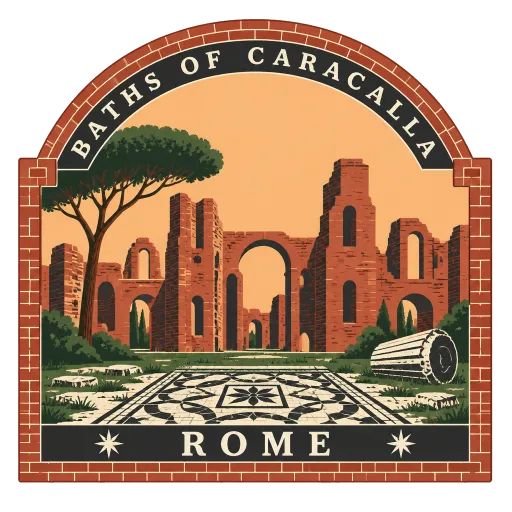
Baths of Caracalla
The shell of a huge public bath complex built around AD 212 to 216 under Septimius Severus and Caracalla, the second largest in Rome. Its brick walls still stand to great height, and in summer the ruins become an open-air stage for opera.
-
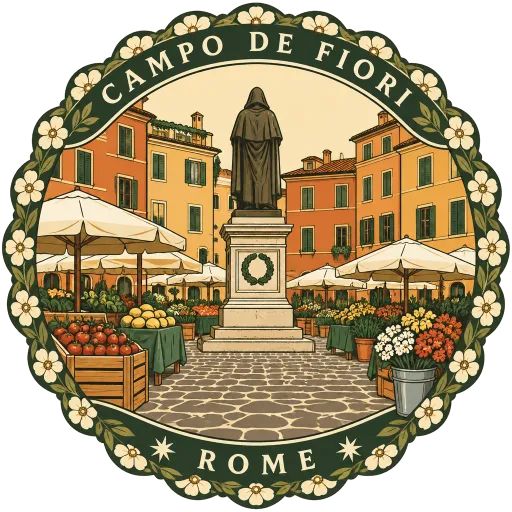
Campo de' Fiori
A rectangular square south of Piazza Navona whose name, the field of flowers, dates from the Middle Ages when it was still a meadow. A produce and flower market fills it in the mornings, under the hooded statue of the philosopher Giordano Bruno.
-
Capitoline Museums
Rome's own civic museums, set in two palaces that face each other across Michelangelo's Piazza del Campidoglio on the Capitoline Hill. Among the ancient pieces inside are the bronze she-wolf and the original equestrian statue of Marcus Aurelius.
-
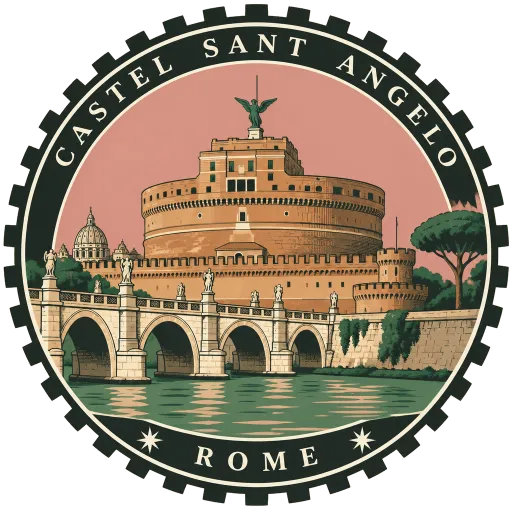
Castel Sant'Angelo
A great drum of stone on the Tiber, built by Hadrian as a tomb for himself and his family and later turned by the popes into a fortress. It was once the tallest building in Rome, and today it is a museum whose terrace, under the bronze Archangel Michael, looks straight down the river to St Peter's.
-
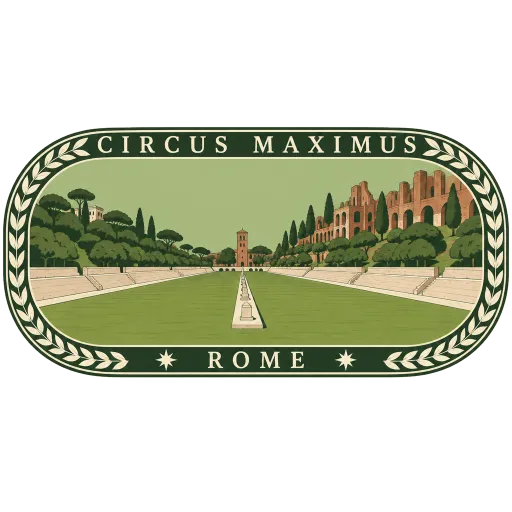
Circus Maximus
The valley between the Palatine and Aventine hills where ancient Rome raced its chariots, on a track 621 metres long that could hold more than 150,000 spectators. Little stonework survives, but the long grassy oval is now a public park that keeps the shape of the course.
-
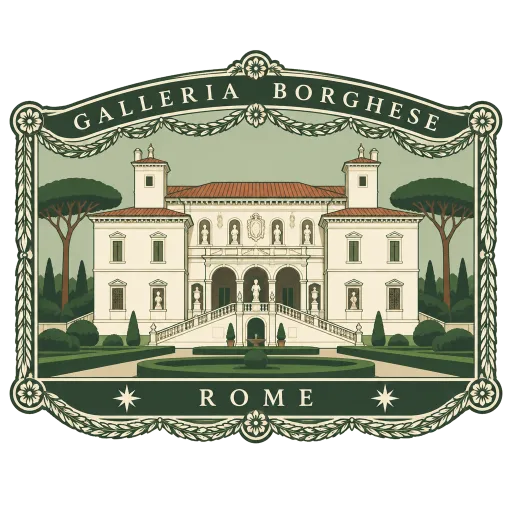
Galleria Borghese
The private art collection of Cardinal Scipione Borghese, nephew of Pope Paul V, still shown in the villa he had built to house it. Its rooms hold Bernini's marble sculptures, including Apollo and Daphne, alongside paintings by Caravaggio, Raphael and Titian.
-
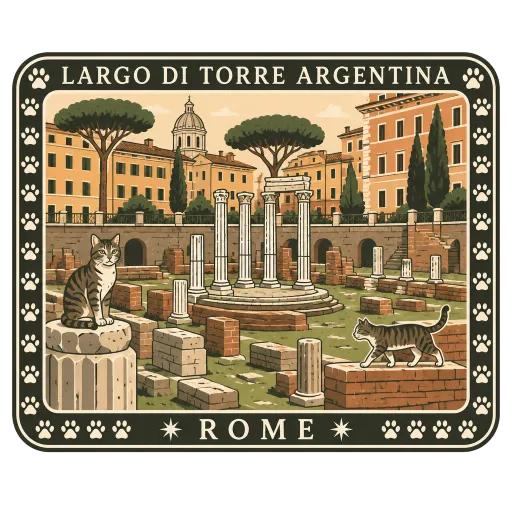
Largo di Torre Argentina
A sunken square in the middle of modern traffic, holding four temples from the Roman Republic and part of the remains of Pompey's Theatre. It lies in the ancient Campus Martius, and a colony of cats now lives among the columns.
-
Ostia Antica
The excavated port city of ancient Rome, at what was once the mouth of the Tiber, about 25 km from the capital. Silt has since pushed the sea 3 km away, leaving streets of shops, apartment blocks, baths and a theatre to walk through, its name from the Latin os, mouth.
-
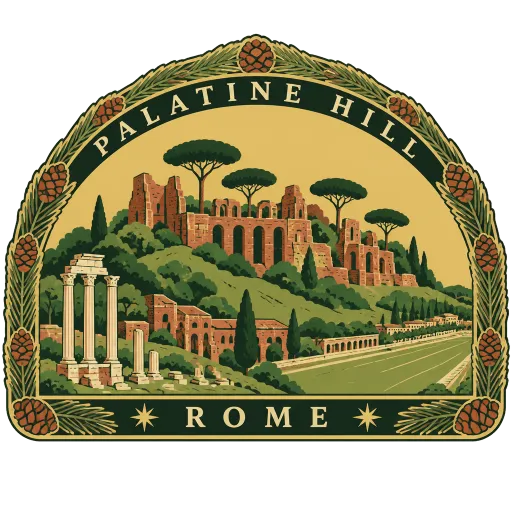
Palatine Hill
The centremost of Rome's seven hills and one of the oldest inhabited parts of the city, where emperors later built their palaces. Today it is an open-air museum of ruins and pine trees, looking down on the Forum on one side and the Circus Maximus on the other.
-
Pantheon
A Roman temple first built under Augustus and rebuilt by Hadrian, now a church and still in use almost two thousand years on. Its unreinforced concrete dome, open to the sky through a single round oculus, lets in a moving disc of sunlight and the occasional shower of rain.
-
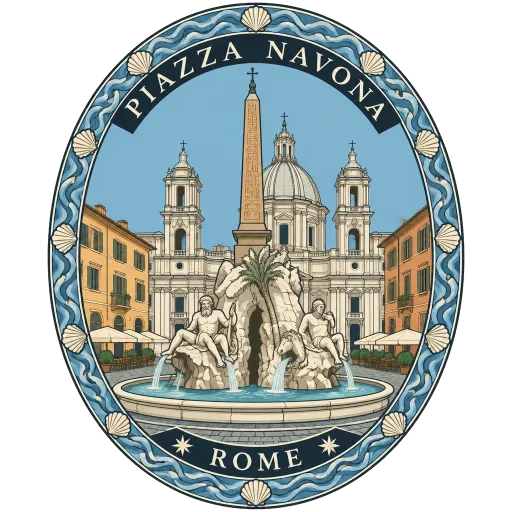
Piazza Navona
A long oval square that keeps the exact shape of the Stadium of Domitian, built here in the 1st century AD for athletic games. Three fountains run down its length, with Bernini's Fountain of the Four Rivers at the centre, and the old running track is now lined with cafes and Baroque church fronts.
-
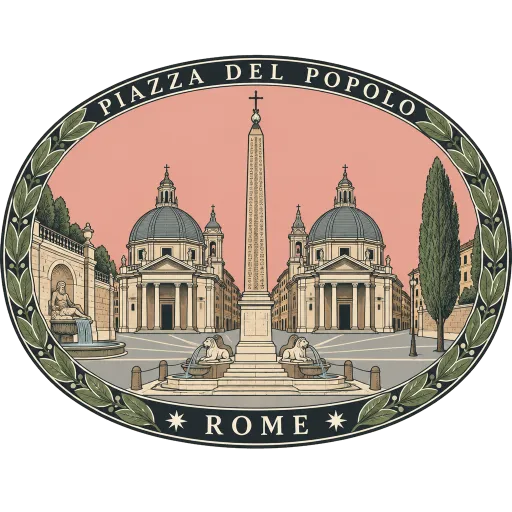
Piazza del Popolo
A large oval square just inside Rome's old northern gate, with an Egyptian obelisk at its centre. Its name is usually read as the People's Square, but it really comes from the poplars that gave the church of Santa Maria del Popolo, in its northeast corner, its name.
-
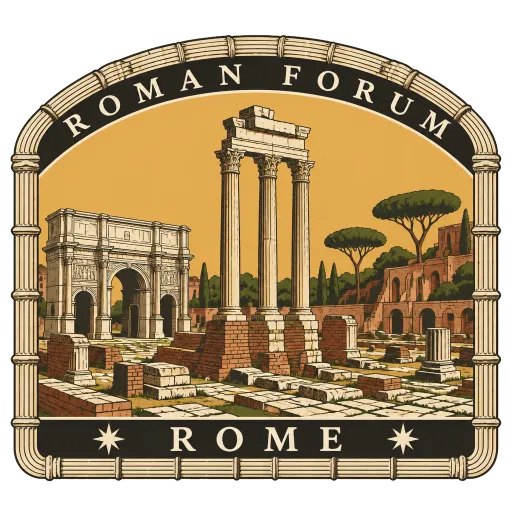
Roman Forum
A long rectangle of columns, arches and temple footings that was once the centre of public life in ancient Rome. It began as a marketplace and grew into the place where Romans voted, traded, heard speeches and held triumphs, with the Palatine on one side and the Capitoline on the other.
-
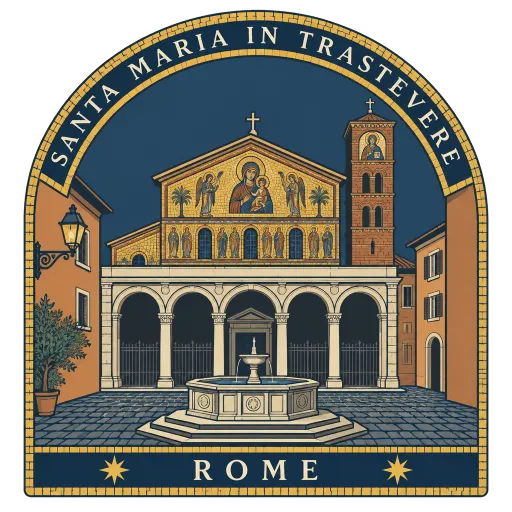
Santa Maria in Trastevere
Traditionally one of the oldest churches in Rome dedicated to the Virgin Mary, at the heart of the Trastevere quarter. The present building was largely rebuilt under Pope Innocent II in the 12th century, and its gold medieval mosaics glow across the apse and the facade over the piazza.
-
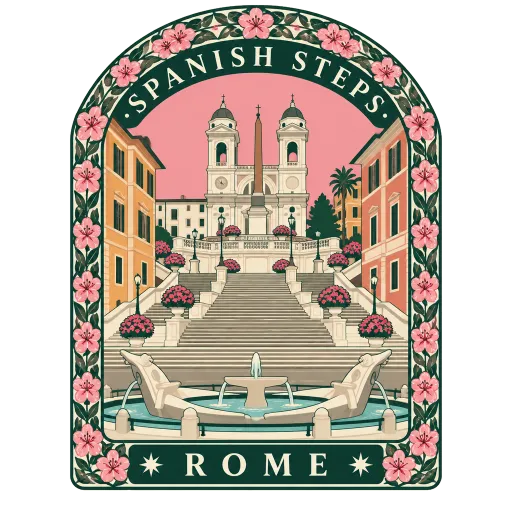
Spanish Steps
A broad, curving flight of steps climbing from Piazza di Spagna up to the twin towers of the Trinità dei Monti church. The square at the bottom takes its name from the Spanish embassy nearby, and the steps themselves have long been Rome's favourite place to sit and watch the street.
-
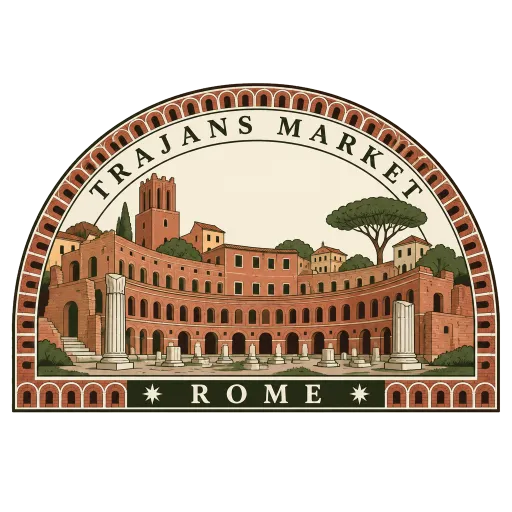
Trajan's Market
A large brick complex built as part of Trajan's Forum and set into the cut-away flank of the Quirinal Hill. Its curving halls, arcades and upper streets give a rare sense of what a working ancient Roman building felt like, and it now houses the Museum of the Imperial Forums.
-
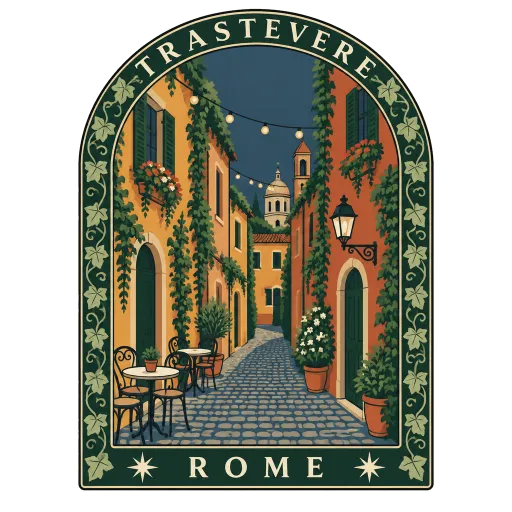
Trastevere
The old quarter across the Tiber, its name from the Latin trans Tiberim, beyond the Tiber. Narrow cobbled lanes, ivy on the walls and small trattorias fill the streets around its old basilica of Santa Maria, and it is at its liveliest after dark.
-
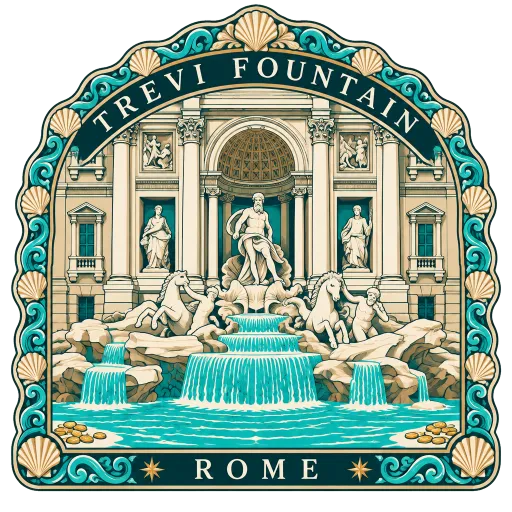
Trevi Fountain
The largest Baroque fountain in the world, 26 metres high and nearly 50 wide, designed by Nicola Salvi and finished in 1762. Ocean rides a shell chariot out of the palace wall above the basin, and tradition says a coin tossed over your shoulder means you will return to Rome.
-
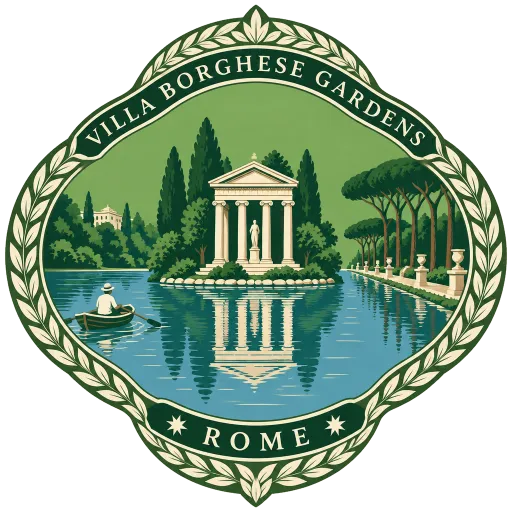
Villa Borghese Gardens
A landscaped park on the edge of the old city, laid out around the party villa of Cardinal Scipione Borghese and remade in the late 19th century. Shaded avenues lead to museums, a small lake with a temple and the Pincio terrace, which looks out over Piazza del Popolo.



Hidden gems in Lazio (1)
-
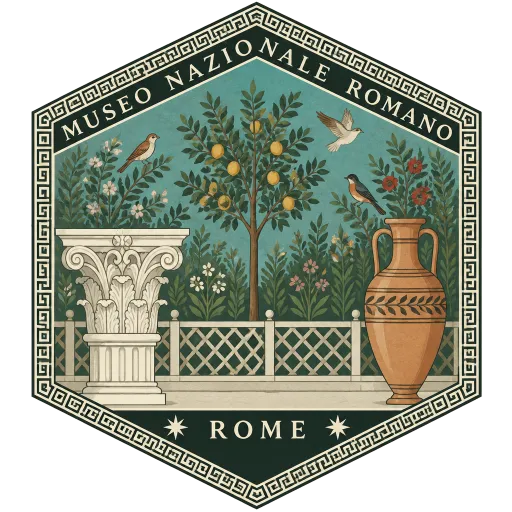
Museo Nazionale Romano
Rome's national museum of antiquity, spread over several buildings, with its main branches near Termini station in Palazzo Massimo and the Baths of Diocletian. Its collections cover the city from prehistory through the Roman period, from frescoed villa rooms to bronze and marble statues.
Collecting in Lazio
What are the best places to visit in Lazio?
LOQAH lists 31 places in Lazio. The best known include Appian Way, Archbasilica of St John Lateran, Colosseum, Hadrian's Villa and Santa Maria Maggiore. Each has a stamp of its own to collect when you are there.
How many LOQAH stamps are there in Lazio?
31, and more are added over time. Each place has LOQAH's carefully crafted stamp of its own.
How do I collect a stamp in Lazio?
Open LOQAH at the place and get its stamp. LOQAH checks where you are once, at that moment; at the place itself the stamp is confirmed on site, with a gold badge.
I have been to places in Lazio before. Can I add them?
Yes. In Earlier trips, choose Lazio and swipe through its stamps, or import your Google Timeline. Each one goes into your volume with the date, if you know it.
More in Italy
Collect your first stamp.
LOQAH is free on iPhone and Android, in India and 20 more countries, with more countries on the way. Stand at a place, collect its stamp, and keep every trip in a passport that grows.