

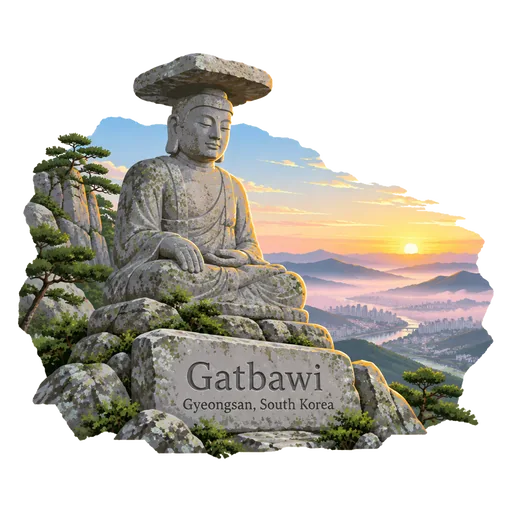
Gatbawi
A stone seated Medicine Buddha on Gwanbong Peak of Mount Palgong, in Gyeongsan, North Gyeongsang Province. It was carved in the Unified Silla era and is known by the nickname Gatbawi, meaning hat rock, for the flat stone slab on its head.
- Where
- Gyeongsan, North Gyeongsang, South Korea
- Grade
- Local gem
- Worth
- 10 points collected on site
- Coordinates
- 35.9815, 128.7364
Get the Gatbawi stamp
Open LOQAH when you are at Gatbawi. It checks where you are once, at that moment, and the stamp is yours: confirmed on site in gold and struck with the date. It goes into your North Gyeongsang volume with your photos and a note.
Near Gatbawi
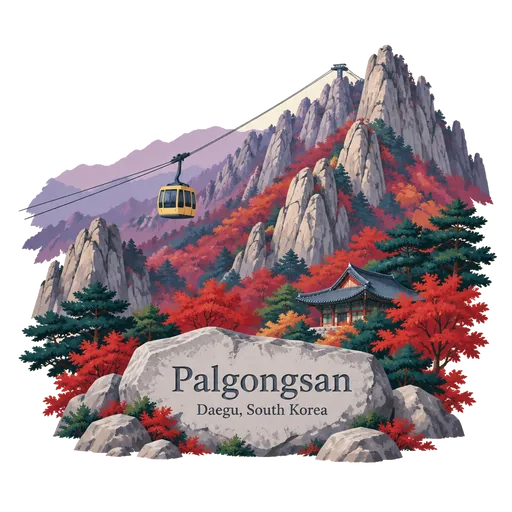
Palgongsan 5.4 km
A mountain in southeastern South Korea on an outlier of the Taebaek range, standing on the northeastern border of Daegu. It was once called Gongsan, and it is a provincial park known for its temples and a cable car to the ridge.
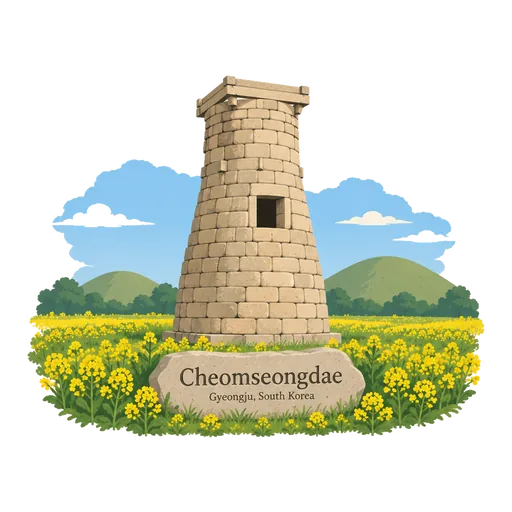
Cheomseongdae 46 km
A stone tower in Gyeongju from the Silla era, often called the oldest surviving astronomical observatory in Asia. The bottle shaped tower was built in the 7th century and stands about nine metres tall.
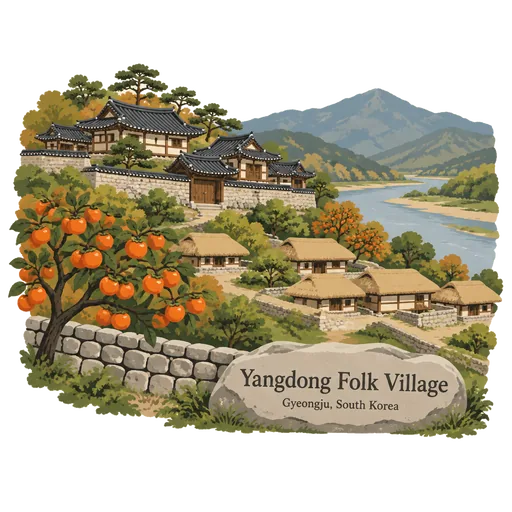
Yangdong Folk Village 47 km
A traditional yangban village from the Joseon period in Gangdong-myeon, sixteen kilometres northeast of Gyeongju, beside the Hyeongsan River with Mount Seolchang to the north. Its tiled and thatched houses date from the 15th century onward, and it is a UNESCO World Heritage Site.
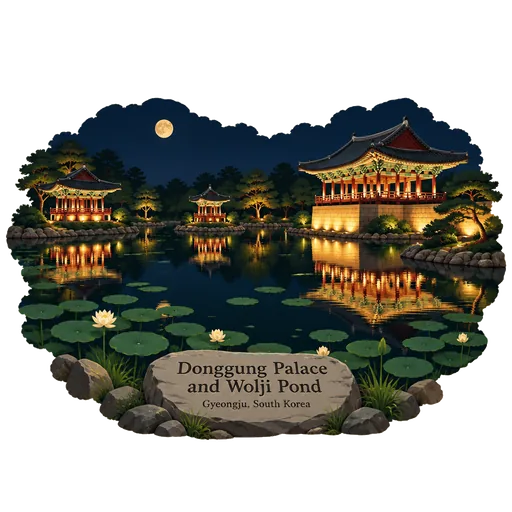
Donggung Palace and Wolji Pond 47 km
A former Silla palace site and garden pond in Gyeongju, also known as Anapji. The pond is lit at night, and pavilions reflect on its water; many objects from the Silla court were found here in the 1970s.
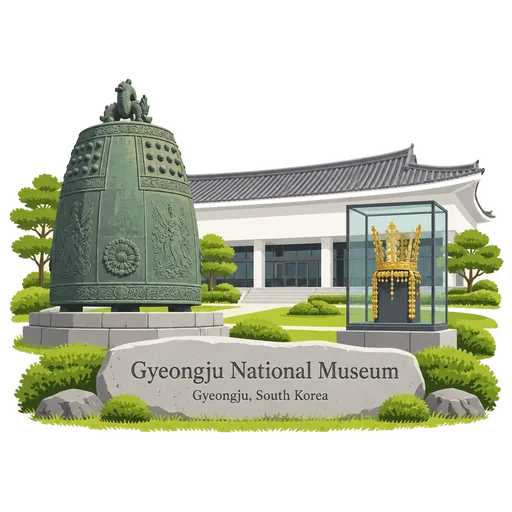
Gyeongju National Museum 47 km
A museum in Gyeongju whose collections are largely devoted to relics of the Silla kingdom, of which Gyeongju was the capital. Its holdings include gold crowns from royal tombs and the Divine Bell of King Seongdeok.
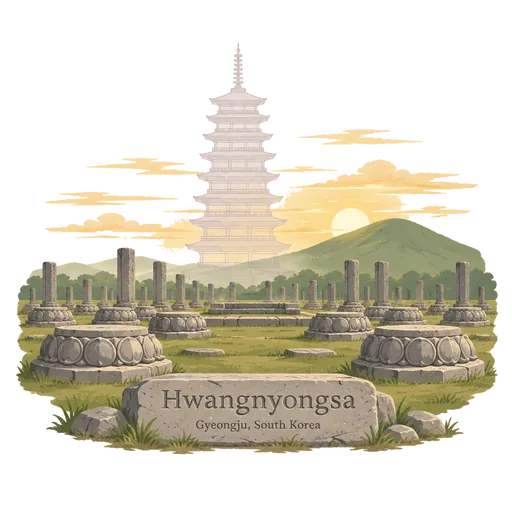
Hwangnyongsa 47 km
The site of a large Silla Buddhist temple in Gyeongju, built in the 6th century. It once held a nine storey wooden pagoda, and the temple was destroyed by Mongol invaders in the 13th century. The foundations remain.
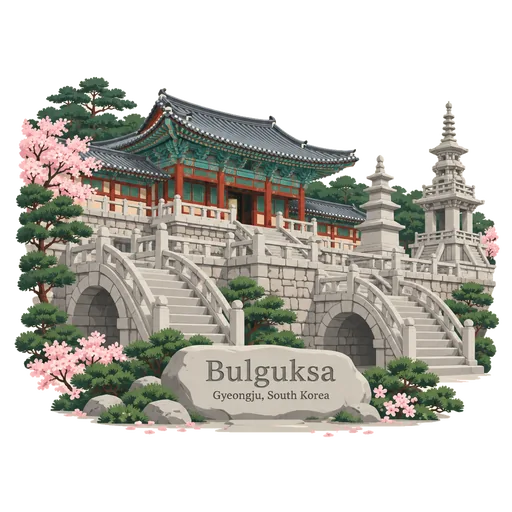
Bulguksa 58 km
A Buddhist temple on the slopes of Tohamsan, in Gyeongju. It was first built in the Silla period and is known for its stone bridges and pagodas, and it is a UNESCO World Heritage Site.
Bangudae Petroglyphs 58 km
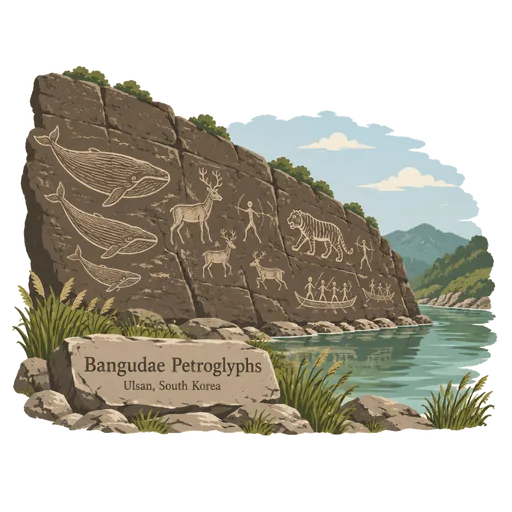
Prehistoric engravings on a riverside rock face on the Daegok stream near Ulsan. They show whales, animals and hunting scenes carved by people thousands of years ago, and they are a national treasure of Korea.
More hidden gems in North Gyeongsang
Questions
Where is Gatbawi?
Gatbawi is in Gyeongsan, North Gyeongsang, South Korea. The nearest other LOQAH stamps are Palgongsan (5.4 km), Cheomseongdae (46 km), Yangdong Folk Village (47 km).
How do I get the Gatbawi stamp?
Open LOQAH when you are at Gatbawi and get its stamp. The app checks where you are once, at that moment, and the stamp goes into your North Gyeongsang volume, confirmed on site, with the date.
I have been to Gatbawi before. Can I still have the stamp?
Yes. Add it from Earlier trips in your North Gyeongsang volume, with the date if you know it, or import your Google Timeline and LOQAH matches the places you were.
Collect your first stamp.
LOQAH is free on iPhone and Android, in India and 40 more countries, with more countries on the way. Stand at a place, collect its stamp, and keep every trip in a passport that grows.