
Places to visit in South Korea
124 places to visit in South Korea, each with LOQAH's carefully crafted stamp of its own: Bangudae Petroglyphs, Beopjusa, Bongjeongsa and more. Stand at any of them with the app open and the stamp is yours, confirmed on site, in a volume for its state or province, filed under South Korea on your shelf.
124 travel stamps in 15 states and provinces
The best known in South Korea
-
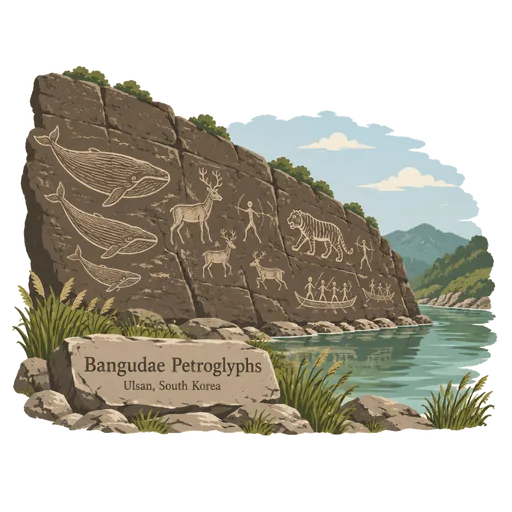
Bangudae Petroglyphs
Prehistoric engravings on a riverside rock face on the Daegok stream near Ulsan. They show whales, animals and hunting scenes carved by people thousands of years ago, and they are a national treasure of Korea.
-
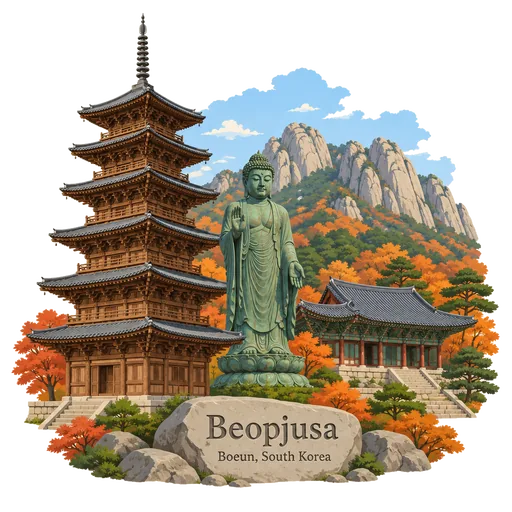
Beopjusa
A head temple of the Jogye Order of Korean Buddhism on the slopes of Songnisan, in Naesongni-myeon, Boeun County. Its five storey wooden pagoda, Palsangjeon, is the tallest of its kind in Korea, and a large bronze Buddha stands in the grounds.
-
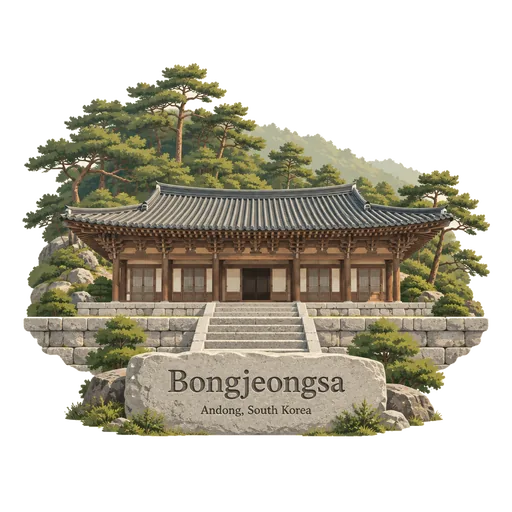
Bongjeongsa
A Korean Buddhist temple on the slopes of Mount Cheondeung in Andong, North Gyeongsang Province, and a subsidiary temple of Gounsa. Its Geungnakjeon hall is among the oldest surviving wooden buildings in Korea, and the temple is part of a UNESCO World Heritage listing.
-
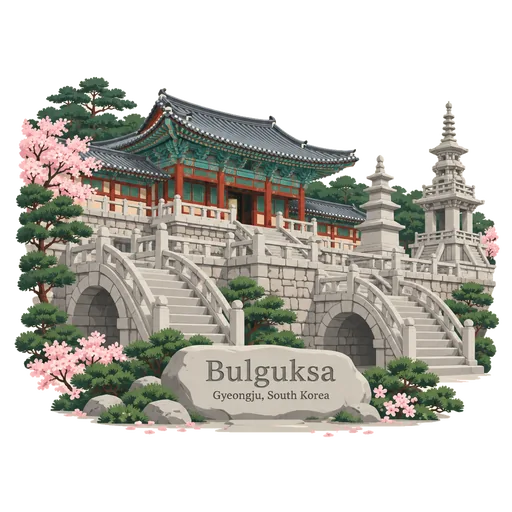
Bulguksa
A Buddhist temple on the slopes of Tohamsan, in Gyeongju. It was first built in the Silla period and is known for its stone bridges and pagodas, and it is a UNESCO World Heritage Site.
-
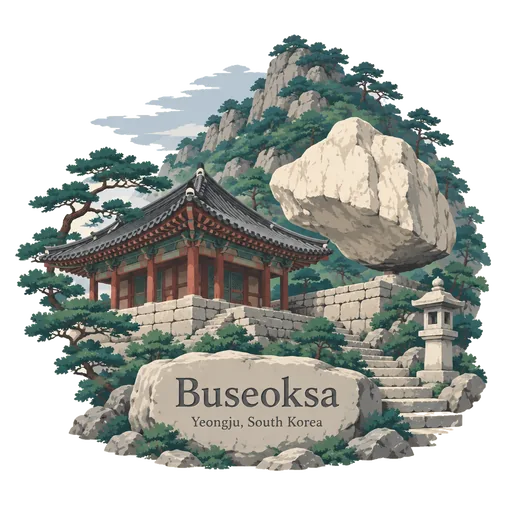
Buseoksa
A Buddhist temple near the mountain Bonghwangsan in Buseok-myeon, Yeongju, founded in 676 by the scholar-monk Uisang. Its Muryangsujeon hall is among the oldest wooden buildings in Korea, and the temple is a UNESCO World Heritage Site.
-
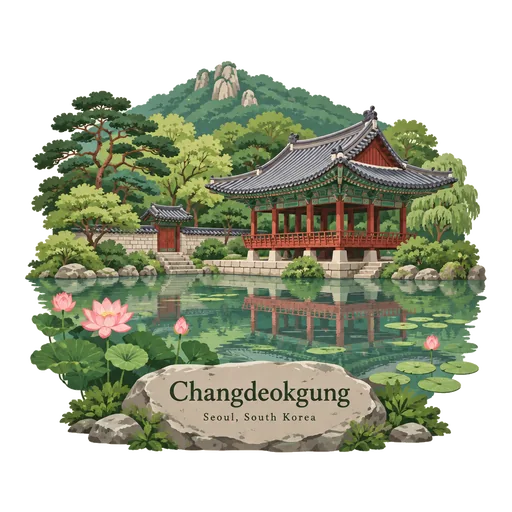
Changdeokgung
A former royal palace in Seoul, founded in 1405 as a second residence beside Gyeongbokgung. It is among the best preserved of Korea's palaces, and its rear garden, the Huwon, is a wooded retreat of ponds and pavilions. It is a UNESCO World Heritage Site.
-
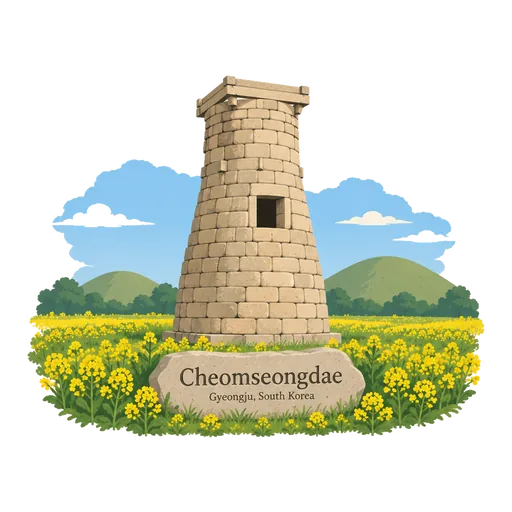
Cheomseongdae
A stone tower in Gyeongju from the Silla era, often called the oldest surviving astronomical observatory in Asia. The bottle shaped tower was built in the 7th century and stands about nine metres tall.
-
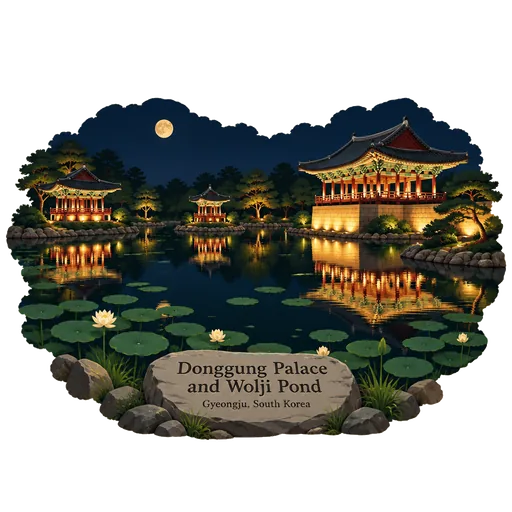
Donggung Palace and Wolji Pond
A former Silla palace site and garden pond in Gyeongju, also known as Anapji. The pond is lit at night, and pavilions reflect on its water; many objects from the Silla court were found here in the 1970s.
-
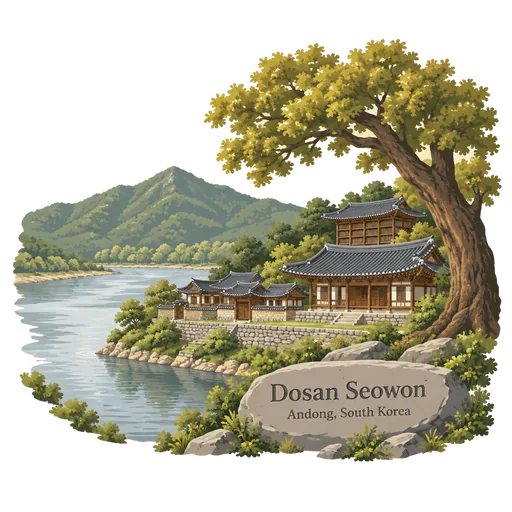
Dosan Seowon
A Confucian academy in Andong, established in 1574 in memory of the scholar Yi Hwang, four years after his death, by some of his disciples. Yi Hwang had retired to this site to teach, and the academy is part of a UNESCO listing of Korean seowon.
-
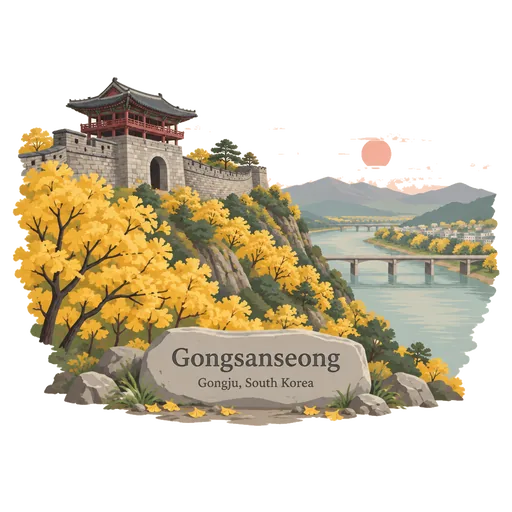
Gongsanseong
A castle on a ridge above the Geum River in Gongju, South Chungcheong Province. It was the royal fortress of the Baekje kingdom when Gongju was its capital in the 5th and 6th centuries, and it is a UNESCO World Heritage Site.
-
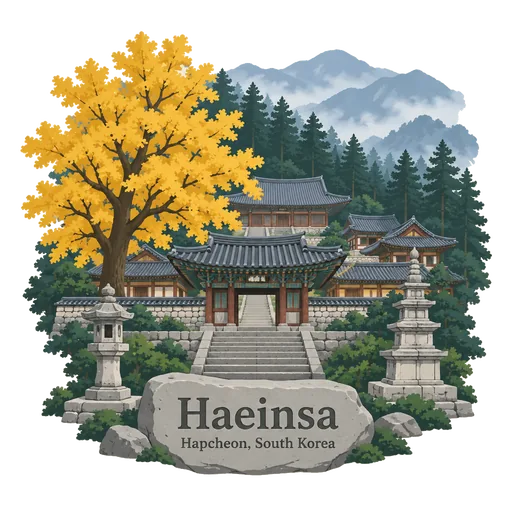
Haeinsa
A Buddhist temple in Gayasan National Park, the head temple of the Jogye Order. It houses the Tripitaka Koreana, more than 81,000 wooden printing blocks carved in the 13th century, and it is a UNESCO World Heritage Site.
-
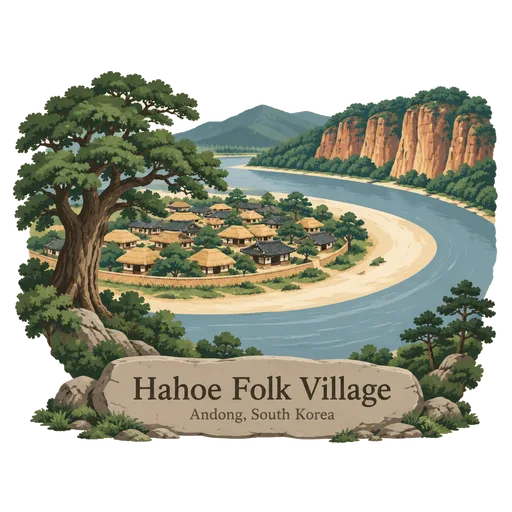
Hahoe Folk Village
A traditional village from the Joseon dynasty near Andong in North Gyeongsang Province, set in a tight bend of the Nakdong River. Its name means river that turns around. Its tiled and thatched houses are still lived in, and it is a UNESCO World Heritage Site.
South Korea by state and province
- Seoul44 stamps
- North Gyeongsang14 stamps
- Busan10 stamps
- Gyeonggi9 stamps
- Jeju9 stamps
- South Gyeongsang7 stamps
- South Jeolla7 stamps
- Incheon6 stamps
- Gangwon5 stamps
- South Chungcheong5 stamps
- North Chungcheong3 stamps
- North Jeolla2 stamps
- Daegu1 stamp
- Gwangju1 stamp
- Ulsan1 stamp
Collecting in South Korea
Does LOQAH have stamps in South Korea?
Yes. 124 places in South Korea have LOQAH's carefully crafted stamp, among them Bangudae Petroglyphs, Beopjusa, Bongjeongsa. More are added over time.
How do I collect a stamp in South Korea?
The same way as anywhere: open LOQAH at the place and get its stamp. LOQAH checks where you are once, at that moment, and the stamp is confirmed on site, with a gold badge and the date.
How are my South Korea stamps kept?
Each state or province you collect in gets a volume of its own, and the volumes sit together under South Korea on your shelf.
I have been to South Korea before. Can I add those trips?
Yes. In Earlier trips, choose South Korea and swipe through its stamps, or import your Google Timeline: it is read on your phone and only the places it matches are added.
More countries
Collect your first stamp.
LOQAH is free on iPhone and Android, in India and 40 more countries, with more countries on the way. Stand at a place, collect its stamp, and keep every trip in a passport that grows.