
Places to visit in Istanbul, Türkiye
35 places to visit in Istanbul, Türkiye, each with LOQAH's carefully crafted stamp of its own: Basilica Cistern, Blue Mosque, Chora Church and more. Stand at any of them with the app open and the stamp is yours, confirmed on site, in your Istanbul volume.
5 UNESCO World Heritage sites · 21 Famous places to visit · 9 Hidden gems
UNESCO World Heritage sites in Istanbul (5)
-
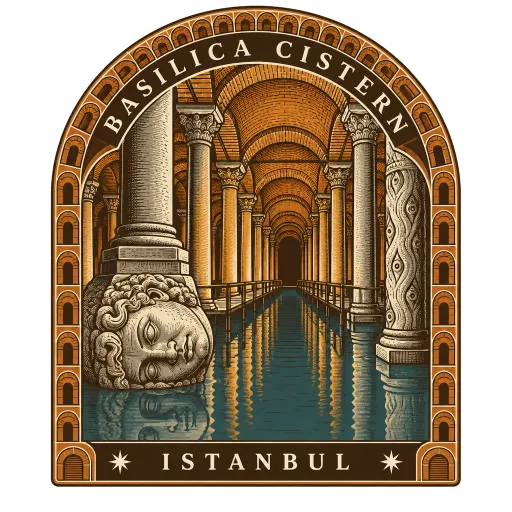
Basilica Cistern
The largest of the hundreds of ancient cisterns beneath Istanbul, built in the 6th century under Emperor Justinian I a short walk from Hagia Sophia. Walkways run between rows of columns above shallow water, and two carved Medusa heads sit at the base of columns in one corner.
-
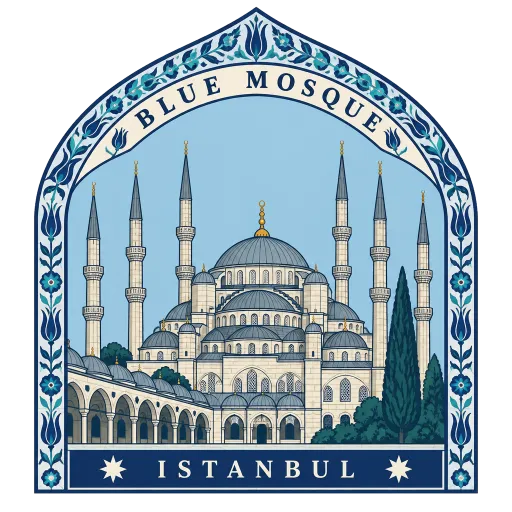
Blue Mosque
Built between 1609 and 1617 for Sultan Ahmed I, it faces Hagia Sophia across the old Hippodrome. Its popular name comes from the blue İznik tiles lining the interior, and it rises in cascading domes to six minarets.
-
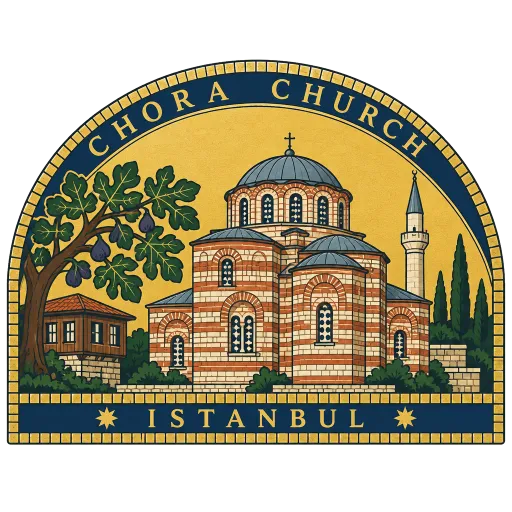
Chora Church
A Byzantine church in Edirnekapı, now the Kariye Mosque, famous for its Late Byzantine mosaics and frescos. They cover its domes and walls with scenes from the lives of Christ and the Virgin.
-
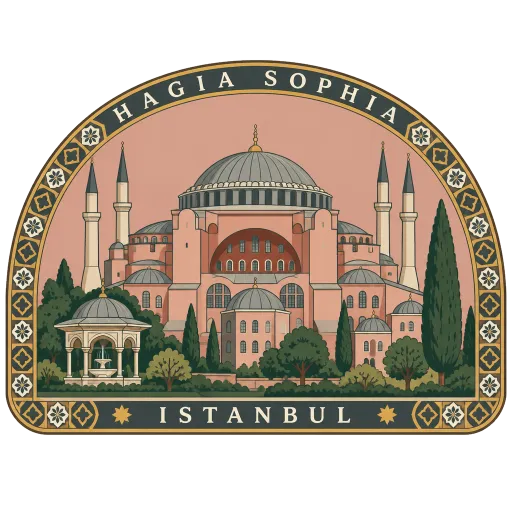
Hagia Sophia
Completed in AD 537 for the Eastern Roman Empire, its great pendentive dome made it the largest interior space in the world. It was the cathedral of Constantinople until 1453, then a mosque with added minarets, a museum from 1935, and a mosque again since 2020.
-
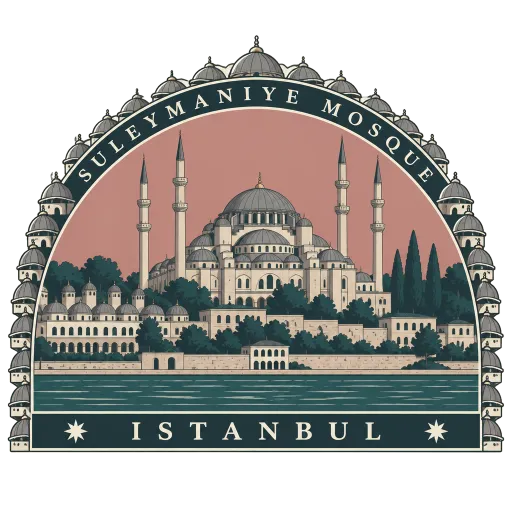
Süleymaniye Mosque
Commissioned by Suleiman the Magnificent and designed by Mimar Sinan, founded in 1550 and inaugurated in 1557 on the Third Hill. Its terraces look down over the Golden Horn, and Suleiman's tomb lies in the garden behind it.
Famous places to visit in Istanbul (21)
-
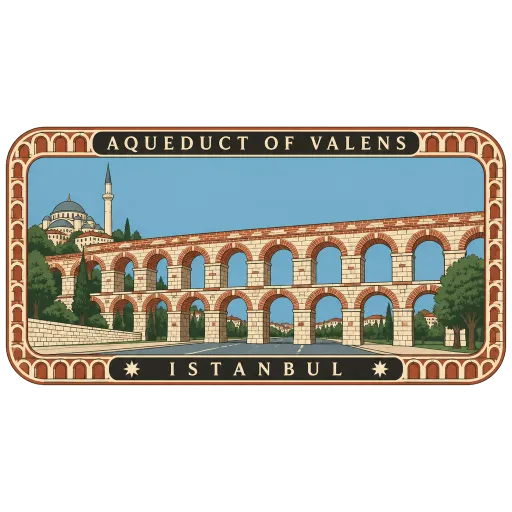
Aqueduct of Valens
Completed in 373 by Emperor Valens to carry water into Constantinople, and kept in use by the Byzantines and Ottomans for centuries. A long stretch of its double row of arches still strides over a main road in Fatih.
-
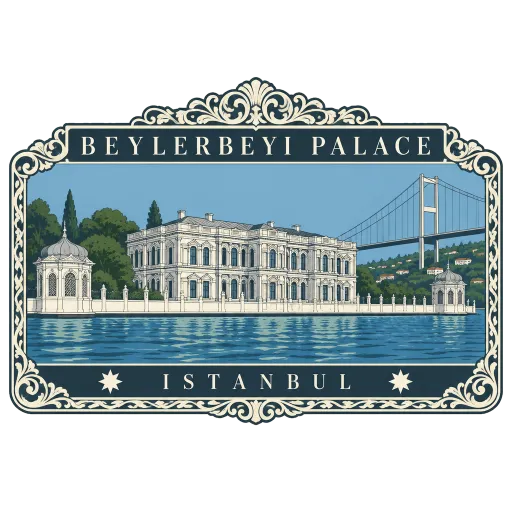
Beylerbeyi Palace
A summer palace on the Asian shore of the Bosphorus, built for Sultan Abdulaziz between 1861 and 1865 and used to host foreign dignitaries. Neo-Baroque outside and Ottoman in its decoration within, it is now a museum.
-
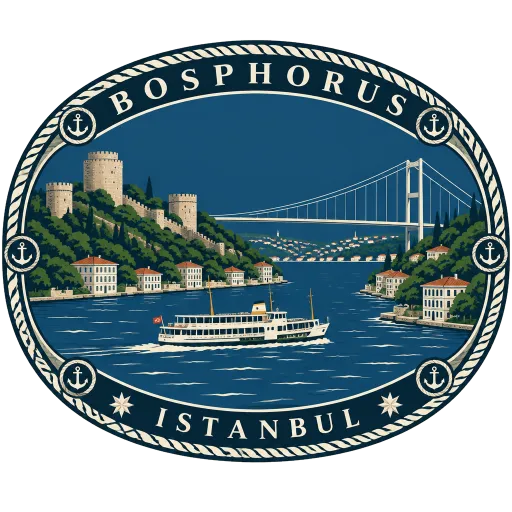
Bosphorus
The strait that joins the Black Sea to the Sea of Marmara and divides Istanbul between Europe and Asia. It is the world's narrowest strait used for international navigation, and ferries cross it past palaces, fortresses and waterside mansions.
-
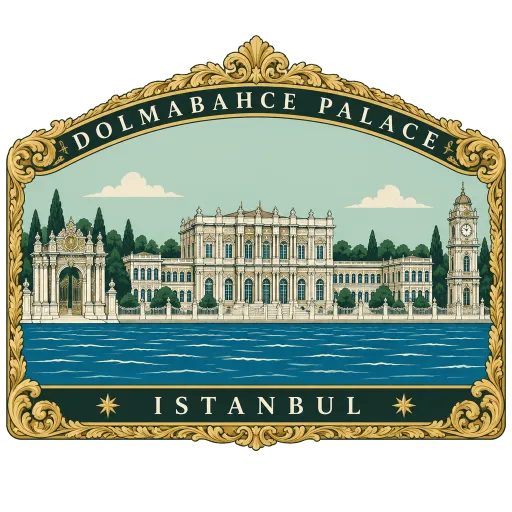
Dolmabahçe Palace
A 19th-century imperial palace stretched along the European shore of the Bosphorus, the main seat of Ottoman government from 1853 to 1887 and again from 1909 to 1922. Its interiors are heavy with gilding and crystal, and Atatürk died here in 1938.
-
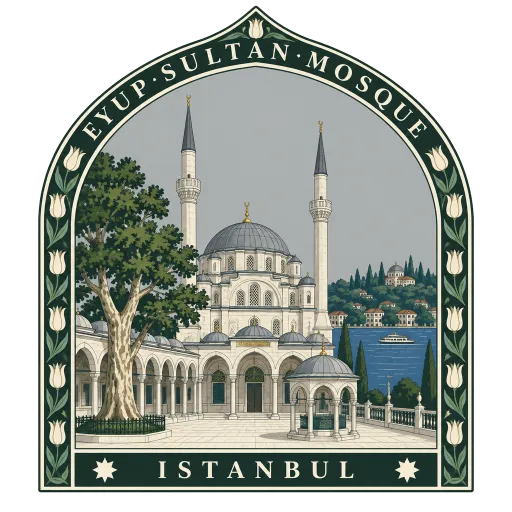
Eyüp Sultan Mosque
A mosque complex around the tomb of Ebu Eyüp el-Ansari, standard-bearer and companion of the Prophet Muhammad, near the top of the Golden Horn. The present building dates from the early 19th century, on a much older site.
-
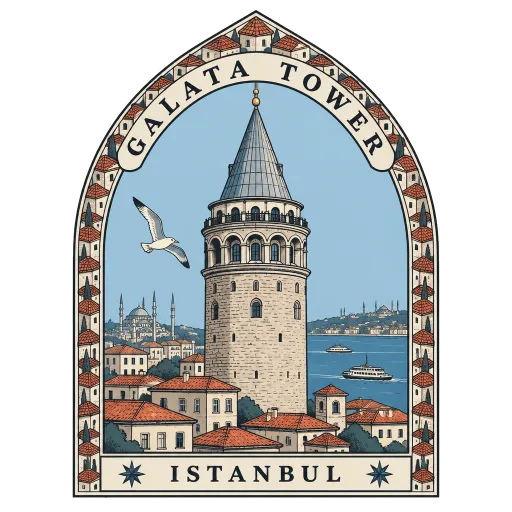
Galata Tower
A medieval Genoese watchtower built at the highest point of the old Galata walls, now a museum. Its round stone shaft and conical cap rise over Beyoğlu, and the gallery near the top looks across the Golden Horn to the old city.
-
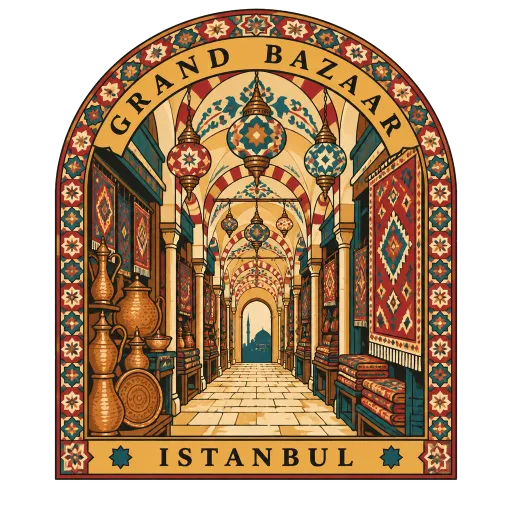
Grand Bazaar
One of the oldest and largest covered markets in the world, with 61 vaulted streets and more than 4,000 shops selling carpets, lamps, gold and leather. It is often called one of the first shopping malls.
-
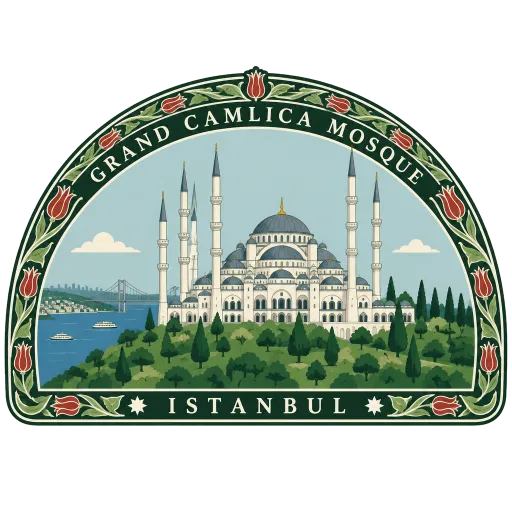
Grand Çamlıca Mosque
Opened in 2019 on Çamlıca Hill in Üsküdar, with room for up to 63,000 worshippers, it is the largest mosque in Turkey. Its domes and minarets are visible from much of the city, and the complex also holds an art gallery and a library.
-
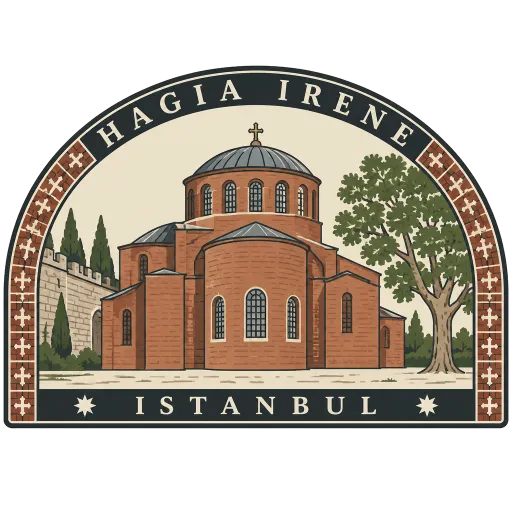
Hagia Irene
The oldest known church building in Istanbul, standing in the outer courtyard of Topkapı Palace. It was never turned into a mosque because the Ottomans used it as an arsenal, and it now serves as a museum and concert hall.
-
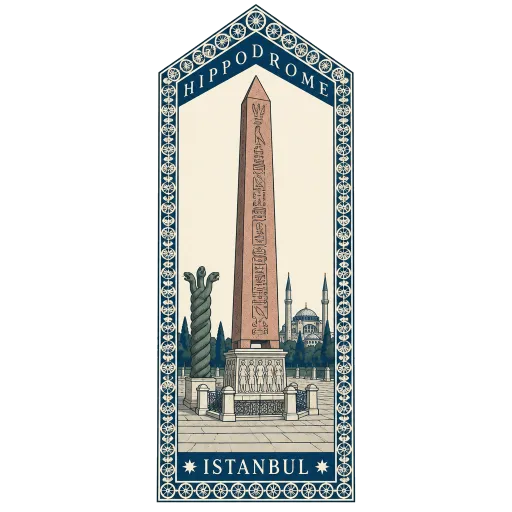
Hippodrome of Constantinople
The chariot-racing circus that was the sporting and social centre of Byzantine Constantinople, now an open square beside the Blue Mosque. Along its old line stand an Egyptian obelisk and the bronze Serpent Column.
-
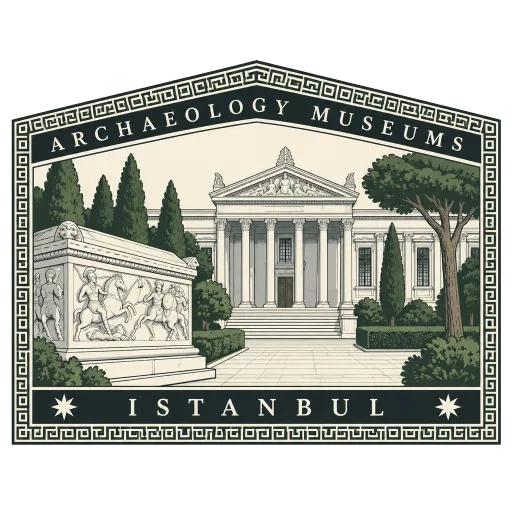
Istanbul Archaeology Museums
Three museums beside Gülhane Park and Topkapı Palace, together holding over a million objects from almost every period of history. Among them is the Alexander Sarcophagus, carved with scenes of battle and the hunt.
-
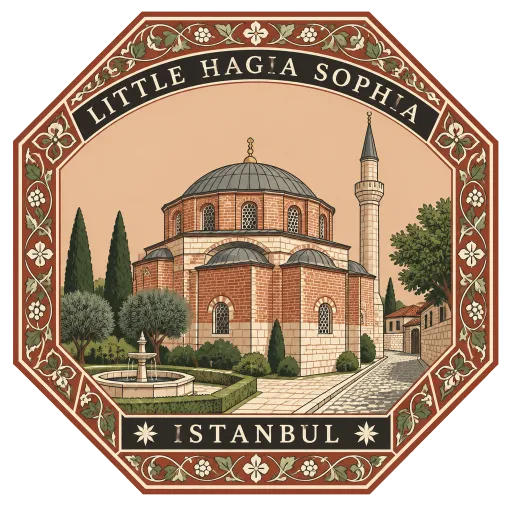
Little Hagia Sophia
Built in the 520s or 530s as the Church of Saints Sergius and Bacchus, it was converted into a mosque under the Ottomans. Its compact domed hall sits in a quiet corner of the old city, downhill from Sultanahmet.
-
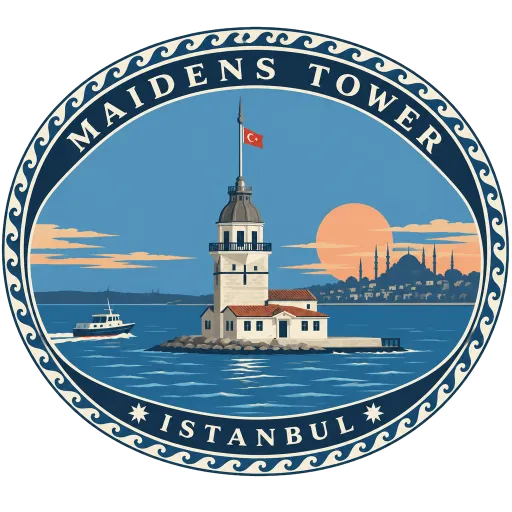
Maiden's Tower
A tower on a tiny islet at the southern entrance of the Bosphorus, about 200 metres off the shore of Üsküdar. Known since Byzantine times as Leander's Tower, it has served as a lighthouse and is reached by small boat.
-
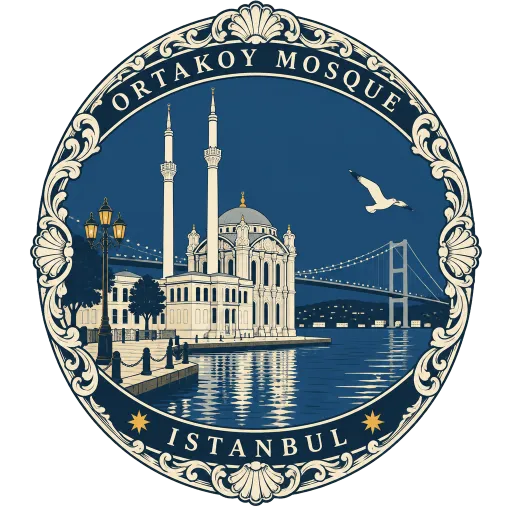
Ortaköy Mosque
A small Baroque-style mosque on the waterside pier square at Ortaköy, completed around 1854 or 1856 for Sultan Abdülmecid I. Seen against the Bosphorus Bridge behind it, it makes one of the most photographed views in the city.
-
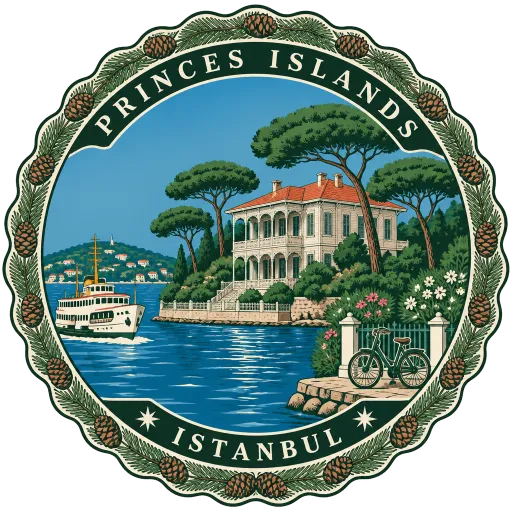
Princes' Islands
An archipelago of nine islands in the Sea of Marmara, a ferry ride from the city and by far its least populous district. Cars are largely absent, so people get about on foot, by bicycle and by electric cart among old wooden mansions.
-
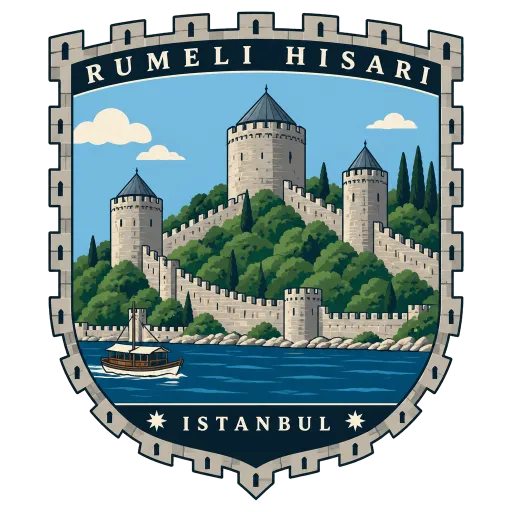
Rumeli Hisarı
An Ottoman fortress climbing the hills of the European shore of the Bosphorus, built by Mehmed II in 1452 ahead of the conquest of Constantinople. Its towers and walls command the narrowest point of the strait.
-
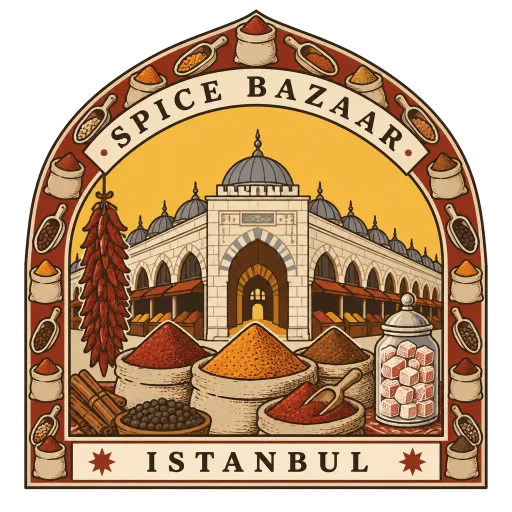
Spice Bazaar
A covered market in Eminönü beside the New Mosque, its stalls piled with spices, dried fruit, nuts, Turkish delight and tea. After the Grand Bazaar it is the best-known covered market in the city.
-
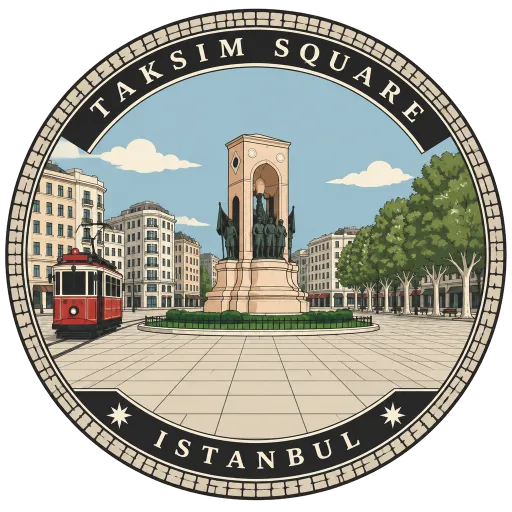
Taksim Square
The heart of modern Istanbul, at the top of İstiklal Avenue in Beyoğlu, with the central station of the metro beneath it. At its centre stands the Republic Monument by Pietro Canonica, unveiled in 1928.
-
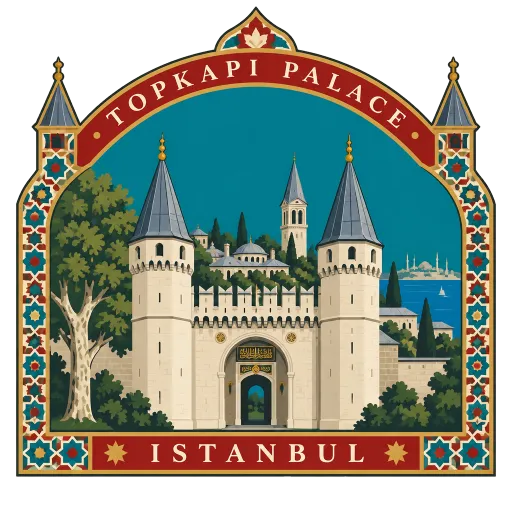
Topkapı Palace
From the 1460s until 1853 this was the seat of the Ottoman Empire and home of its sultans, a spread of courtyards, pavilions and the harem on the tip of the old city. It is now a museum, holding imperial treasures and holy relics.
-
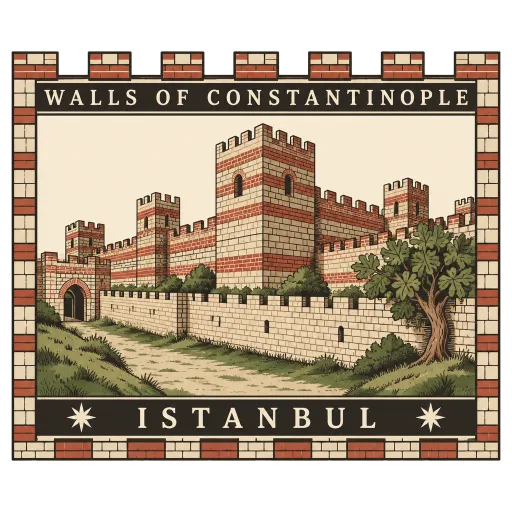
Walls of Constantinople
Stone walls that protected the city from its founding by Constantine the Great, the last great fortification system of antiquity. The land walls still run for kilometres across Istanbul from the Sea of Marmara to the Golden Horn, with towers and gates along the way.
-
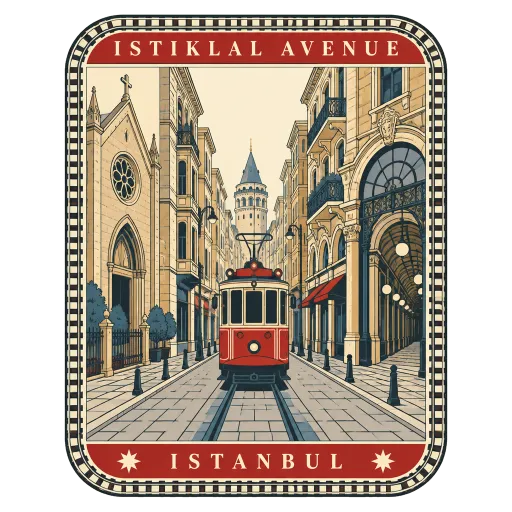
İstiklal Avenue
A 1.4 kilometre pedestrian street through Beyoğlu, lined with shops, cafés, churches and old arcades. A red heritage tram runs its length between Taksim Square and Tünel.
Hidden gems in Istanbul (9)
-
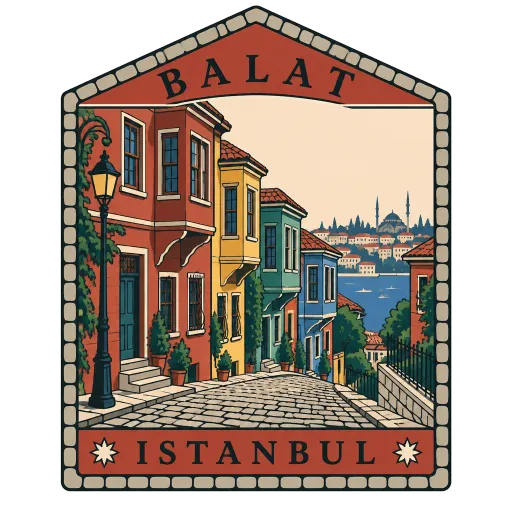
Balat
An old quarter on the western shore of the Golden Horn, between Fener and Ayvansaray, once the centre of the city's Jewish community. Its steep lanes of colourful old houses make it one of the most photographed neighbourhoods in Istanbul.
-
Galata Bridge
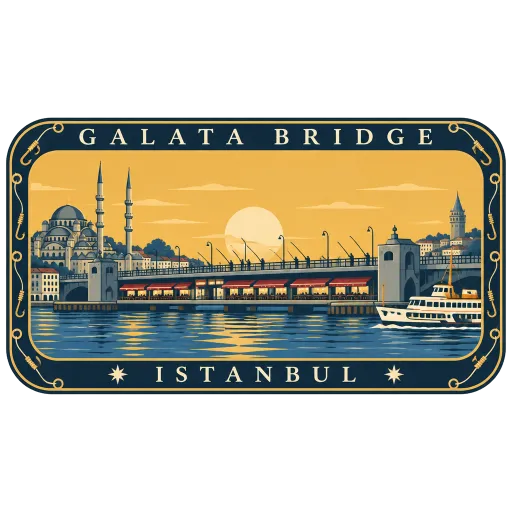
The bridge across the Golden Horn between Eminönü and Karaköy, built in 1994 as the fifth on this site. Anglers line its upper deck, fish restaurants fill the level below, and it has long featured in Turkish novels and poetry.
-
Isfanbul
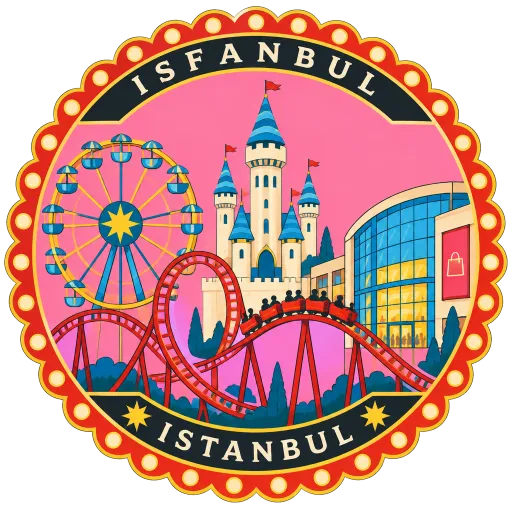
A theme park, shopping centre and event venue in Eyüp on the European side of Istanbul, first opened as Vialand. Rides and roller coasters share the site with a shopping mall.
-
Istanbul Modern
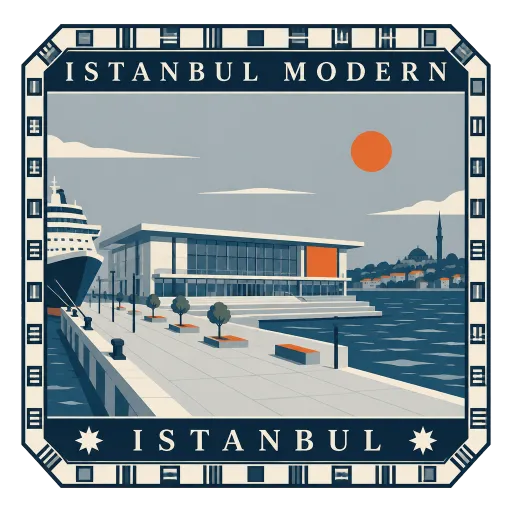
Turkey's first museum of modern and contemporary art, opened in 2004 and now housed in the Galataport complex on the Bosphorus shore at Karaköy. It shows Turkish as well as international artists.
-
New Mosque
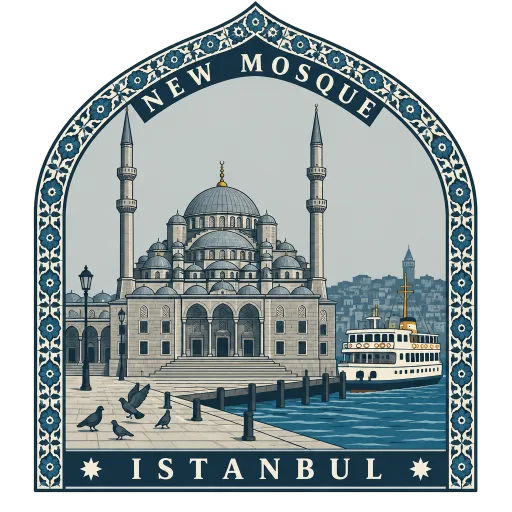
An imperial mosque at the southern end of the Galata Bridge, finished between 1660 and 1665 during the period known as the Sultanate of Women. Its domes and minarets mark the crossing from the old city to Beyoğlu, above a busy square by the ferry piers.
-
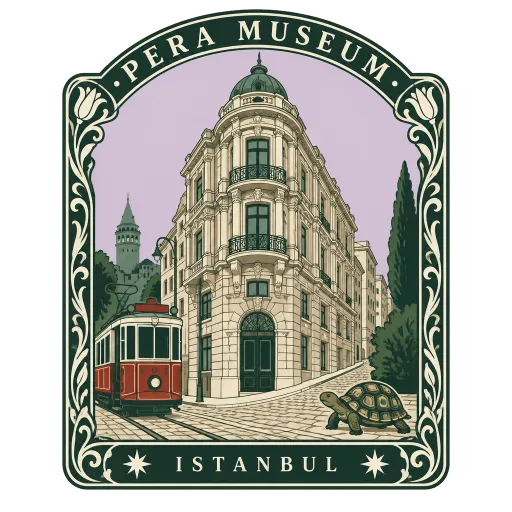
Pera Museum
An art museum in Tepebaşı, a few steps from İstiklal Avenue, with a particular focus on 19th-century Orientalist painting. Its best-known work is Osman Hamdi Bey's The Tortoise Trainer.
-
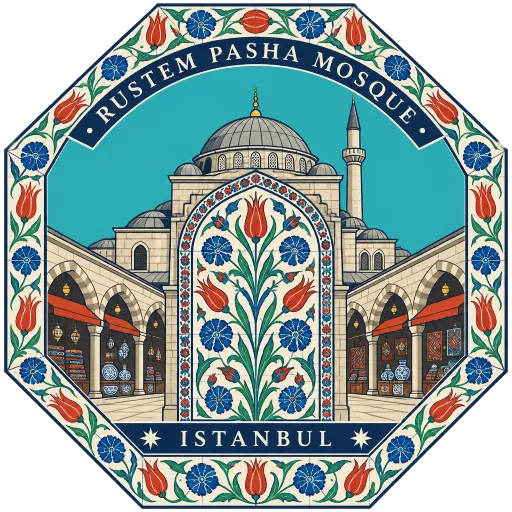
Rüstem Pasha Mosque
A small mosque by Mimar Sinan, completed around 1563 for Rüstem Pasha, grand vizier to Suleiman I. It sits above shops in the market lanes near the Spice Bazaar, and its walls are covered in İznik tiles.
-
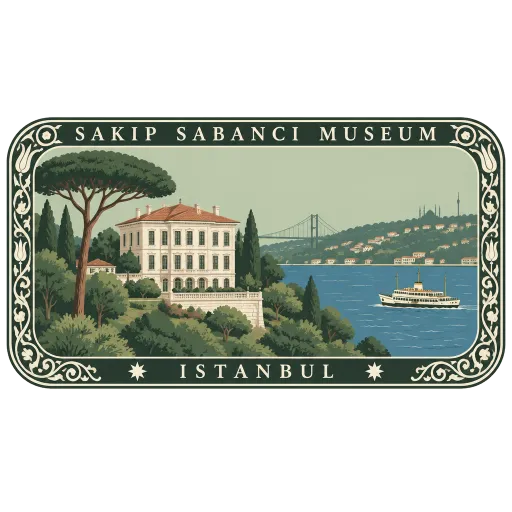
Sakıp Sabancı Museum
A private fine arts museum in a hillside mansion at Emirgan above the Bosphorus, opened in 2002 and run by Sabancı University. It holds Ottoman calligraphy, documents and paintings, and stages large temporary exhibitions.
-
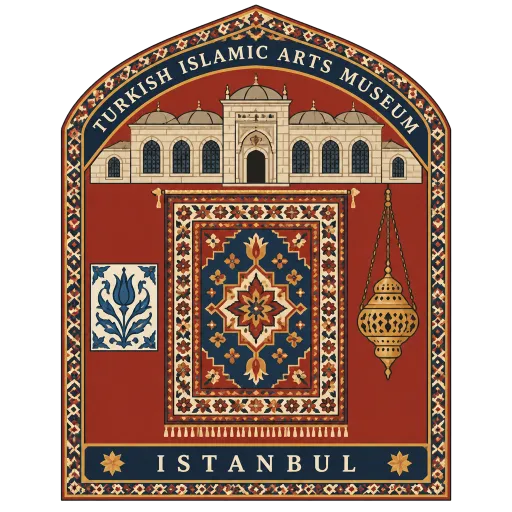
Turkish and Islamic Arts Museum
Housed since 1983 in the 1524 palace of Pargalı İbrahim Pasha, grand vizier to Suleiman the Magnificent, on the edge of Sultanahmet Square. The collection is strong in calligraphy, tiles and rugs, with recreated rooms showing how nomad families lived.
Collecting in Istanbul
What are the best places to visit in Istanbul?
LOQAH lists 35 places in Istanbul. The best known include Basilica Cistern, Blue Mosque, Chora Church, Hagia Sophia and Süleymaniye Mosque. Each has a stamp of its own to collect when you are there.
How many LOQAH stamps are there in Istanbul?
35, and more are added over time. Each place has LOQAH's carefully crafted stamp of its own.
How do I collect a stamp in Istanbul?
Open LOQAH at the place and get its stamp. LOQAH checks where you are once, at that moment; at the place itself the stamp is confirmed on site, with a gold badge.
I have been to places in Istanbul before. Can I add them?
Yes. In Earlier trips, choose Istanbul and swipe through its stamps, or import your Google Timeline. Each one goes into your volume with the date, if you know it.
More in Türkiye
Collect your first stamp.
LOQAH is free on iPhone and Android, in India and 20 more countries, with more countries on the way. Stand at a place, collect its stamp, and keep every trip in a passport that grows.