
Places to visit in Seoul, South Korea
44 places to visit in Seoul, South Korea, each with LOQAH's carefully crafted stamp of its own: Changdeokgung, Jongmyo Shrine, Seoul City Wall and more. Stand at any of them with the app open and the stamp is yours, confirmed on site, in your Seoul volume.
2 UNESCO World Heritage sites · 1 Heritage site · 18 Famous places to visit · 23 Hidden gems
UNESCO World Heritage sites in Seoul (2)
-
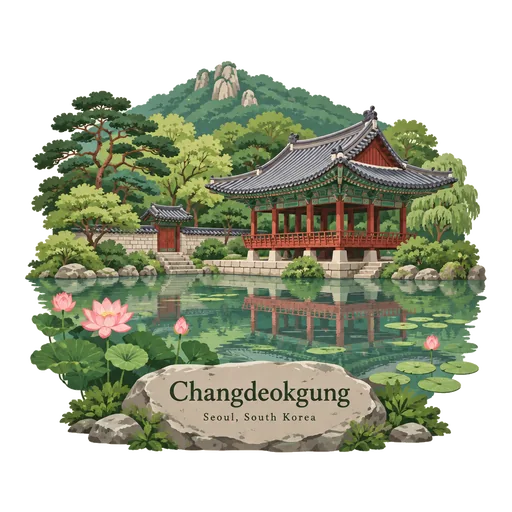
Changdeokgung
A former royal palace in Seoul, founded in 1405 as a second residence beside Gyeongbokgung. It is among the best preserved of Korea's palaces, and its rear garden, the Huwon, is a wooded retreat of ponds and pavilions. It is a UNESCO World Heritage Site.
-
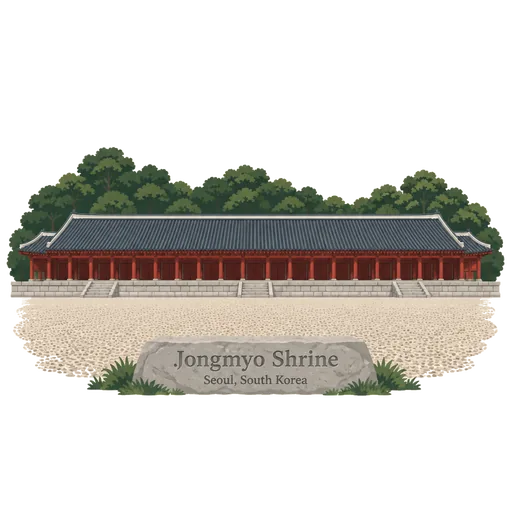
Jongmyo Shrine
A Confucian royal ancestral shrine in Seoul, built in the Joseon period to house the spirit tablets of kings and queens. Its very long wooden main hall is a striking sight, and the site is on the UNESCO World Heritage list.
Heritage sites in Seoul (1)
-
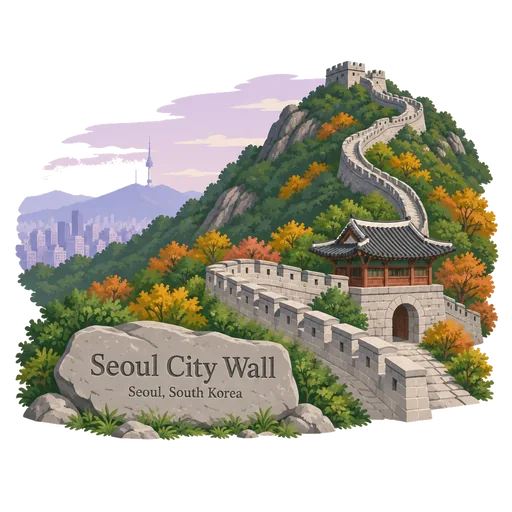
Seoul City Wall
The Hanyang Doseong, first built by King Taejo of the Joseon dynasty to defend the capital Hanseong. It was designated a Historic Site of South Korea in 1963, and its restored sections now form a walking trail over the hills around central Seoul.
Famous places to visit in Seoul (18)
-
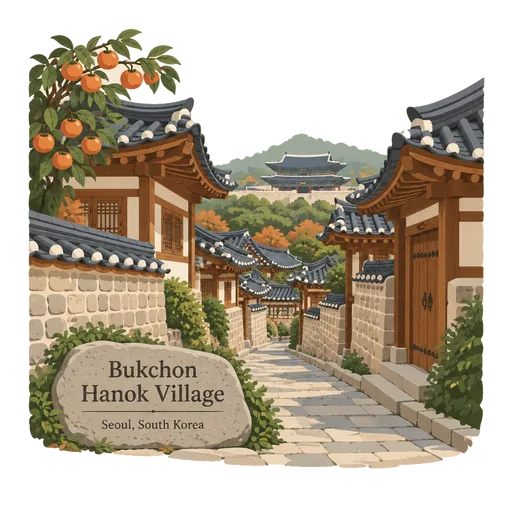
Bukchon Hanok Village
A residential neighbourhood in Jongno District, Seoul, set between the palaces of Gyeongbokgung and Changdeokgung. It is lined with restored traditional Korean houses called hanok, many still lived in, with tiled roofs and narrow sloping lanes.
-
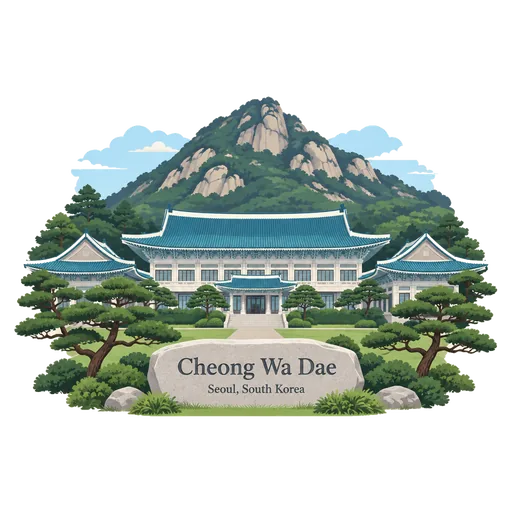
Cheong Wa Dae
Also called the Blue House, this is the former presidential office and residence in Seoul, set below Bugaksan behind Gyeongbokgung. Named for its blue roof tiles, it was opened to the public in 2022 and can now be toured on foot.
-
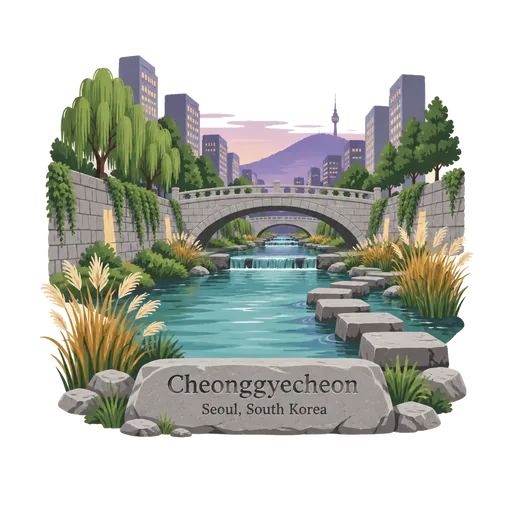
Cheonggyecheon
A 10.9 kilometre stream and public space in downtown Seoul. A highway covered it for decades, and it was reopened as an urban stream in 2005. Walkways, bridges and stepping stones run along its length.
-
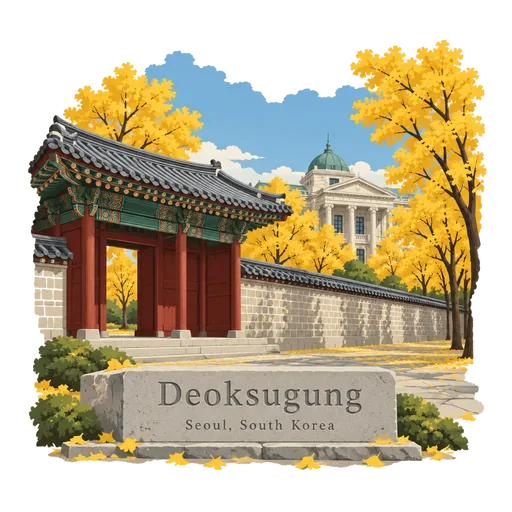
Deoksugung
A former royal palace beside Seoul City Hall, and the main palace during the Korean Empire from 1897 to 1910. It mixes traditional halls with Western style buildings of the early 20th century, and it has a stone wall lane much loved for walks.
-
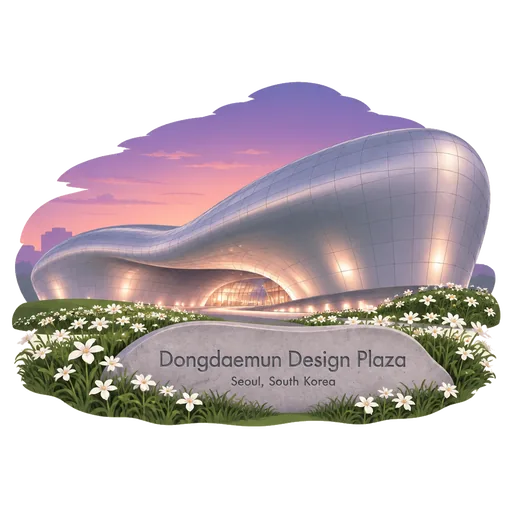
Dongdaemun Design Plaza
A landmark of curving metal and concrete in Seoul, designed by Zaha Hadid and opened in 2014. It houses exhibition halls and design shops, and its lawn of white flowers is lit at night.
-
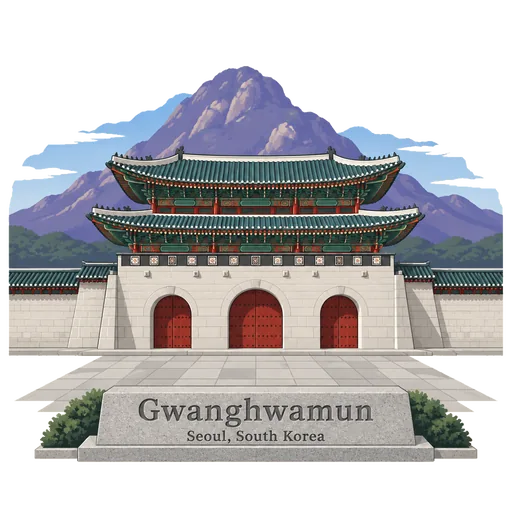
Gwanghwamun
The main southern gate of Gyeongbokgung, standing at the north end of Sejong-daero in central Seoul. It was first built in 1395, and the current gate is a reconstruction. Guards in Joseon style costume stand watch in front of it.
-
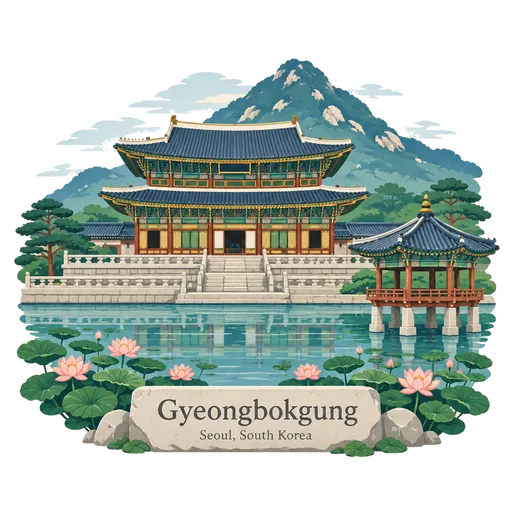
Gyeongbokgung
The first royal palace of the Joseon dynasty, established in 1395 in the heart of Seoul. Its throne hall and lakeside pavilion are among the best known sights in Korea, and a changing of the guard ceremony is performed at the main gate.
-
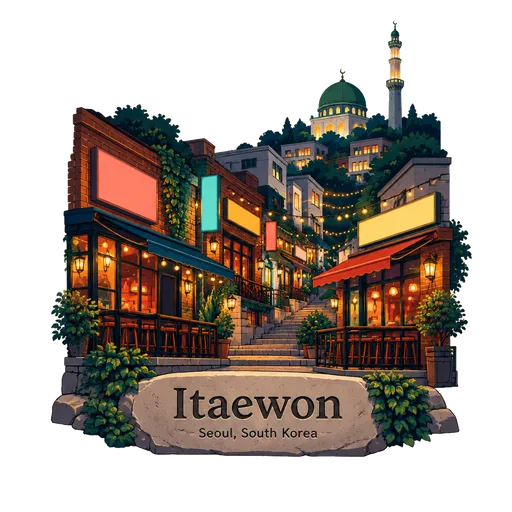
Itaewon
A commercial area within Itaewon-dong in Yongsan District, Seoul. It is known for its nightlife, its restaurants from many countries and its multi-ethnic population, and sits close to the Seoul Central Mosque.
-
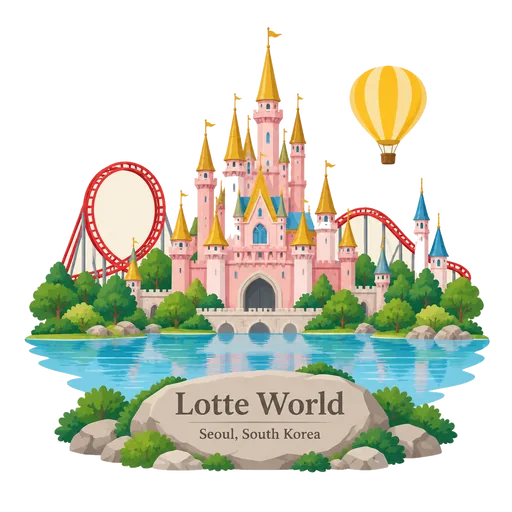
Lotte World
A theme park and recreation complex in Songpa District, Seoul, opened in July 1989. It combines a large indoor park with an outdoor island park on a lake, and it also holds a folk museum and an ice rink.
-
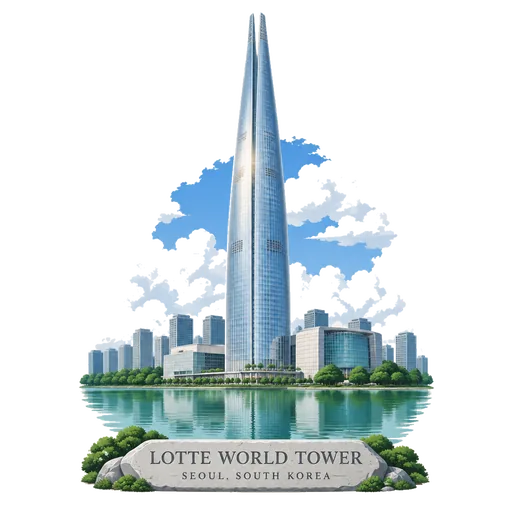
Lotte World Tower
A 123 storey skyscraper in Songpa District, Seoul, standing 555 metres tall. It is the tallest building in Korea, with an observation deck near the top, shops and a mall at its base.
-
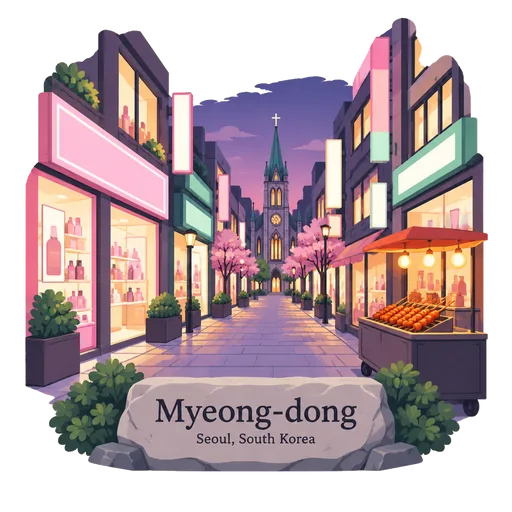
Myeong-dong
A neighbourhood in Jung District, Seoul, between Chungmu-ro, Eulji-ro and Namdaemun-ro. It is one of the city's main shopping and tourism districts, known for cosmetics stores, street food stalls and crowded pedestrian lanes.
-
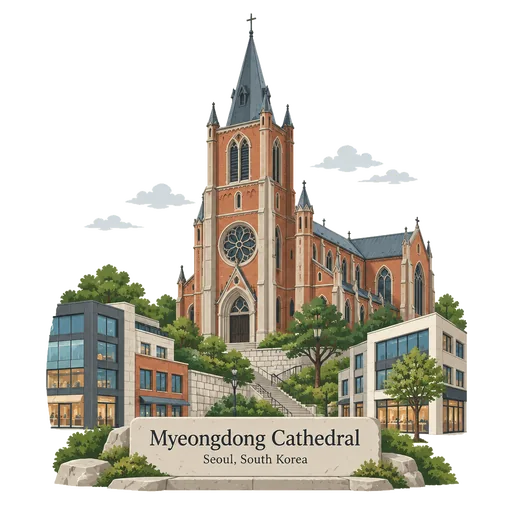
Myeongdong Cathedral
The national cathedral of the Archdiocese of Seoul, a red brick Gothic building in the Myeongdong shopping district. It was completed in 1898 and has long been a centre of Korean Catholic life and of social protest.
-
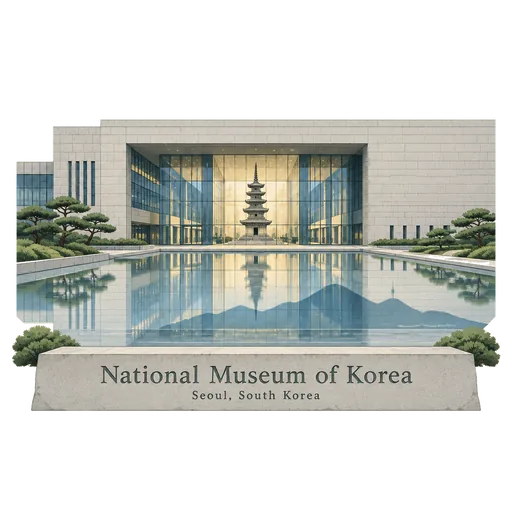
National Museum of Korea
The flagship museum of Korean history and art, located near Yongsan in Seoul. Founded in 1945, it moved to its present building in 2005 and holds thousands of objects from prehistoric tools to Goryeo celadon and Buddhist sculpture.
-
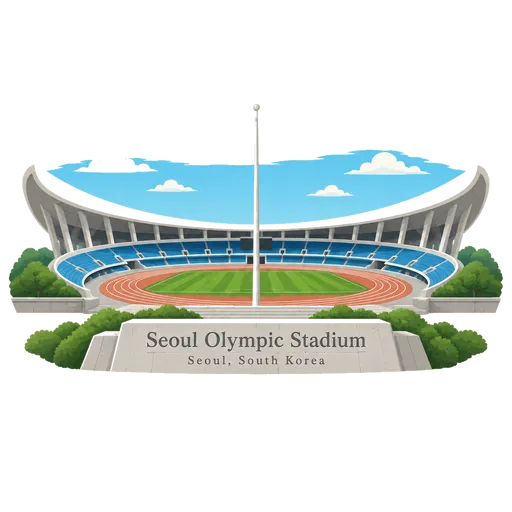
Seoul Olympic Stadium
The main stadium built for the 1988 Summer Olympics, at the Jamsil sports complex in Seoul. It hosted the opening and closing ceremonies of the Games and is now used for concerts and large events.
-
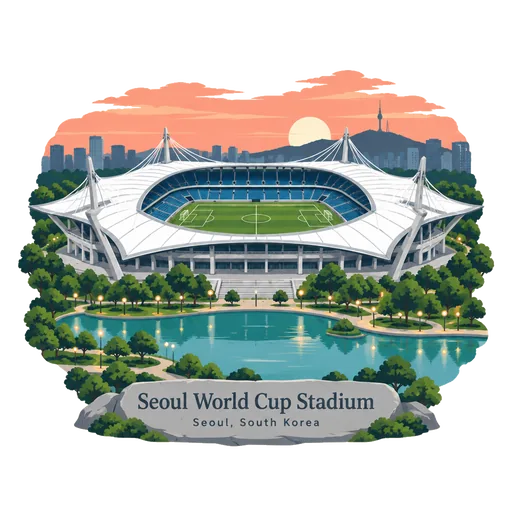
Seoul World Cup Stadium
A football stadium in Mapo District, Seoul, also known as the Sangam Stadium. It was built for the 2002 FIFA World Cup, and it is now the home ground of the club FC Seoul.
-
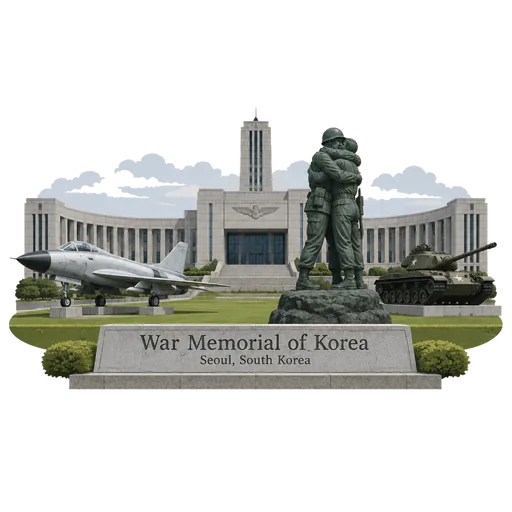
War Memorial of Korea
A museum and memorial in Yongsan, Seoul, opened in 1994 on the former site of the army headquarters. Its halls and outdoor displays of aircraft and tanks cover Korean military history, with a large section on the Korean War.
-
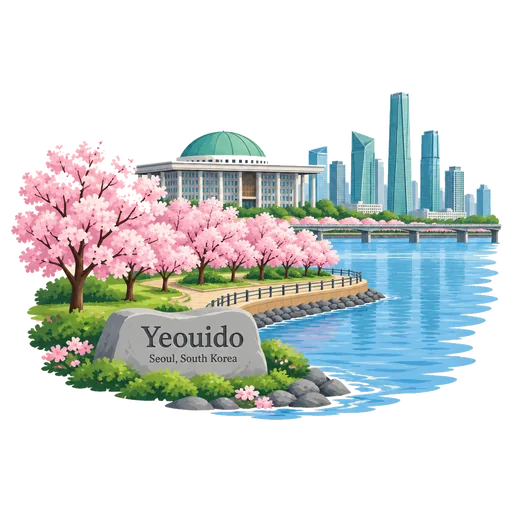
Yeouido
A river island on the Han in Seoul, 8.4 square kilometres in size and the city's main finance and broadcasting district. Its riverside park is a favourite spot for picnics, and the National Assembly sits at its western end.
-
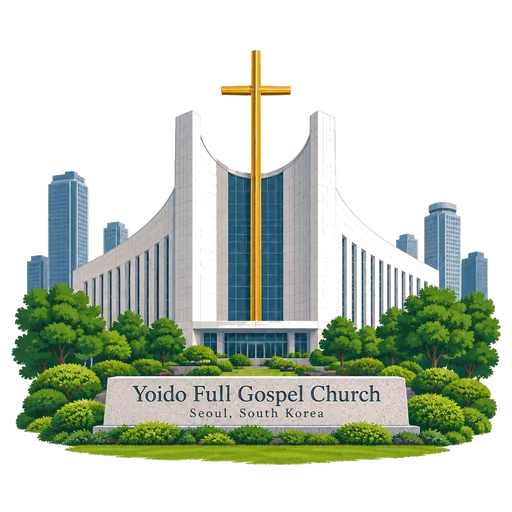
Yoido Full Gospel Church
A Pentecostal church on Yeouido island in Seoul, reported to have around 870,000 members and often called the largest of its kind in the world. Its large sanctuary holds several services each Sunday.
Hidden gems in Seoul (23)
-
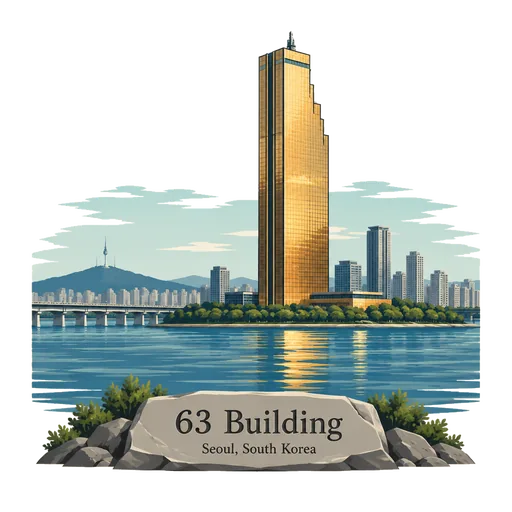
63 Building
A gold glass skyscraper on the island of Yeouido, rising 249.6 metres above the Han River in Seoul. It holds an aquarium, an art gallery and an observation deck, and it is one of the best known landmarks on the riverfront.
-
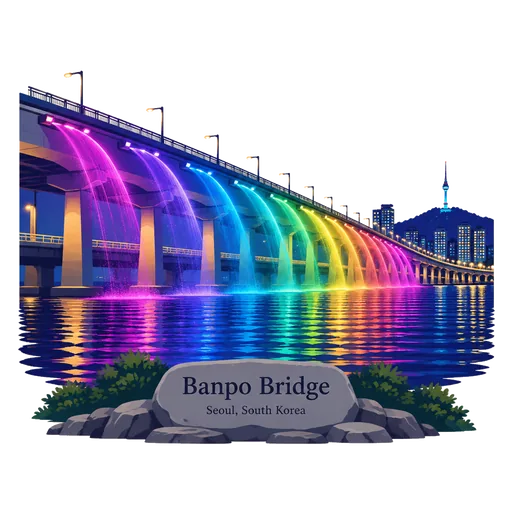
Banpo Bridge
A double decked bridge over the Han River in central Seoul. Its upper deck carries the Moonlight Rainbow Fountain, which sprays water from the bridge into the river in coloured light shows after dark.
-
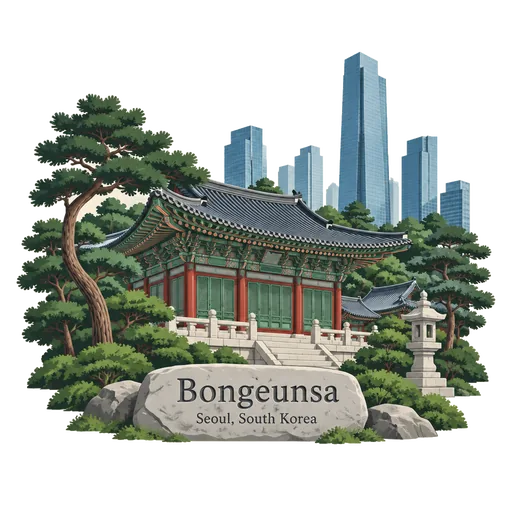
Bongeunsa
A Korean Buddhist temple in Samseong-dong, Gangnam District, Seoul, surrounded by high rises. It was founded in 794 during the reign of King Wonseong by Yeonhoe, then the highest ranking monk of Silla, and it offers temple stay programmes.
-
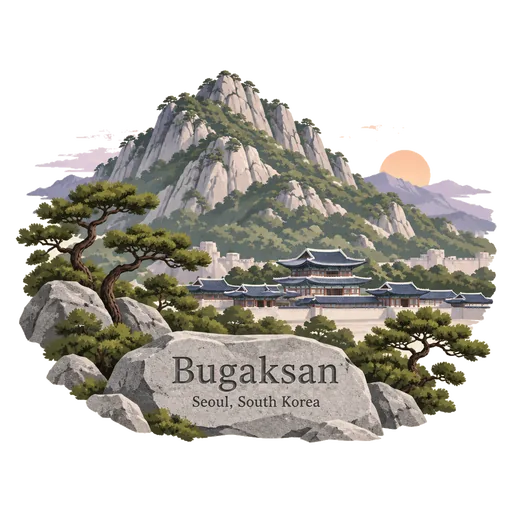
Bugaksan
A mountain in the north of Seoul that overlooks the former royal palace of Gyeongbokgung and the old presidential residence, the Blue House. Along with Inwangsan, Naksan and Namsan it is one of the four mountains that surround the Seoul basin.
-
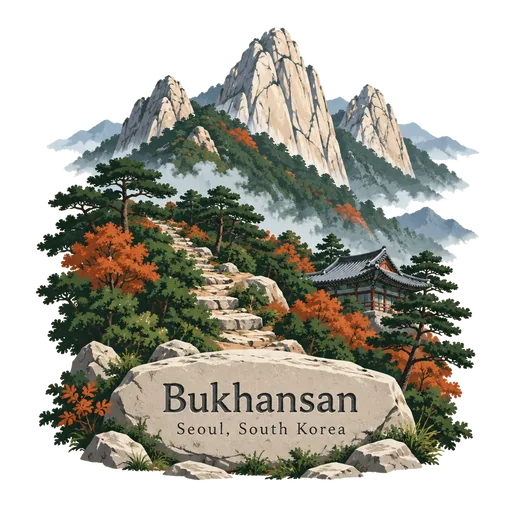
Bukhansan
A mountain on the northern edge of Seoul, with three main peaks, the highest being Baegundae at 836.5 metres. The national park around it is one of the most visited in the world, with hiking trails, granite cliffs and old temples.
-
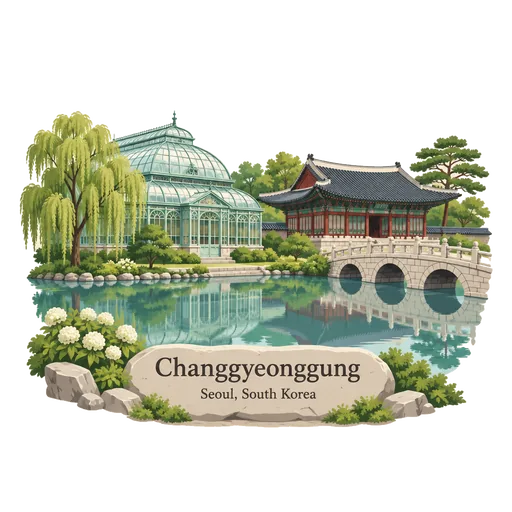
Changgyeonggung
A Joseon royal palace in central Seoul, next to Changdeokgung. It was built in the 15th century as a residence for retired kings and royal mothers, and it holds a large pond and a glass greenhouse from the early 1900s.
-
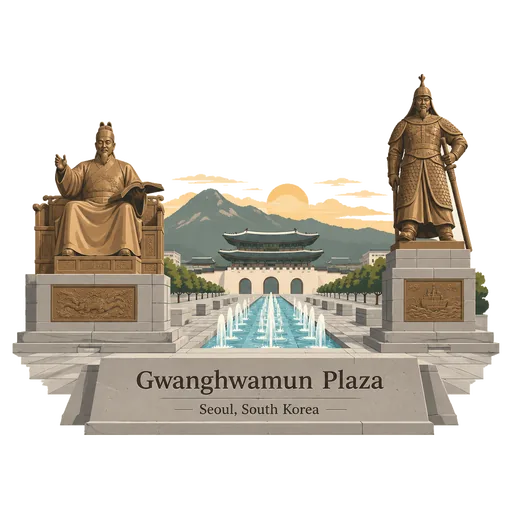
Gwanghwamun Plaza
A broad public square on Sejong-daero in front of Gyeongbokgung. It holds statues of Admiral Yi Sun-sin and King Sejong the Great, and it is a regular gathering place for festivals, marches and open air events.
-
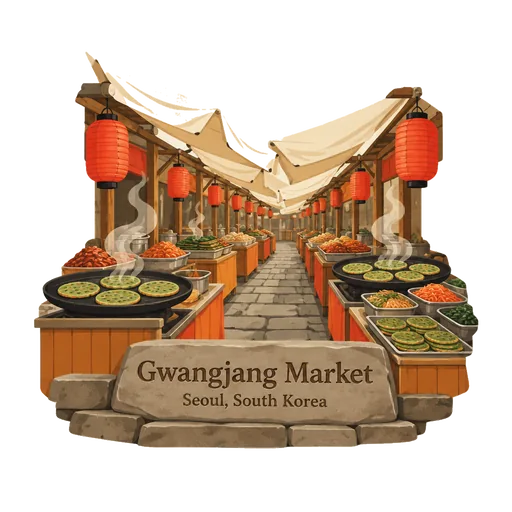
Gwangjang Market
A traditional street market in Jongno District, Seoul, once called Dongdaemun Market. It is one of the oldest and largest in South Korea, with more than 5000 shops, and is known for its food stalls serving bindaetteok and mayak gimbap.
-
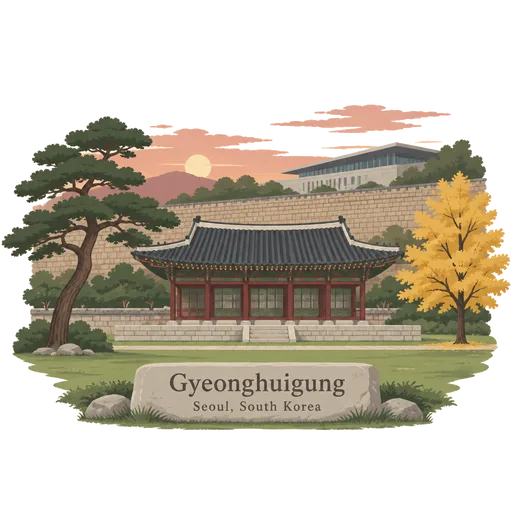
Gyeonghuigung
One of the five grand palaces of the Joseon dynasty, in the Seodaemun area of Seoul. It served as a secondary palace for Joseon kings, and today a few restored halls stand quietly among lawns, close to the city's museums.
-
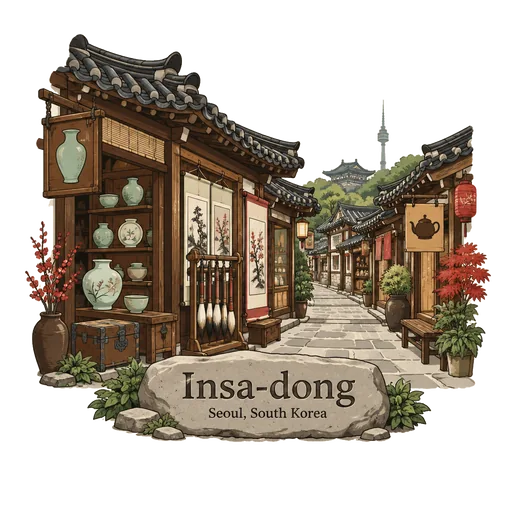
Insa-dong
A neighbourhood in Jongno District, Seoul, centred on the main street Insadong-gil and the alleys that branch off it. It is known for galleries, antique and craft shops, and traditional tea houses.
-
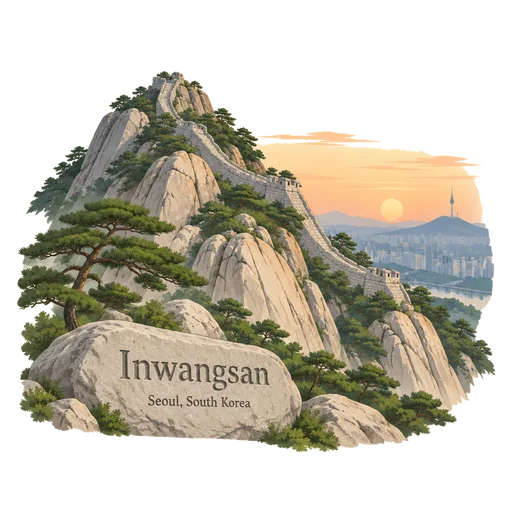
Inwangsan
A mountain in central Seoul, 338 metres high, lying across Jongno and Seodaemun Districts. Its name means compassionate king. Granite outcrops and a stretch of the old city wall make it a popular short hike with views over the capital.
-
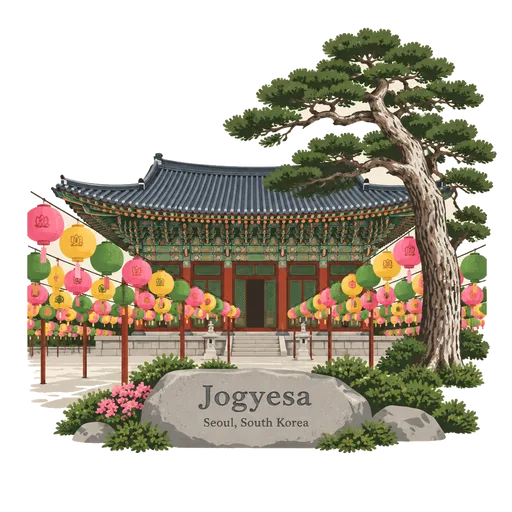
Jogyesa
The chief temple of the Jogye Order of Korean Buddhism, in central Seoul. Its building dates to the late 14th century, and it became the order's head temple in 1936. Lantern displays for Buddha's birthday fill its courtyard each spring.
-
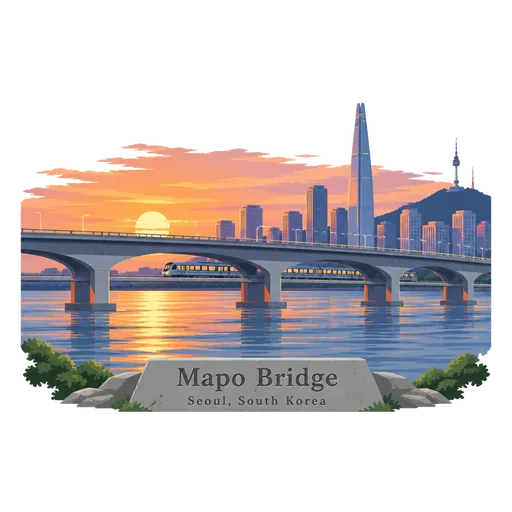
Mapo Bridge
A bridge across the Han River in Seoul, linking Mapo District and Yeongdeungpo District. Seoul Subway Line 5 runs beneath its deck, and it is well known for its view of the river and the Yeouido skyline.
-
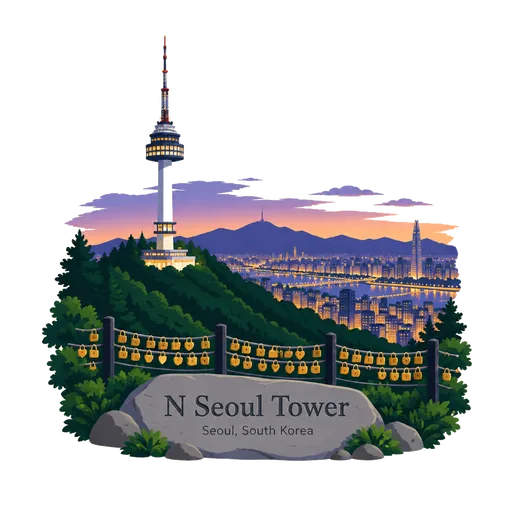
N Seoul Tower
A communication and observation tower on the summit of Namsan in central Seoul, standing 236 metres tall. It was the country's first general radio wave tower, and its observation decks give a view over the whole city.
-
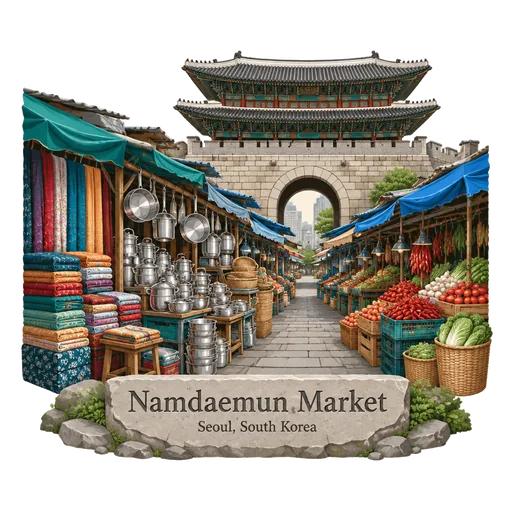
Namdaemun Market
A large traditional market in Seoul beside Namdaemun, the main southern gate of the old city. It opened in 1414 during the Joseon period and is among the oldest markets in Korea, selling clothing, kitchenware and food.
-
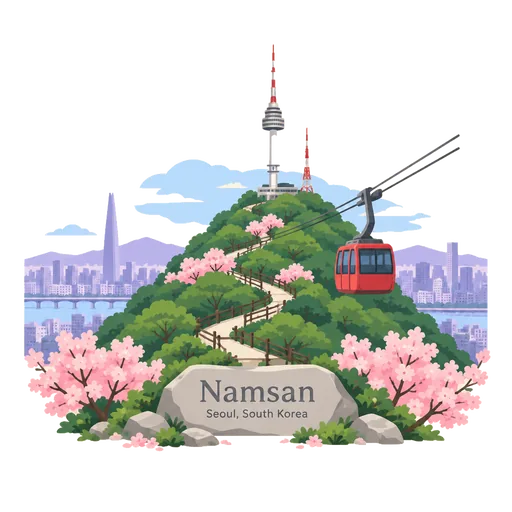
Namsan
A 270 metre peak in the middle of Seoul, with walking paths, picnic areas and views over the city. N Seoul Tower stands on its summit, and a cable car and old fortress wall sections add to the climb.
-
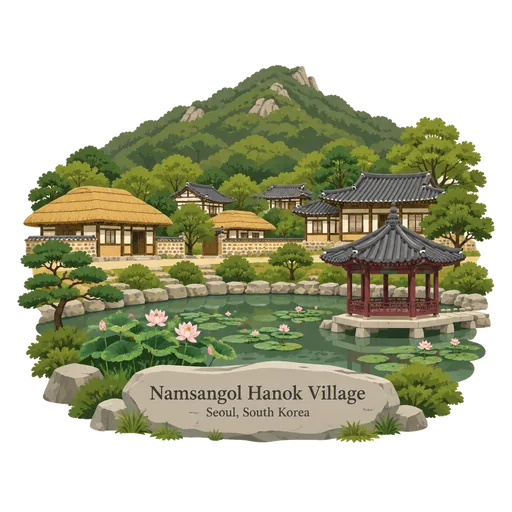
Namsangol Hanok Village
A recreated village of historic Korean buildings in Pil-dong, Jung District, at the foot of Namsan. It gathers several traditional houses called hanok that were moved from other parts of Seoul, set around a pavilion and a pond.
-
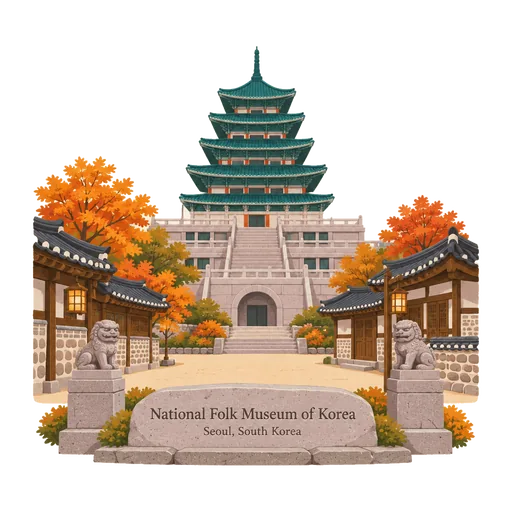
National Folk Museum of Korea
A national museum on the grounds of Gyeongbokgung in Seoul. Its exhibitions follow everyday Korean life through the seasons and the life cycle, and a small outdoor area is lined with replicas of traditional buildings.
-
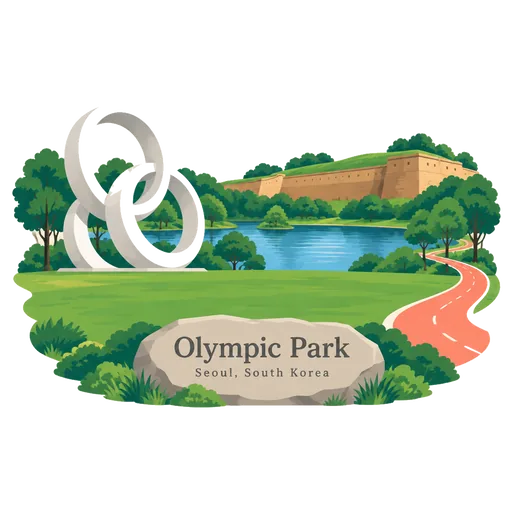
Olympic Park
A large park in Songpa District, Seoul, opened in 1986 and used for the 1988 Summer Olympics. It holds sports halls, sculptures, lawns and a Baekje era earthen fortress site, and locals come here to walk and cycle.
-
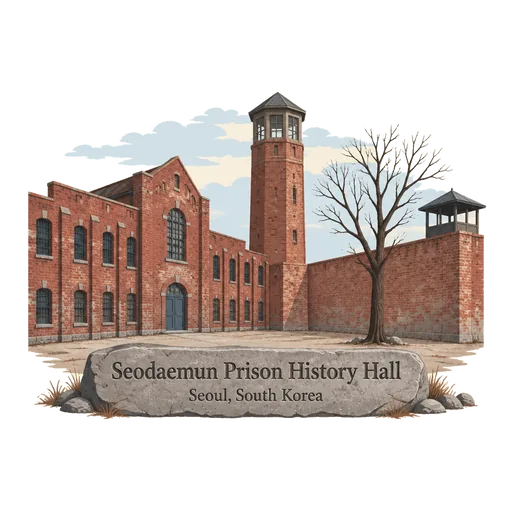
Seodaemun Prison History Hall
A museum and former prison in Seoul, begun by Imperial Japan in 1908 and used to hold Korean independence activists. Its cell blocks and execution site are preserved, and the history hall now tells the story of the resistance.
-
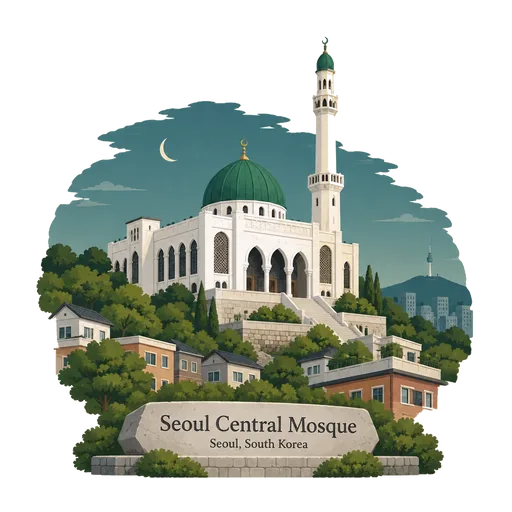
Seoul Central Mosque
The main mosque of Korea, opened in 1976 on a hillside in Itaewon, Seoul. It holds lectures in English and Arabic, and it serves as a gathering place for Muslims living in and visiting Korea.
-
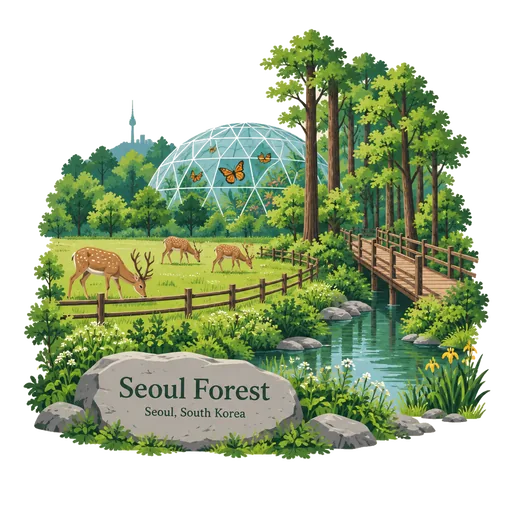
Seoul Forest
A large park in Seongdong District, Seoul, open all year with free admission. It opened in June 2005 after the city spent 235.2 billion won on it, and it holds a deer enclosure, a butterfly garden and riverside paths.
-
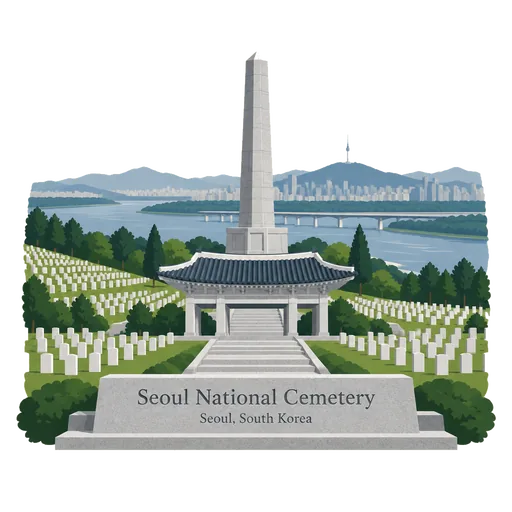
Seoul National Cemetery
A national cemetery in Dongjak District, Seoul, where Korean veterans, presidents and patriots are buried. It stands on a green hillside above the Han River and is a place of remembrance for the nation's war dead.
Collecting in Seoul
What are the best places to visit in Seoul?
LOQAH lists 44 places in Seoul. The best known include Changdeokgung, Jongmyo Shrine, Seoul City Wall, Bukchon Hanok Village and Cheong Wa Dae. Each has a stamp of its own to collect when you are there.
How many LOQAH stamps are there in Seoul?
44, and more are added over time. Each place has LOQAH's carefully crafted stamp of its own.
How do I collect a stamp in Seoul?
Open LOQAH at the place and get its stamp. LOQAH checks where you are once, at that moment; at the place itself the stamp is confirmed on site, with a gold badge.
I have been to places in Seoul before. Can I add them?
Yes. In Earlier trips, choose Seoul and swipe through its stamps, or import your Google Timeline. Each one goes into your volume with the date, if you know it.
More in South Korea
Collect your first stamp.
LOQAH is free on iPhone and Android, in India and 40 more countries, with more countries on the way. Stand at a place, collect its stamp, and keep every trip in a passport that grows.