

Places to visit in England, United Kingdom
124 places to visit in England, United Kingdom, each with LOQAH's carefully crafted stamp of its own: Avebury, Blenheim Palace, Canterbury Cathedral and more. Stand at any of them with the app open and the stamp is yours, confirmed on site, in your England volume.
17 UNESCO World Heritage sites · 95 Famous places to visit · 12 Hidden gems
UNESCO World Heritage sites in England (17)
-
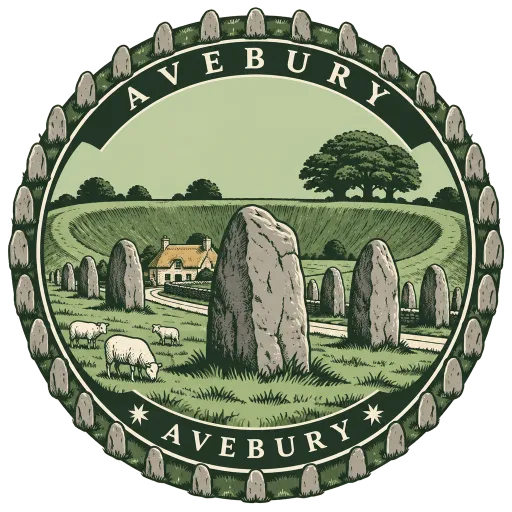
Avebury
A Neolithic henge holding three stone circles, the outer one the largest megalithic stone circle in the world. A village grew up inside and around its great bank and ditch, so the stones stand beside lanes, cottages and fields.
-
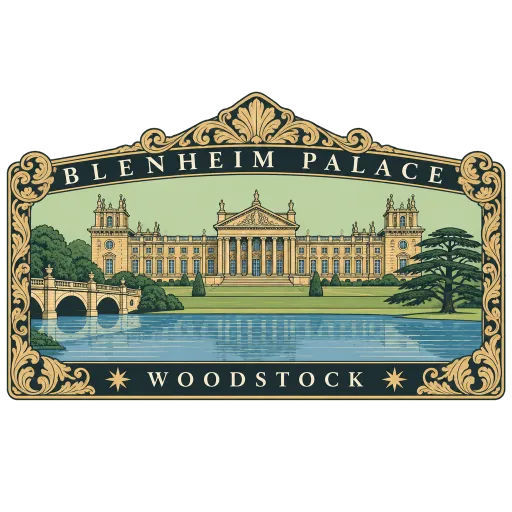
Blenheim Palace
One of England's largest houses, built between 1705 and 1722 as the seat of the Dukes of Marlborough, and a World Heritage Site since 1987. Winston Churchill was born here, and the Baroque palace looks out over a landscaped park and lake by Capability Brown.
-
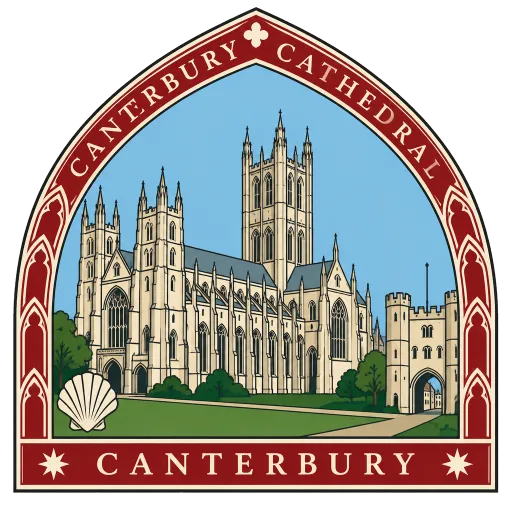
Canterbury Cathedral
The cathedral of the Archbishop of Canterbury and mother church of the worldwide Anglican Communion, on a site of Christian worship since 597. For centuries it was the goal of pilgrims, the ones Chaucer wrote of, and it forms part of a World Heritage Site.
-
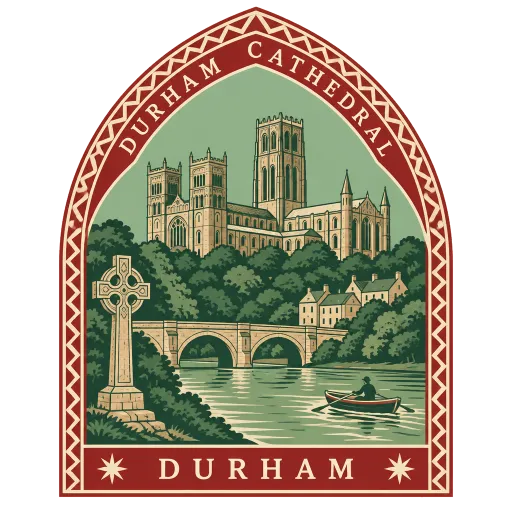
Durham Cathedral
A great Norman cathedral on a loop of the River Wear, the mother church of the diocese of Durham. It holds the shrines of two Anglo-Saxon saints, Cuthbert and Bede, and together with the castle beside it forms a World Heritage Site.
-
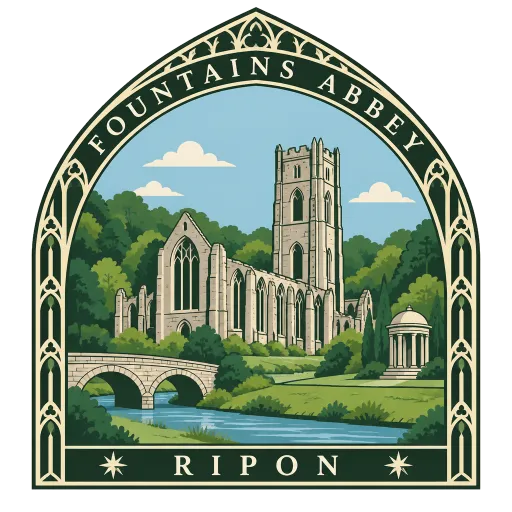
Fountains Abbey
The ruins of a Cistercian monastery founded in 1132 near Ripon, which grew into one of the wealthiest in England before it was dissolved in 1539. Its roofless church and cloisters now stand within Studley Royal, an 18th-century landscaped garden.
-
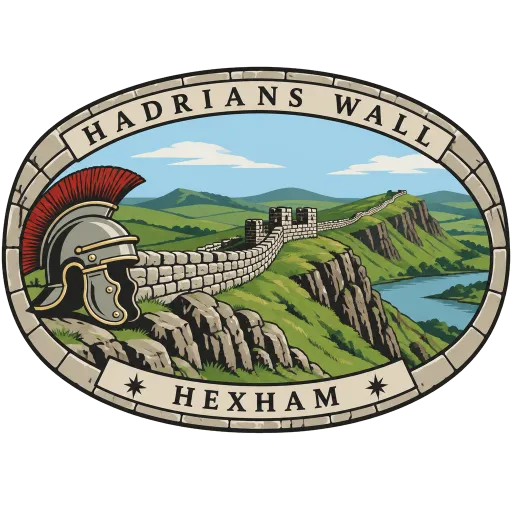
Hadrian's Wall
A Roman frontier begun in AD 122 under the Emperor Hadrian, running from Wallsend on the Tyne to Bowness-on-Solway across the width of the island. Soldiers manned forts, milecastles and turrets along it, and its best preserved stretches still ride the crags of Northumberland.
-
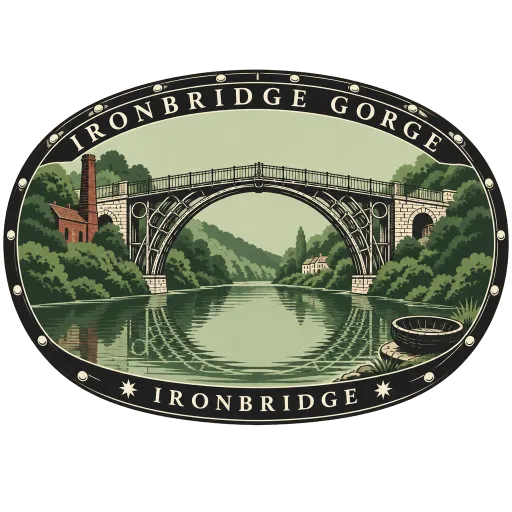
Ironbridge Gorge
A deep gorge of the River Severn, cut by glacial overflow at the end of the last ice age. Its exposed coal, iron ore and limestone fed the early Industrial Revolution, and it is named for the cast iron bridge of 1779 that still spans the river.
-
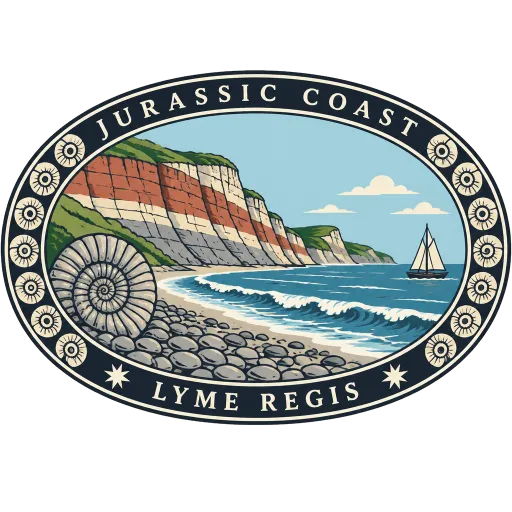
Jurassic Coast
About 154 km of English Channel coast running from Exmouth in Devon to Studland Bay in Dorset, inscribed as a World Heritage Site in 2001. Its cliffs expose rock from the Triassic, Jurassic and Cretaceous, and the beaches around Lyme Regis and Charmouth are famous for fossils.
-
Kew Gardens
A botanic garden in south-west London founded in 1759, holding one of the largest and most diverse plant collections in the world and a herbarium of over 8.5 million specimens. Its Victorian glasshouses, the Palm House above all, sit in a World Heritage landscape.
-
Lake District
A mountainous national park in Cumbria of lakes, fells and coast. It is bound up with Beatrix Potter, John Ruskin, Arthur Ransome and the Lake Poets, and holds both England's highest mountain and its largest lake.
-
Palace of Westminster
The Gothic Revival riverside home of the House of Commons and the House of Lords, which give it its everyday name. Its clock tower at the north end holds the bell called Big Ben, and the long Thames frontage is one of the most recognised views in London.
-
Roman Baths
A well-preserved Roman bathing complex built around the hot springs of Aquae Sulis, where a temple stood by 60 to 70 AD. The baths were used until Roman rule ended in the 5th century, and the green, steaming Great Bath is still fed by the natural spring.
-
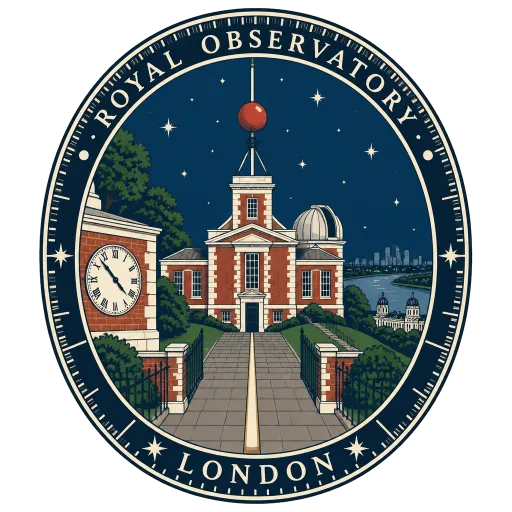
Royal Observatory Greenwich
An observatory on the hill in Greenwich Park, looking down over the Thames. The Prime Meridian passes through it, giving the world Greenwich Mean Time, and a line in the courtyard lets you stand with one foot in each hemisphere.
-
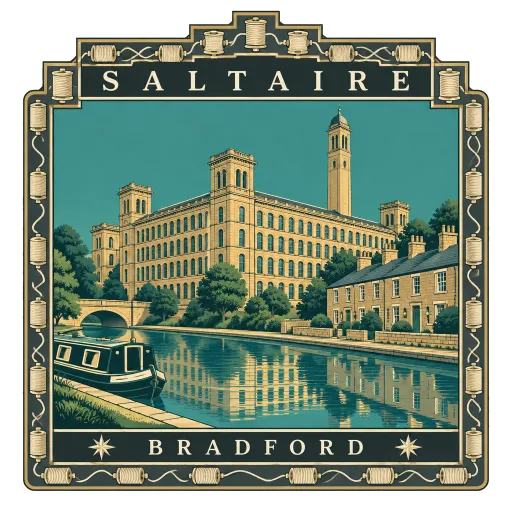
Saltaire
A Victorian model village built by the mill owner Titus Salt between 1851 and 1871, so his workers could live away from the slums of Bradford. Its great mill, which stopped spinning in 1986, now holds an art gallery and restaurants beside the Leeds and Liverpool Canal.
-
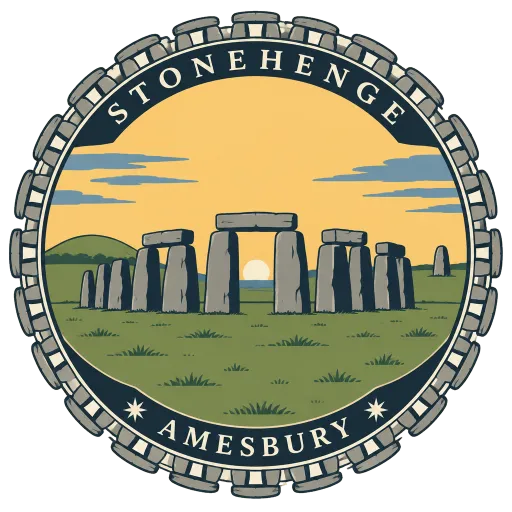
Stonehenge
A prehistoric ring of standing stones on Salisbury Plain, its great sarsens around 4 metres high and capped with lintels held by mortise and tenon joints. The circle is aligned to the summer solstice sunrise and the winter solstice sunset, and sits among hundreds of Neolithic and Bronze Age burial mounds.
-
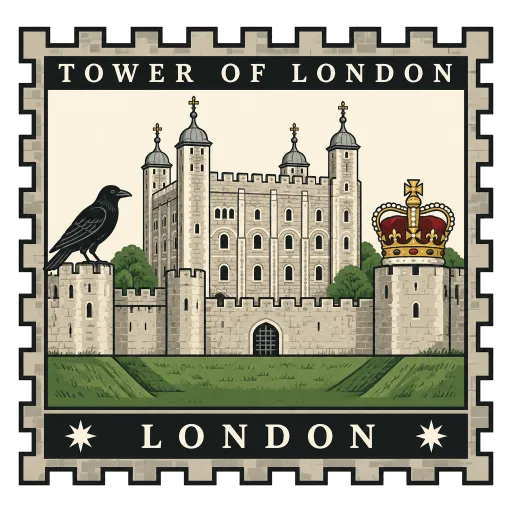
Tower of London
A Norman fortress on the north bank of the Thames, founded in 1066 after the Conquest. Its White Tower was raised by William the Conqueror in 1078, and the walls around it have served as royal palace, prison and treasury, and still keep the Crown Jewels.
-
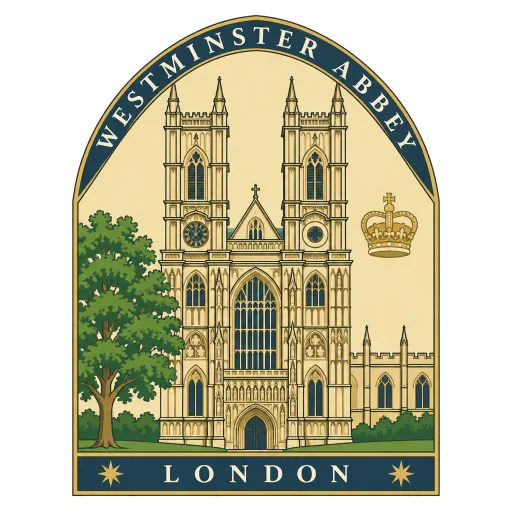
Westminster Abbey
A Gothic abbey church where 40 English and British monarchs have been crowned since 1066 and 18 are buried. At least 16 royal weddings have been held under its vaulted nave, and its floors and chapels are crowded with the tombs and memorials of poets, scientists and statesmen.
Famous places to visit in England (95)
-
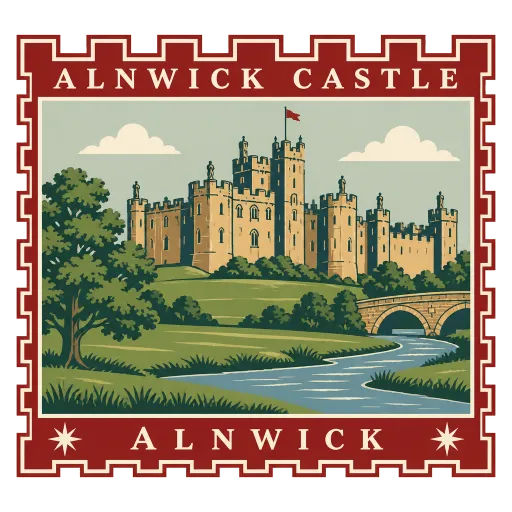
Alnwick Castle
A Norman castle, remodelled many times, that is still the family home of the Duke of Northumberland. Its courtyards and battlements stood in for Hogwarts in the first Harry Potter films, and the Alnwick Garden lies next door.
-
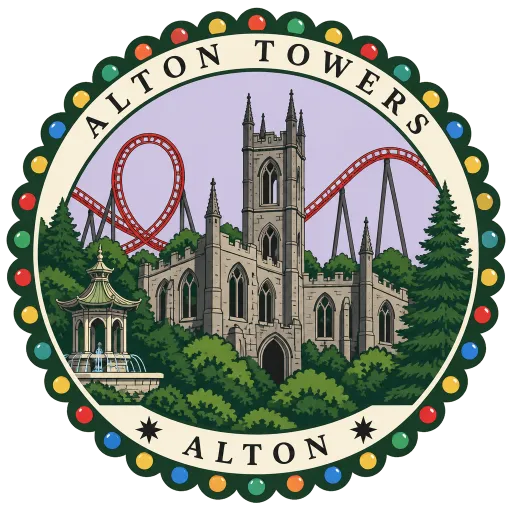
Alton Towers
A theme park and resort built in the grounds of a historic estate near the village of Alton in Staffordshire. Alongside the rides it has a water park, mini golf and hotels, and the gothic shell of the old house still stands in the park.
-
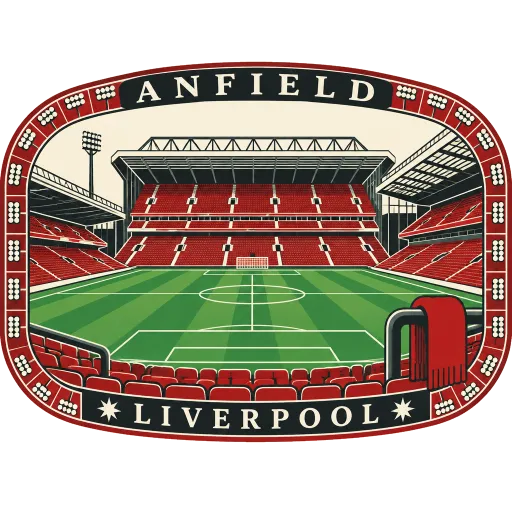
Anfield
The football stadium that has been home to Liverpool FC since the club was formed in 1892, and before that, from 1884, to Everton. It seats more than 61,000, and its Kop end is famous for singing You'll Never Walk Alone.
-
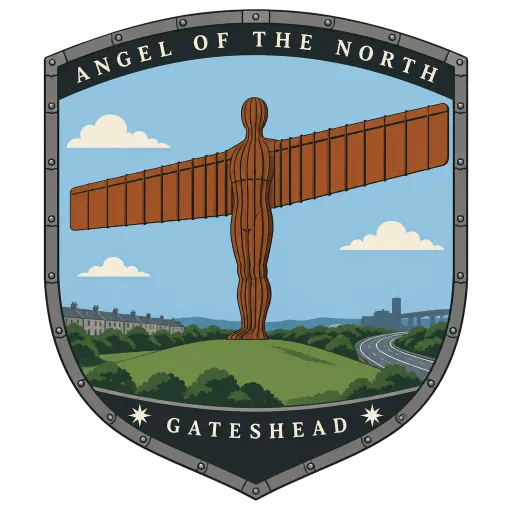
Angel of the North
Antony Gormley's steel figure on a hill above Gateshead, finished in 1998 and modelled, like much of his work, on his own body. It stands 20 metres tall with wings 54 metres across, and its weathering steel has turned the colour of rust.
-
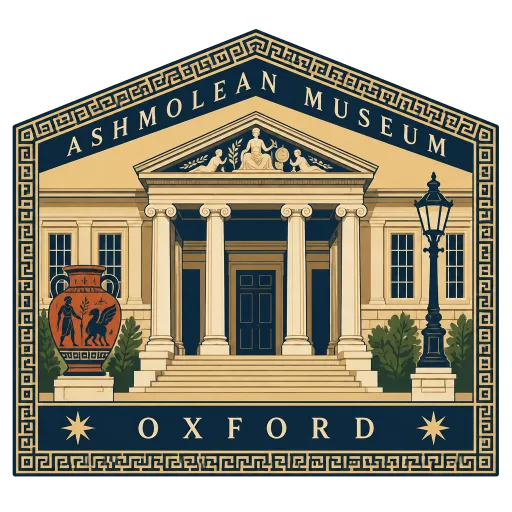
Ashmolean Museum
Britain's first public museum, opened in a building of 1678 to 1683 to house the cabinet of curiosities Elias Ashmole gave to the University of Oxford. It is the world's second university museum, and its collections of art and archaeology now fill a later building on Beaumont Street.
-
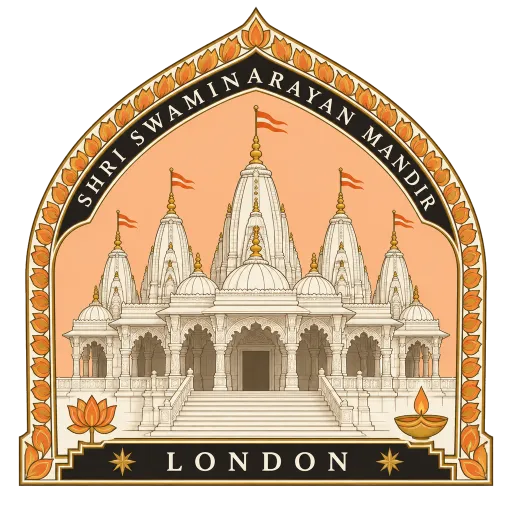
BAPS Shri Swaminarayan Mandir London
A Hindu mandir in Neasden, built entirely by traditional methods in carved stone and inaugurated by Pramukh Swami Maharaj in 1995. It was Europe's first traditional Hindu stone temple, and its complex also holds an exhibition on Hinduism and a cultural centre.
-
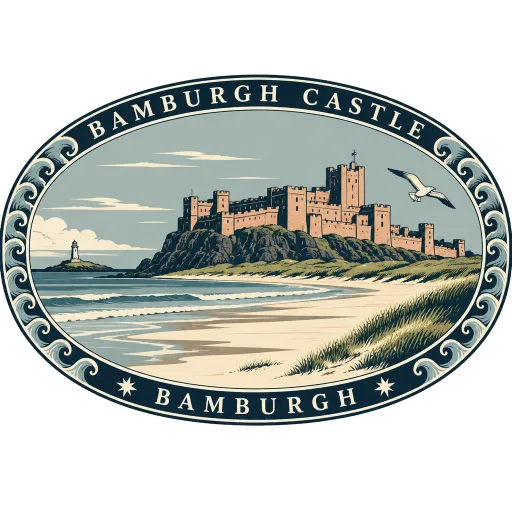
Bamburgh Castle
A castle on a basalt crag above the village of Bamburgh, looking out over wide sands to the North Sea. The rock was the seat of the old kings of Northumbria, and the castle you see today was largely restored in the late 19th century.
-
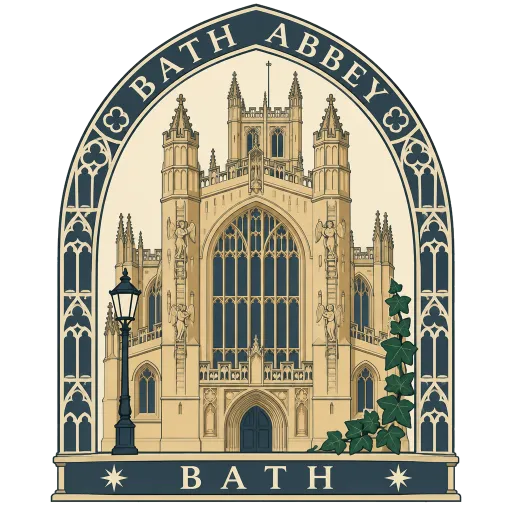
Bath Abbey
A parish church and former Benedictine monastery founded in the 7th century and rebuilt in the 12th and 16th centuries. It is one of the finest examples of Perpendicular Gothic in the West Country, and its monastic community was dissolved in 1539.
-
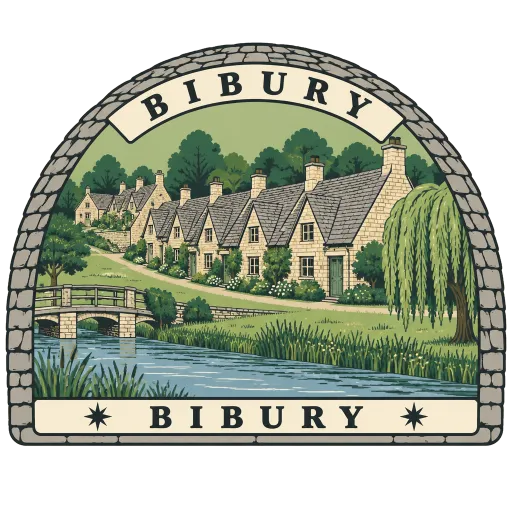
Bibury
A Cotswold village on the River Coln, about 10 km north-east of Cirencester. Its row of old weavers' cottages, Arlington Row, appears on the inside cover of some British passports, which makes it a fitting place for a passport stamp.
-
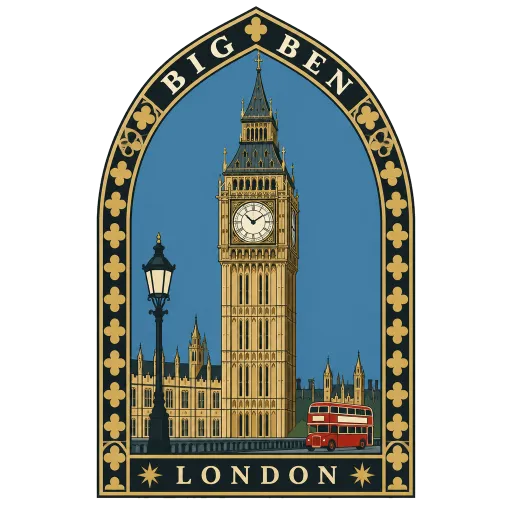
Big Ben
Strictly the nickname of the Great Bell inside the clock tower at the north end of the Palace of Westminster, though everyone uses it for the tower too. Once simply the Clock Tower, it was renamed the Elizabeth Tower in 2012 for Queen Elizabeth II's Diamond Jubilee.
-
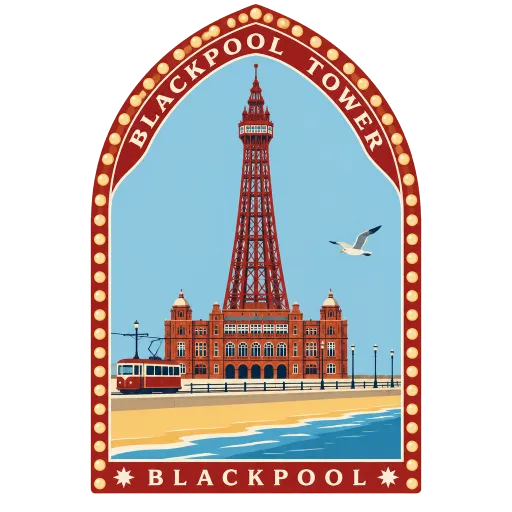
Blackpool Tower
A seaside tower inspired by the Eiffel Tower, opened on 14 May 1894 and, at 158 metres, then the tallest man-made structure in the British Empire. The red-brick block at its base holds the Tower Circus, the Tower Ballroom and roof gardens.
-
Bodleian Library
Oxford's main research library, founded in 1602 by Sir Thomas Bodley and one of the oldest in Europe. It holds more than 13 million printed items and is a legal deposit library, entitled to a copy of every work published in the UK. Scholars call it Bodley or the Bod, and nothing leaves its reading rooms.
-
Borough Market
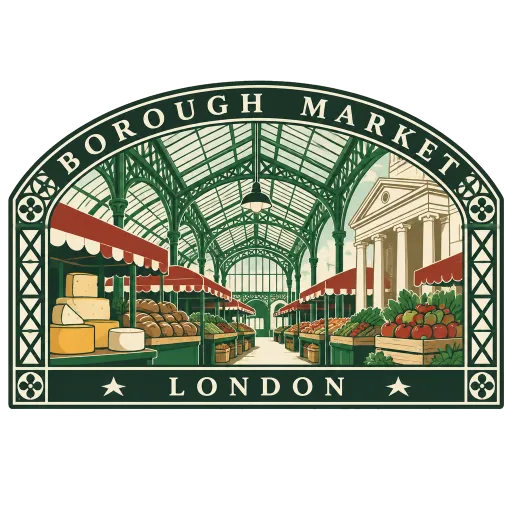
One of London's largest and oldest food markets, by London Bridge in Southwark, with a market on the site since at least the 12th century. Under its 1850s iron roof the stalls sell cheese, bread, produce and street food from around the world.
-
Bourton-on-the-Water
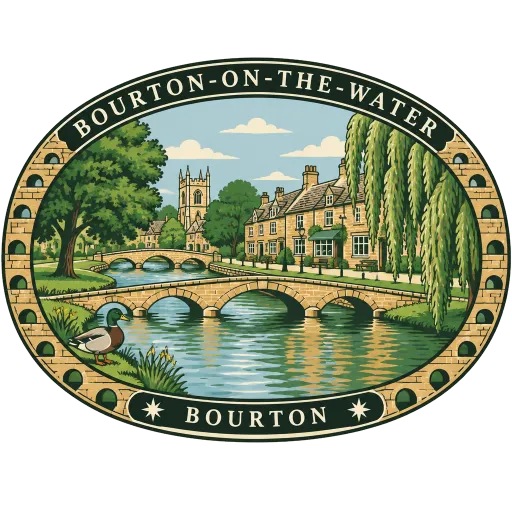
A Cotswold village on a wide, flat vale, with much of its centre a conservation area. The River Windrush runs through it under a series of low stone bridges, which is why it is often called the Venice of the Cotswolds.
-
Brighton Palace Pier
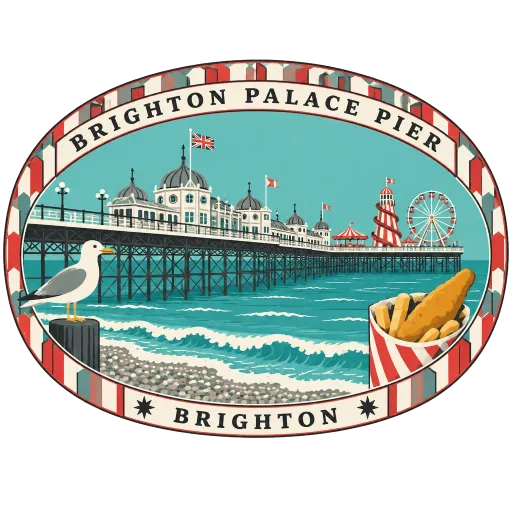
A Victorian pleasure pier opened in 1899 on Brighton's seafront, opposite the Old Steine. It is the only one of the town's three piers still running, with fairground rides, arcades and fish and chips out over the sea.
-
British Museum
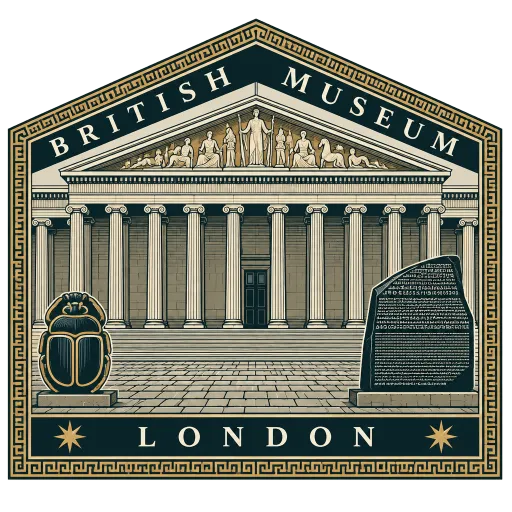
The world's first public national museum, founded in 1753 in Bloomsbury, with a collection of some eight million objects covering human history from its beginnings. The Rosetta Stone and the Egyptian mummies are among its best known pieces, under a glass roofed Great Court.
-
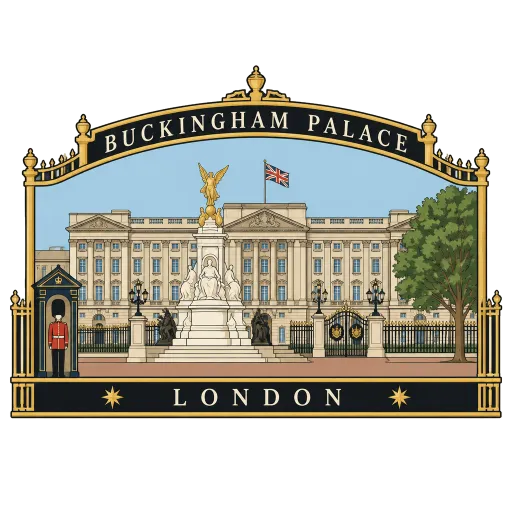
Buckingham Palace
The London home and working headquarters of the British monarch, in the City of Westminster. Crowds gather at its railings for state occasions and the Changing of the Guard, and the balcony above the forecourt is where the royal family appears on great days.
-
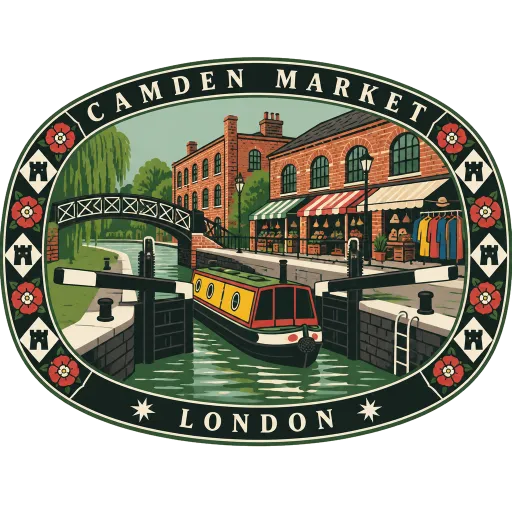
Camden Market
A cluster of adjoining markets in Camden Town, partly set in the old Pickfords stables beside the Hampstead Road Lock on the Regent's Canal. Stalls sell clothing, crafts, bric-a-brac and food, drawing around 250,000 people a week.
-
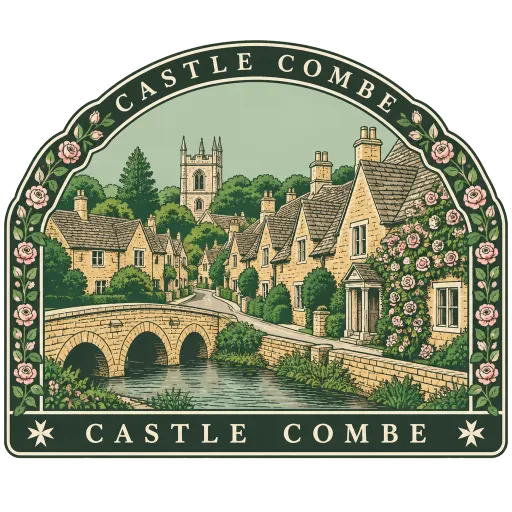
Castle Combe
A small Wiltshire village of honey-coloured stone cottages, about 8 km north-west of Chippenham and 16 km north-east of Bath. Its parish counted just 356 people at the 2021 census, and it is often called the prettiest village in England.
-
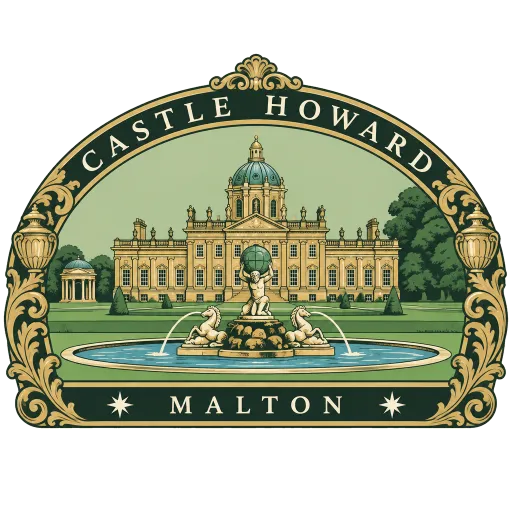
Castle Howard
A grand country house about 24 km north of York, home to the Carlisle branch of the Howard family for more than 300 years. It stood in for Brideshead in the 1981 television series Brideshead Revisited and again in the 2008 film.
-
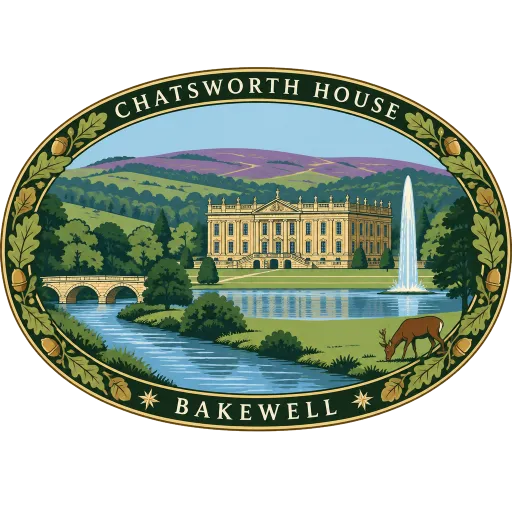
Chatsworth House
The seat of the Duke of Devonshire, held by the Cavendish family since 1549, on the east bank of the River Derwent near Bakewell. The house stands in parkland backed by wooded hills that climb to heather moorland.
-
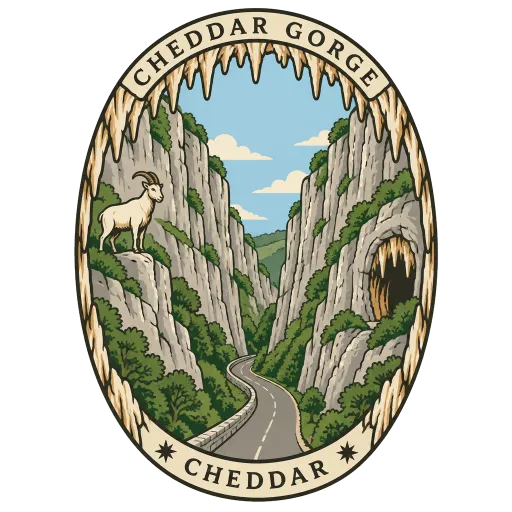
Cheddar Gorge
A limestone gorge cut into the Mendip Hills beside the village of Cheddar. Its show caves, carved by an underground river and hung with stalactites, are where Cheddar Man, Britain's oldest complete human skeleton at about 9,000 years old, was found in 1903.
-
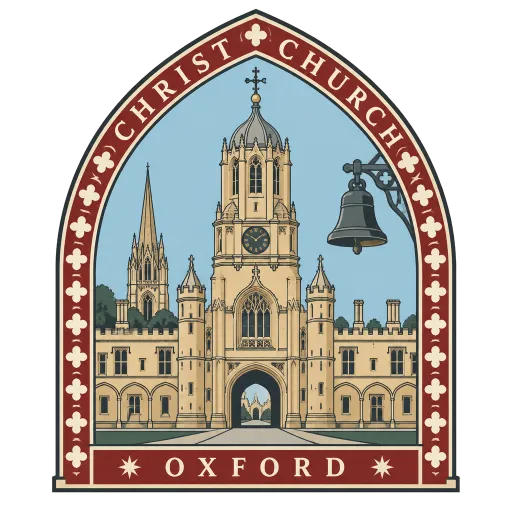
Christ Church
An Oxford college founded by Henry VIII in 1546, and the only one whose chapel is also the cathedral of the diocese, with a dean who heads both. Its dining hall inspired the Great Hall of Hogwarts in the Harry Potter films.
-
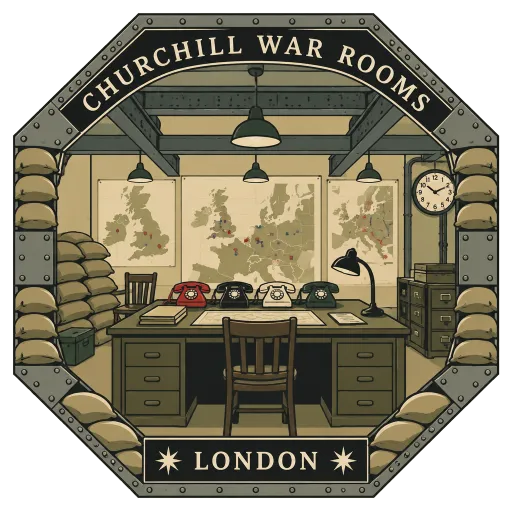
Churchill War Rooms
An underground complex beneath Whitehall that housed a British government command centre through the Second World War, kept much as it was left. Part of the Imperial War Museum, it also holds a museum on the life of Winston Churchill.
-
Clifton Suspension Bridge
A suspension bridge strung high across the Avon Gorge, linking Clifton in Bristol with Leigh Woods. Built to a design based on an earlier one by Isambard Kingdom Brunel, it opened in 1864, and its tolls still pay for its upkeep.
-
Cotswolds
A range of rolling limestone hills across Gloucestershire, Oxfordshire and neighbouring counties, rising to 330 metres at Cleeve Hill. The local golden stone builds its villages, market towns and stately homes, and gives the whole area its warm colour.
-
Covent Garden
A district on the eastern edge of the West End built around a former fruit and vegetable market, whose central square is now given over to shops and street performers. The Royal Opera House stands beside it, and Neal's Yard and Seven Dials lie to the north.
-
Cutty Sark
One of the last and fastest of the tea clippers, built at Dumbarton in Scotland in 1869, now raised in a dry dock in Greenwich. Her name comes from the witch in Robert Burns's poem Tam o' Shanter, and the witch herself is her figurehead.
-
Dartmoor
An upland of open moorland in southern Devon, protected as a national park since 1951 and covering 954 square kilometres. Granite tors break the skyline, and ponies roam free across the moor.
-
Dover Castle
A medieval castle founded in the 11th century on the cliffs above Dover, long called the Key to England for its place on the shortest crossing to France. Some count it the largest castle in England, and tunnels dug into the chalk beneath it served in later wars.
-
Durdle Door
A natural limestone arch on the Jurassic Coast near Lulworth, where the sea has worn a doorway through a headland. It stands on the Lulworth Estate of the Weld family, privately owned but open to the public, with a beach on either side.
-
Eden Project
Giant greenhouse domes set in a reclaimed china clay pit in Cornwall, run by the charity the Eden Trust. Inside its biomes grow plants from around the world, including a rainforest under the largest of the domes.
-
Fitzwilliam Museum
The art and antiquities museum of the University of Cambridge, founded in 1816 under the will of the 7th Viscount FitzWilliam. Its half a million objects run from antiquity to the present, with paintings by Rembrandt, Rubens, Monet, Van Gogh and Picasso and a winged relief from Nimrud.
-
Glastonbury Tor
A lone hill above Glastonbury, crowned by the roofless tower of St Michael's Church. Old stories tie it to King Arthur and the isle of Avalon, and the climb gives wide views over the flat Somerset Levels.
-
HMS Belfast
A Royal Navy light cruiser launched on Saint Patrick's Day 1938 and commissioned just before the Second World War, now moored for good on the Thames near Tower Bridge. Run by the Imperial War Museum, it can be explored from the bridge down to the engine rooms.
-
Hampton Court Palace
A red brick royal palace on the Thames, upstream of central London, built for Cardinal Wolsey and taken over by Henry VIII. Tudor courtyards and kitchens sit beside later Baroque wings, and its gardens hold a hedge maze that has puzzled visitors for over three centuries.
-
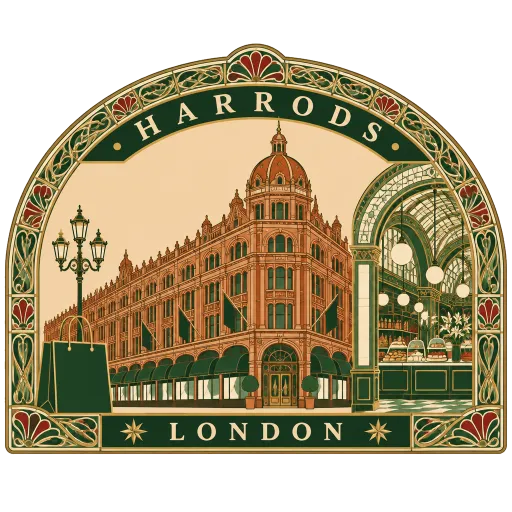
Harrods
A luxury department store on Brompton Road in Knightsbridge, in a terracotta building opened in 1905 on the site of a shop first set up in 1849. It is the largest department store in Europe, and its tiled Food Halls draw as many visitors as shoppers.
-
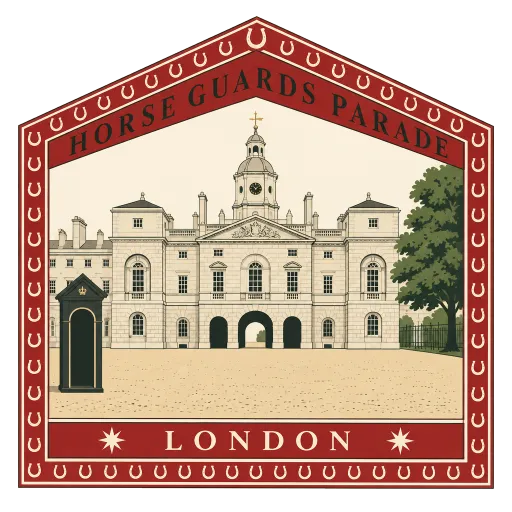
Horse Guards Parade
A broad parade ground off Whitehall, backing onto St James's Park. Each year it hosts Trooping the Colour for the monarch's official birthday and the Beating Retreat, and mounted sentries stand guard at the Horse Guards arch on the Whitehall side.
-
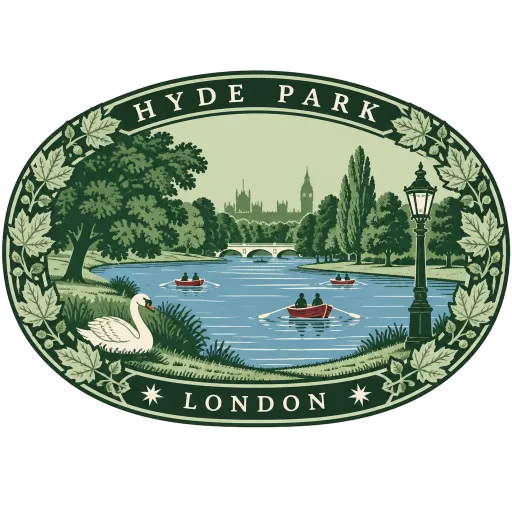
Hyde Park
A Royal Park of 140 hectares in the middle of London, the largest in a chain of green spaces running from Kensington Palace to Buckingham Palace. The Serpentine lake divides it, and Speakers' Corner sits at its north-east edge.
-
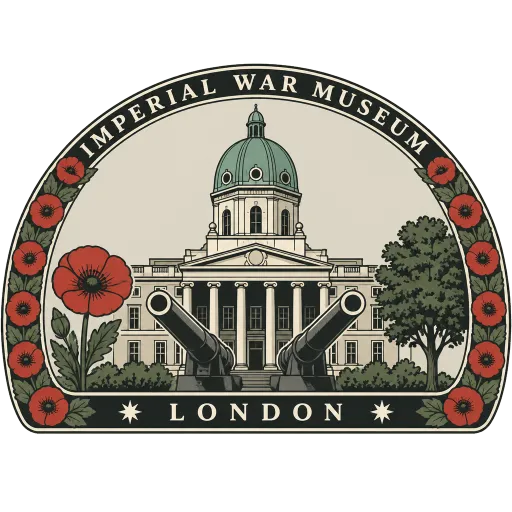
Imperial War Museum London
The London home of a national museum founded in 1917 to record the British and imperial effort of the First World War. Its remit has since grown to cover every conflict involving British or Commonwealth forces since 1914, and a pair of naval guns stands outside its domed building.
-
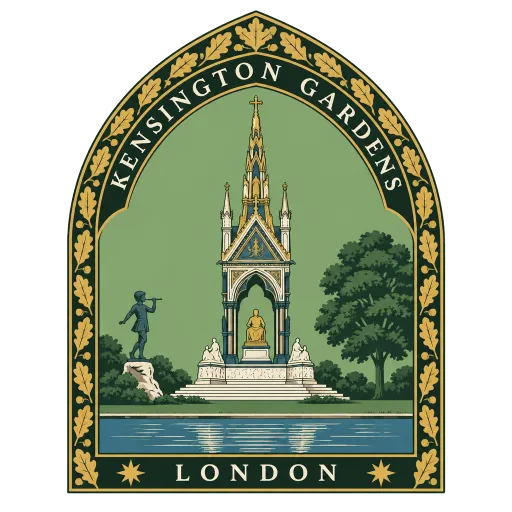
Kensington Gardens
Once the private gardens of Kensington Palace, now 107 hectares of Royal Park immediately west of Hyde Park. The Albert Memorial, the Long Water and the bronze Peter Pan statue are all found within it.
-
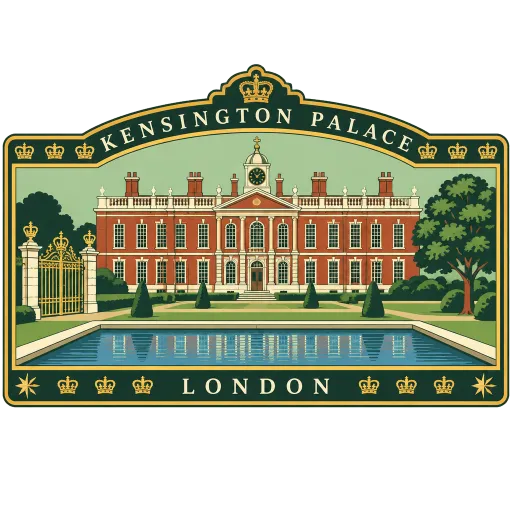
Kensington Palace
A royal residence set within Kensington Gardens, home to members of the royal family since the 17th century. Queen Victoria was born and raised here, and today it is the official London home of the Prince and Princess of Wales.
-
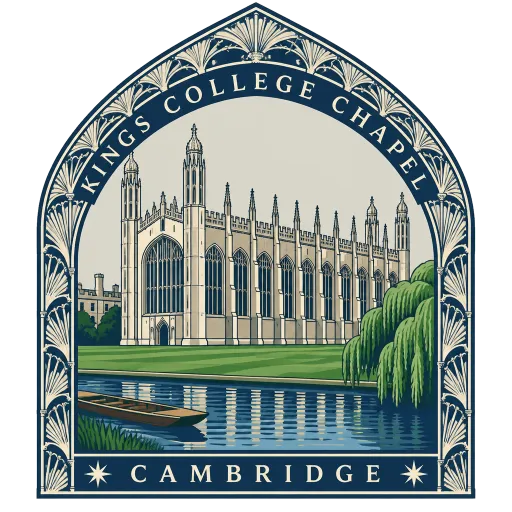
King's College Chapel
The chapel of King's College, Cambridge, built in phases by a succession of English kings between 1448 and 1515. It holds the world's largest fan vault and great stained glass windows finished by 1531, and its famous choir still sings in what remains a working place of worship.
-
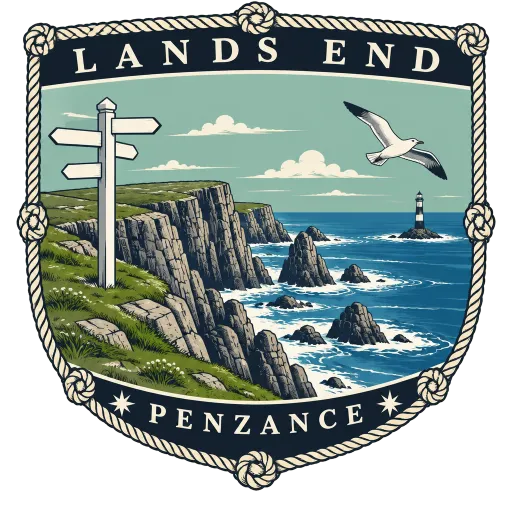
Land's End
The headland at the far western tip of mainland England, on the Penwith peninsula where the A30 road ends. Cliffs look out over the Celtic Sea, with the English Channel to the east, and a well-known signpost points the way to John o' Groats.
-
Leeds Castle
A castle in Kent about 11 km south-east of Maidstone, built on islands in a lake formed by the River Len. Despite the name it is nowhere near the city of Leeds, taking it instead from the nearby village, and its grounds include a hedge maze and gardens.
-
Legoland Windsor
A Lego themed park and resort outside Windsor, opened on 17 March 1996. Its rides, building workshops and Miniland of famous places made from millions of bricks are aimed mostly at younger children.
-
Lindisfarne
A tidal island off the Northumberland coast, reached by a causeway that the sea covers twice a day. Saints Aidan and Cuthbert made it a centre of Celtic Christianity in the 7th century, and the ruins of its medieval priory still stand beside the village.
-
Liverpool Cathedral
The Church of England cathedral of Liverpool, the largest cathedral and religious building in Britain. Its red sandstone bulk rises on St James's Mount, and it ranks as the eighth largest church in the world.
-
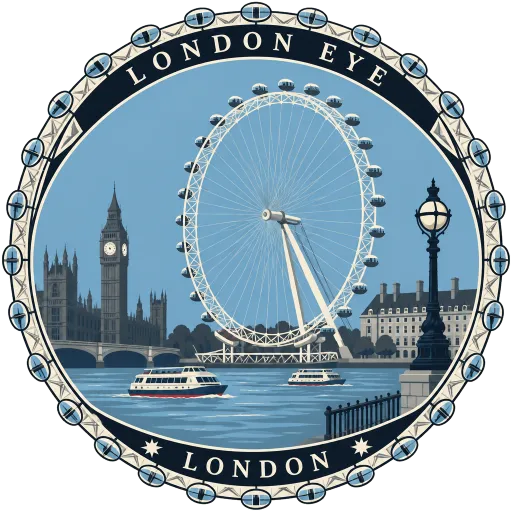
London Eye
A giant observation wheel on the South Bank, opened for the millennium and still the most visited paid attraction in Britain. Its glass capsules turn slowly enough to step into while moving, and from the top the Thames, Westminster and the City lie spread out below.
-
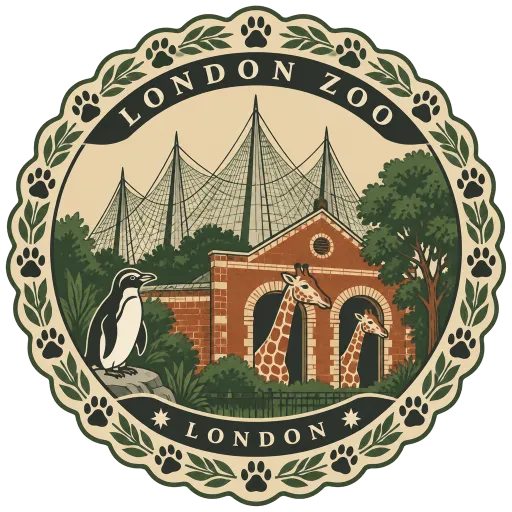
London Zoo
The world's oldest scientific zoo, opened in 1828 on the edge of Regent's Park and first meant as a collection for study. In 1831 it took in the animals from the old menagerie at the Tower of London, and it now keeps more than 8,000 animals of over 300 species.
-
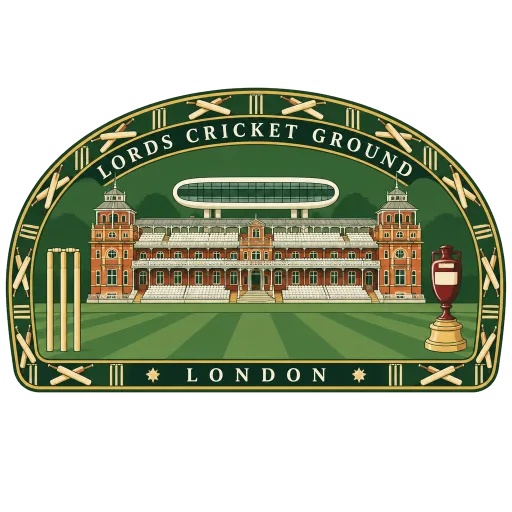
Lord's Cricket Ground
The home of cricket, in St John's Wood, named after its founder Thomas Lord and owned by the Marylebone Cricket Club. It is home to Middlesex and the England and Wales Cricket Board, and keeps the world's oldest sporting museum, where the Ashes urn is displayed.
-
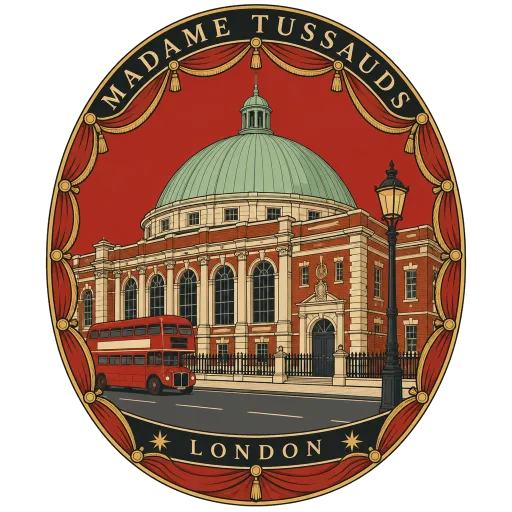
Madame Tussauds
A wax museum founded in London in 1835 by the French sculptor Marie Tussaud, now on Marylebone Road. Its rooms are filled with lifelike figures of royals, film stars, sports heroes and Bollywood actors, made to be stood beside for a photograph.
-
National Gallery
An art museum on the north side of Trafalgar Square, founded in 1824. It holds more than 2,300 paintings from the mid 13th century to 1900, Western European art from Renaissance altarpieces to Van Gogh's Sunflowers.
-
National Maritime Museum
A museum of the sea in Greenwich, part of the Maritime Greenwich World Heritage Site alongside the Royal Observatory, the Queen's House and the Cutty Sark. Its galleries cover centuries of British seafaring, navigation and exploration.
-
National Railway Museum
Britain's national museum of rail transport, part of the Science Museum Group. Its halls hold Mallard, Duchess of Hamilton, a Stirling Single and a Japanese bullet train, and it was named European Museum of the Year in 2001.
-
Natural History Museum
A museum of the natural world in South Kensington, housed in a vast Victorian building faced in terracotta and decorated with carved animals and plants. Its galleries range from dinosaur skeletons to minerals and meteorites, beside the Science Museum and the V&A.
-
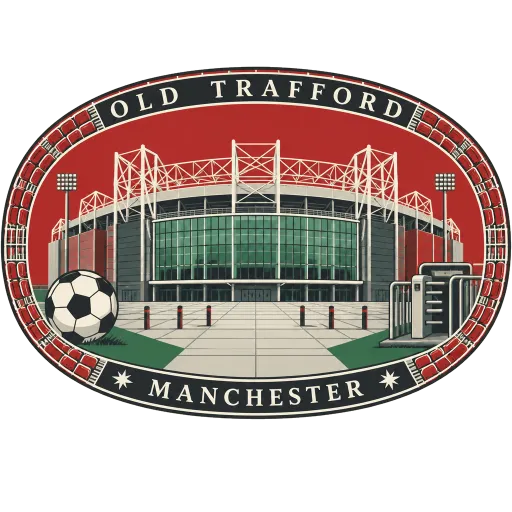
Old Trafford
The home ground of Manchester United, and with room for over 74,000 the largest club football stadium in the United Kingdom. Its nickname, the Theatre of Dreams, came from Sir Bobby Charlton.
-
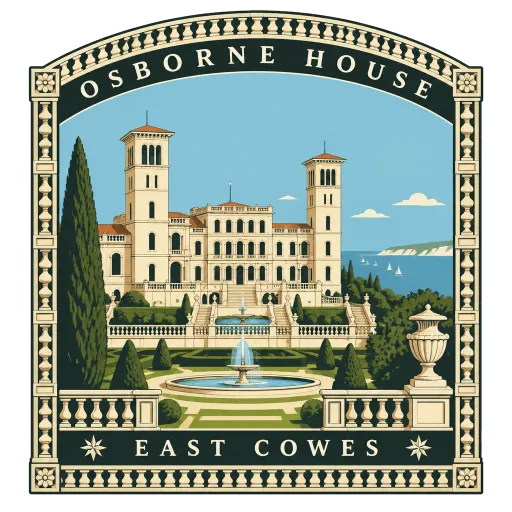
Osborne House
A summer home built between 1845 and 1851 for Queen Victoria and Prince Albert on the Isle of Wight. Albert designed it himself in the style of an Italian Renaissance palazzo, and the family's rooms remain much as they knew them, with a private beach below.
-
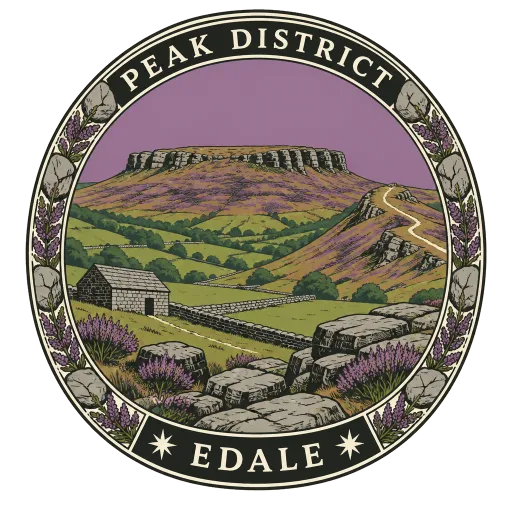
Peak District
An upland at the southern end of the Pennines, mostly in Derbyshire, divided between the gritstone moors of the Dark Peak and the limestone dales of the White Peak. Most of it became Britain's first national park in 1951, and Kinder Scout is its highest point.
-
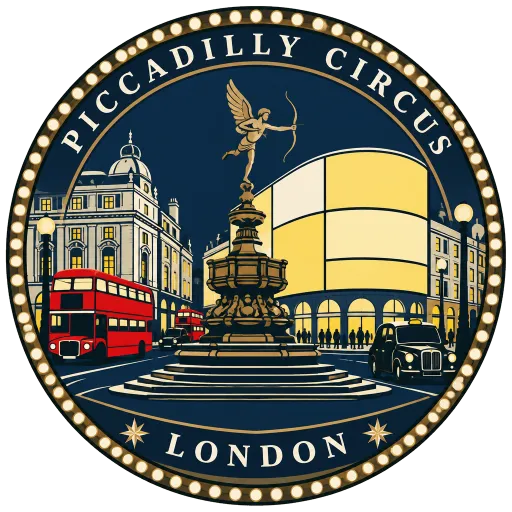
Piccadilly Circus
A road junction in the West End, built in 1819 to link Regent Street with Piccadilly, its name taken from the Latin for a circle. It is known for its curved wall of illuminated advertising screens and the winged statue usually called Eros.
-
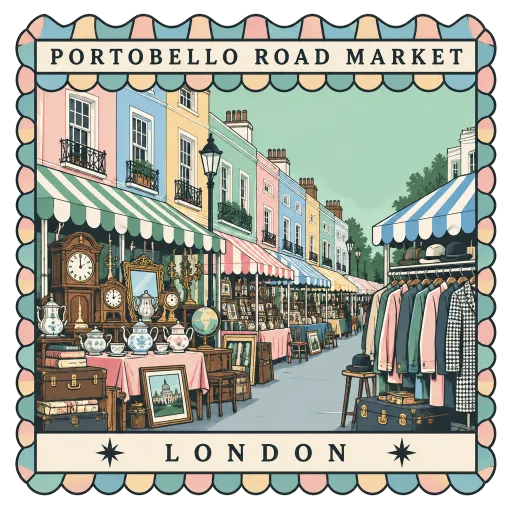
Portobello Road Market
A street that runs almost the length of Notting Hill, lined with painted houses and shops. On Saturdays it becomes one of London's best known street markets, with stalls of antiques, second-hand clothes and pastries.
-
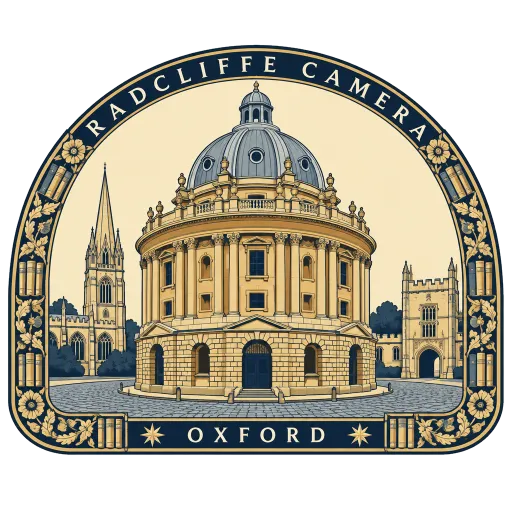
Radcliffe Camera
A round, domed Baroque library designed by James Gibbs and built between 1737 and 1749, standing alone in its own square at the heart of Oxford. It now serves as a reading room of the Bodleian Library, so most people admire it from the cobbles outside.
-
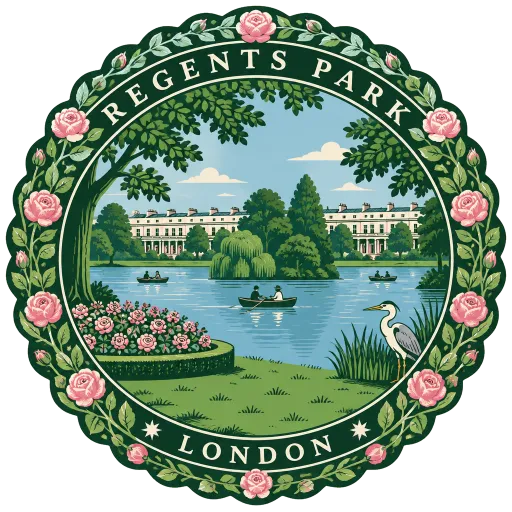
Regent's Park
A Royal Park of 170 hectares in north-west London, with open parkland, an ornamental boating lake and Queen Mary's rose gardens. London Zoo sits on its northern edge, and elegant Regency terraces line its outer ring.
-
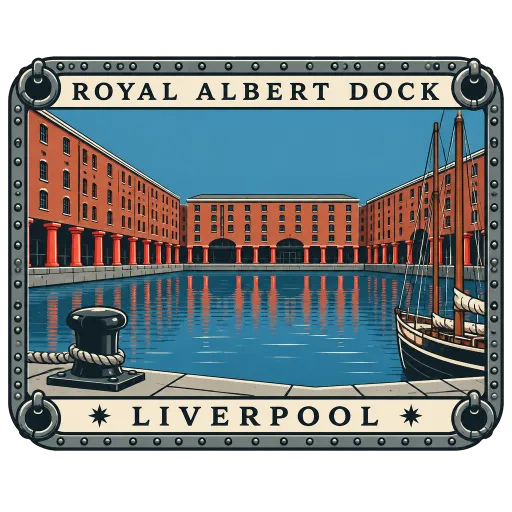
Royal Albert Dock
A complex of dock warehouses opened in 1846 on Liverpool's waterfront, designed by Jesse Hartley and Philip Hardwick. Built of cast iron, brick and stone with no structural timber, it was the world's first non-combustible warehouse system, and it now holds museums, shops and cafés.
-
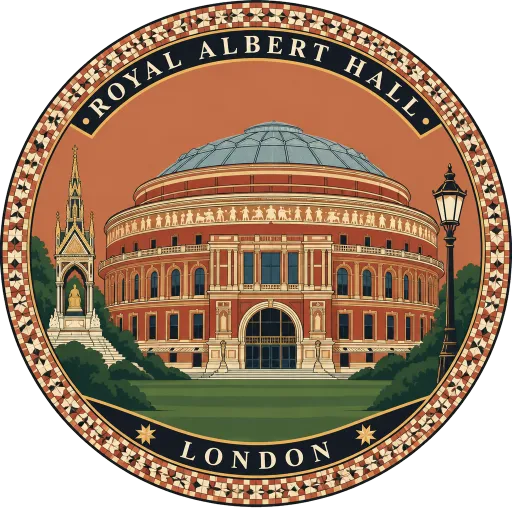
Royal Albert Hall
A great round concert hall in red brick and terracotta on the edge of South Kensington, named after Prince Albert and seating 5,272. It is the home of the summer Proms, and its domed auditorium has hosted everything from orchestras to rock concerts and tennis.
-
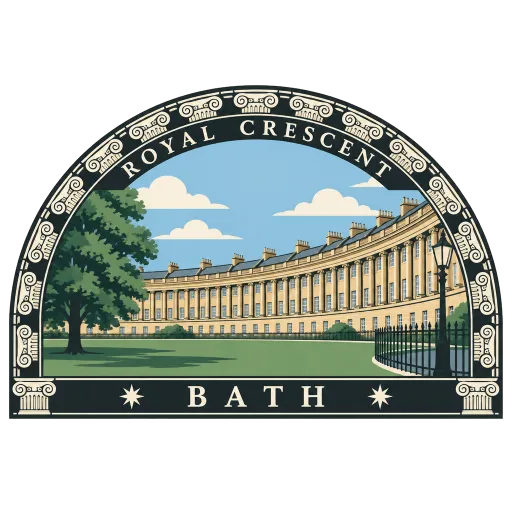
Royal Crescent
A sweeping curve of 30 terraced houses designed by John Wood the Younger and built between 1767 and 1774. It is among the greatest works of Georgian architecture in Britain, and its stone facade looks out over a lawn much as it did when first built.
-
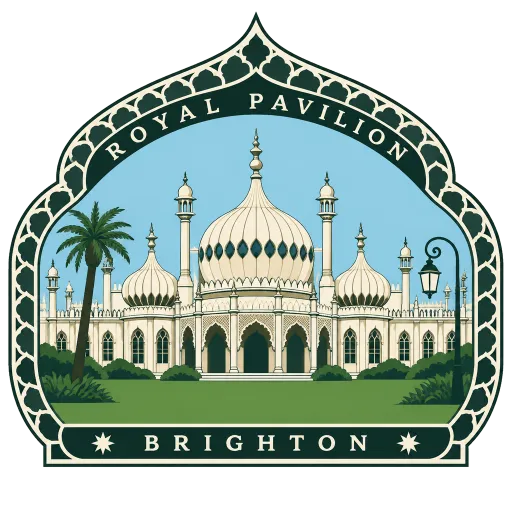
Royal Pavilion
A seaside retreat built from 1787 for the Prince of Wales who became George IV, remodelled by John Nash in the Indo-Saracenic style. Its onion domes, chhatri-topped minarets and cusped arches look to Mughal India, and in the First World War it served as a hospital for Indian soldiers.
-
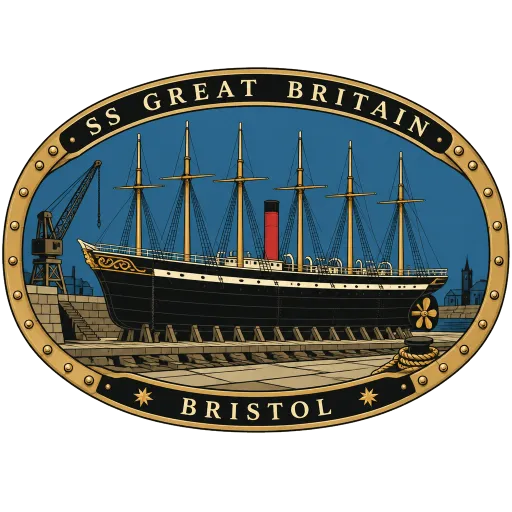
SS Great Britain
Brunel's steamship of 1843, the first large ocean-going ship to combine an iron hull with a screw propeller. The largest passenger ship in the world from 1845 to 1853, she crossed the Atlantic in 14 days and is now a museum ship in Bristol's harbour.
-
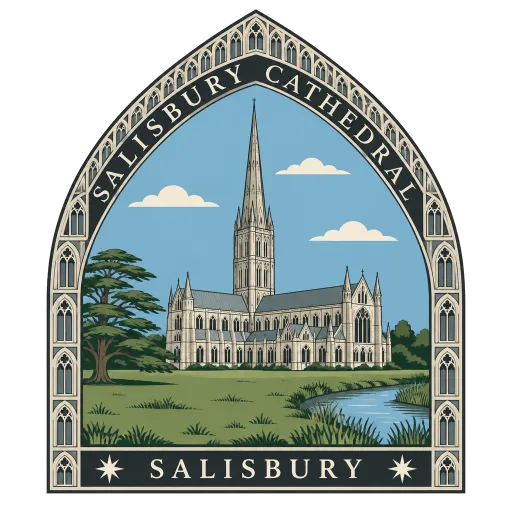
Salisbury Cathedral
An Anglican cathedral raised in just 38 years, between 1220 and 1258, which gives it a rare unity of Early English Gothic style. Its spire, finished by 1330, rises to 123 metres, the tallest in England, and it keeps one of the four surviving original copies of the 1215 Magna Carta.
-
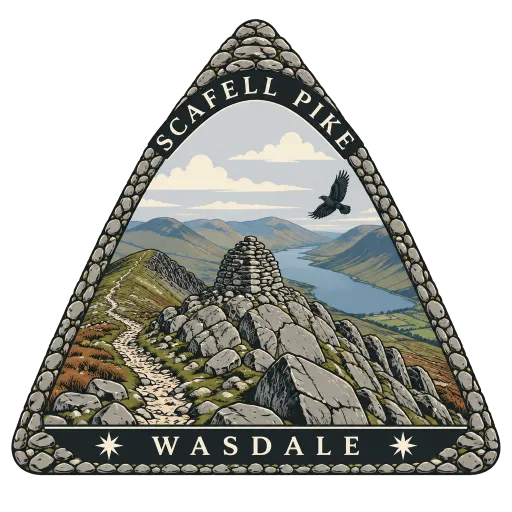
Scafell Pike
England's highest and most prominent mountain, rising to 978 metres in the Lake District. It is part of the Scafell massif, the remains of an extinct volcano, and its rocky summit draws walkers up from Wasdale and Borrowdale.
-
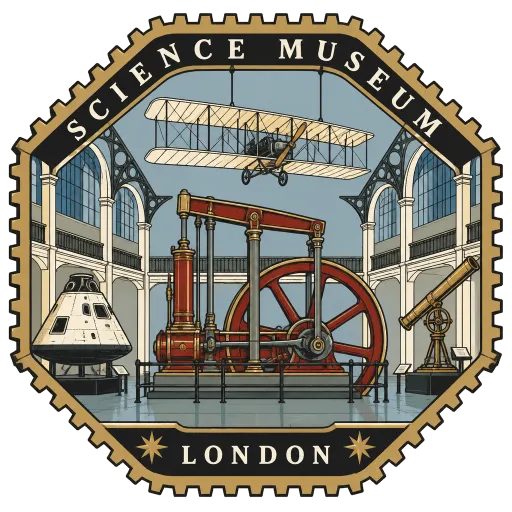
Science Museum
A museum of science and technology on Exhibition Road in South Kensington, founded in 1857. Its halls hold steam engines, early aircraft and spacecraft, and it is one of the most visited museums in the city.
-
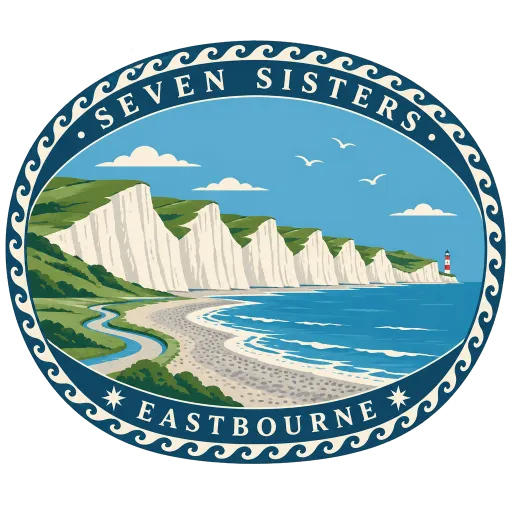
Seven Sisters
A run of chalk sea cliffs on the English Channel where the South Downs meet the sea, between the Cuckmere estuary near Seaford and Beachy Head near Eastbourne. The seven white crests are divided by dips, the remains of old dry valleys being slowly cut back by the waves.
-
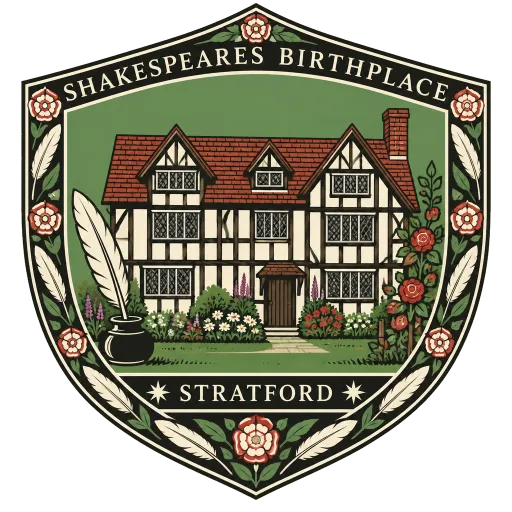
Shakespeare's Birthplace
A restored 16th-century half-timbered house on Henley Street where William Shakespeare is believed to have been born in 1564 and spent his childhood. It is now a small museum run by the Shakespeare Birthplace Trust.
-
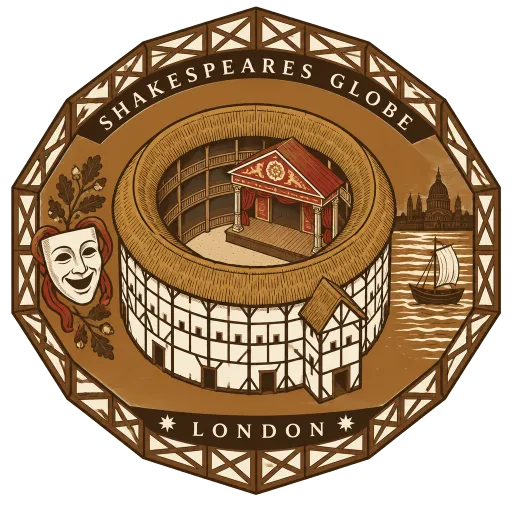
Shakespeare's Globe
A reconstruction of the Elizabethan playhouse of 1599 for which Shakespeare wrote his plays, built near the original site on the South Bank and completed in 1997. Like the first, it is round, timber framed and open to the sky, with a yard where the audience stands.
-
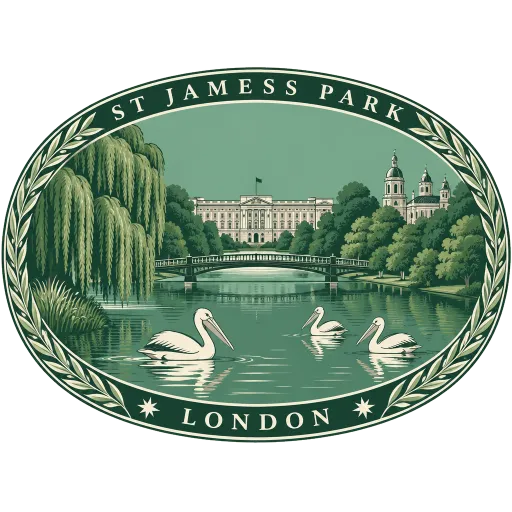
St James's Park
A 23 hectare Royal Park in Westminster, first enclosed as a deer park for Henry VIII in the 1530s. Its lake is home to pelicans, and the bridge across it gives views of Buckingham Palace at one end and Whitehall at the other.
-
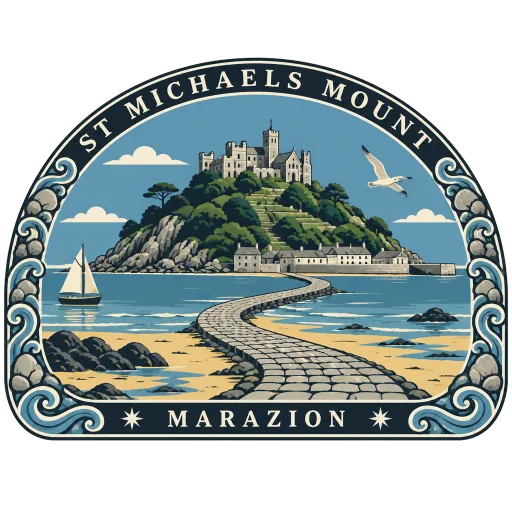
St Michael's Mount
A tidal island in Mount's Bay, reached from Marazion by a granite causeway passable between mid-tide and low water. A castle and chapel crown its summit, home to the St Aubyn family since around 1650, and at high tide boats carry people across.
-
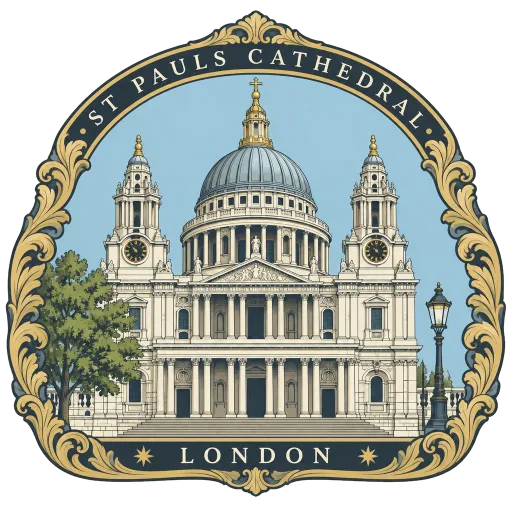
St Paul's Cathedral
Christopher Wren's English Baroque cathedral on Ludgate Hill, the highest point of the City of London, completed in 1710 on a site that has held a church since AD 604. Its great dome dominated the skyline for centuries, and a whisper carries round the gallery inside it.
-
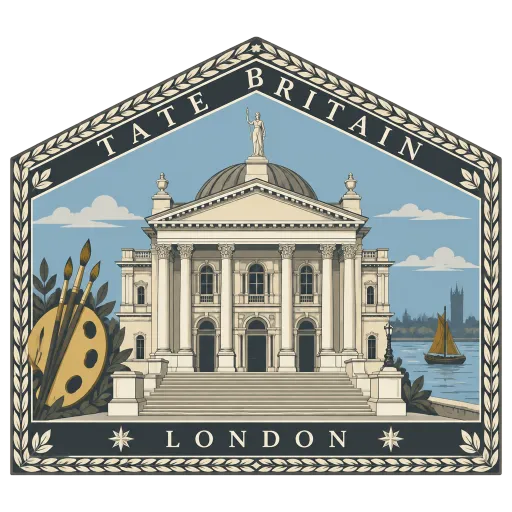
Tate Britain
An art museum on Millbank by the Thames, founded by Sir Henry Tate and long known simply as the Tate Gallery. It holds British art from Tudor times onwards, with especially large holdings of J. M. W. Turner, who left his own collection to the nation.
-
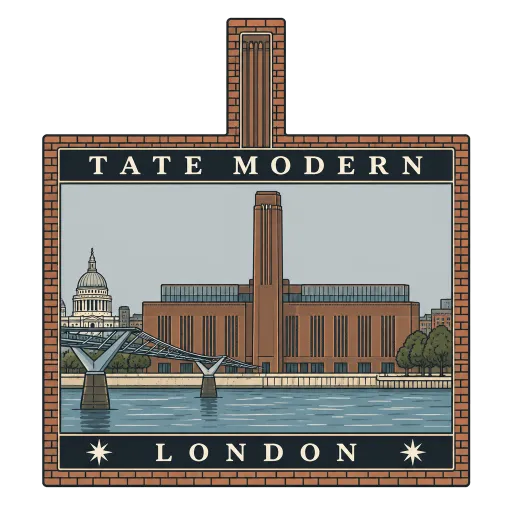
Tate Modern
Britain's national gallery of international modern and contemporary art, set in the former Bankside Power Station on the South Bank. The old Turbine Hall makes a vast entrance and a space for giant installations, and the Millennium Bridge links it across the river to St Paul's.
-
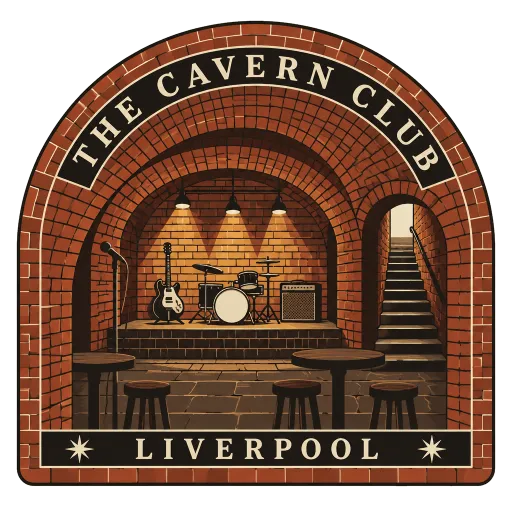
The Cavern Club
The cellar music venue on Mathew Street where the Beatles played hundreds of times early in their career. Today's club is a rebuilt version on much of the original site, and live music still fills its brick arches.
-
The Shambles
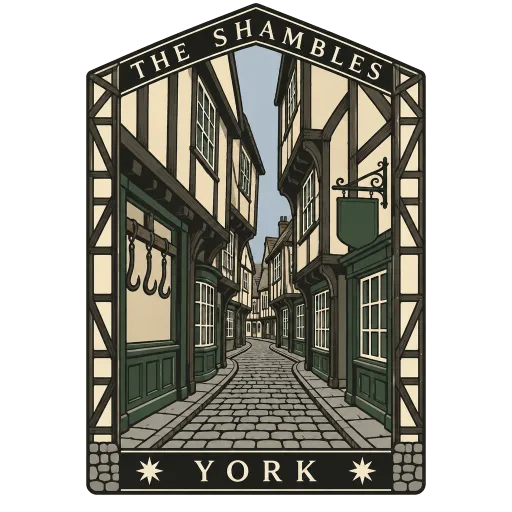
A narrow medieval street in York whose timber-framed buildings, some from the 14th century, lean out over the cobbles on jettied upper floors. Once called the Great Flesh Shambles, it was a butchers' street, with 31 butchers' shops as late as 1885 and none today.
-
The Shard
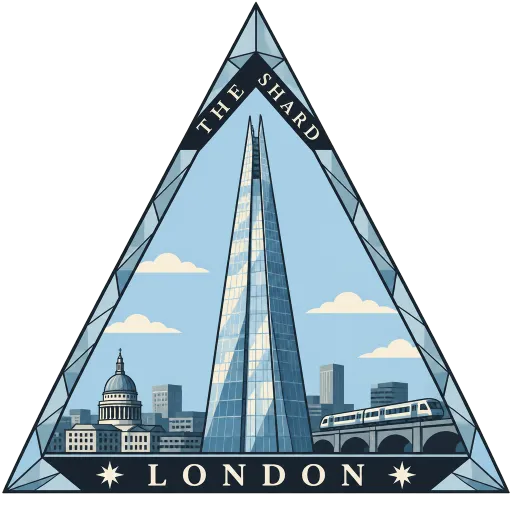
A 95-storey glass pyramid by the Italian architect Renzo Piano, standing 309.6 metres over London Bridge station in Southwark. It is the tallest building in the United Kingdom, and its upper floors look out across the whole city.
-
Tintagel Castle
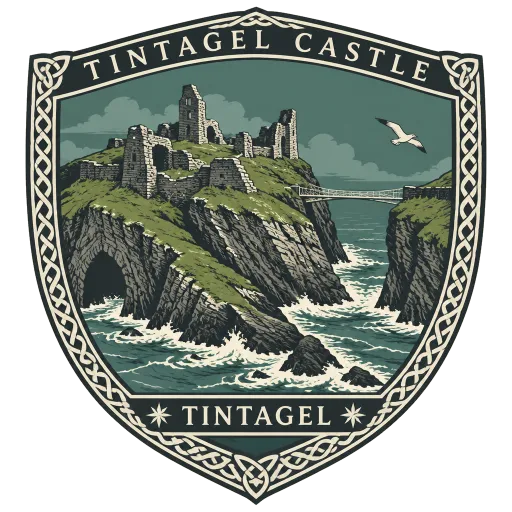
Ruins of a 13th-century castle built by Richard, Earl of Cornwall on a rocky peninsula of the north Cornish coast. Long before, the headland was probably a seasonal seat of the kings of Dumnonia, and legend makes it the place where King Arthur was conceived.
-
Tower Bridge
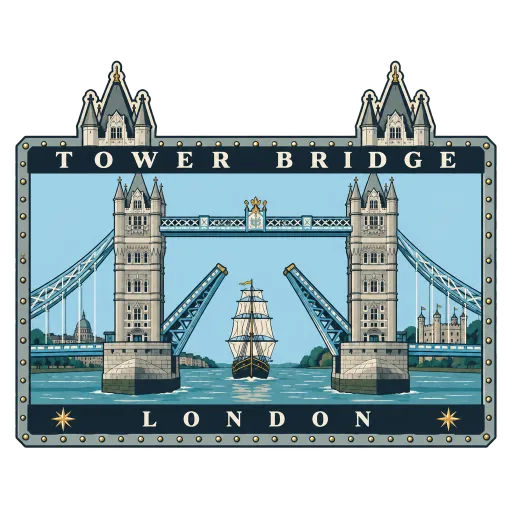
A Victorian bridge over the Thames, built between 1886 and 1894 to a design by Horace Jones, with two Gothic towers and a road deck that still lifts in halves to let tall ships through. It stands beside the Tower of London, from which it takes its name.
-
Trafalgar Square
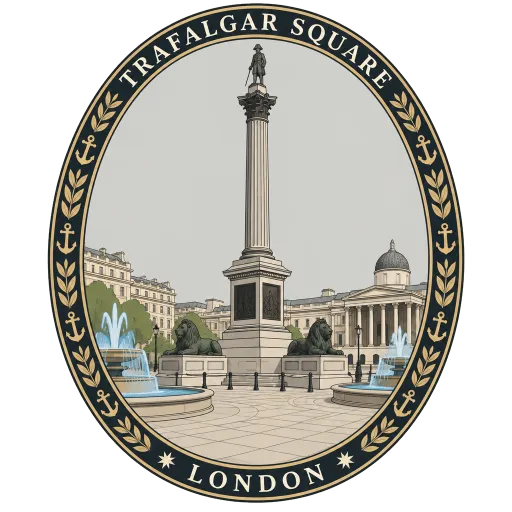
A public square laid out in the early 19th century at Charing Cross and named after the naval victory of 1805. Nelson's Column rises from its centre between bronze lions and fountains, with the National Gallery along its northern side.
-
Ullswater
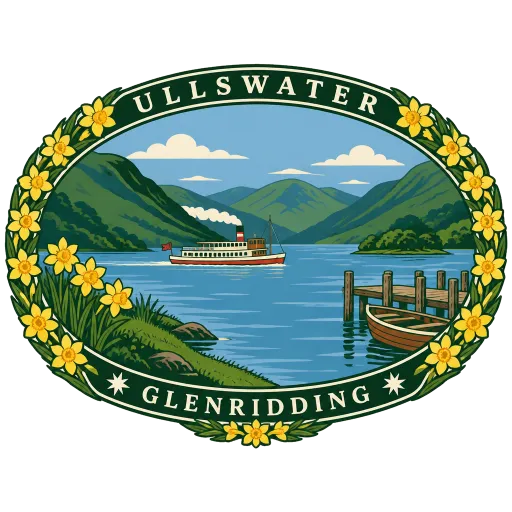
A glacial lake about 11 km long and up to 63 metres deep, second only to Windermere in the Lake District. It once marked part of the border between Cumberland and Westmorland, and the daffodils of Wordsworth's poem grew along its shore.
-
Victoria and Albert Museum
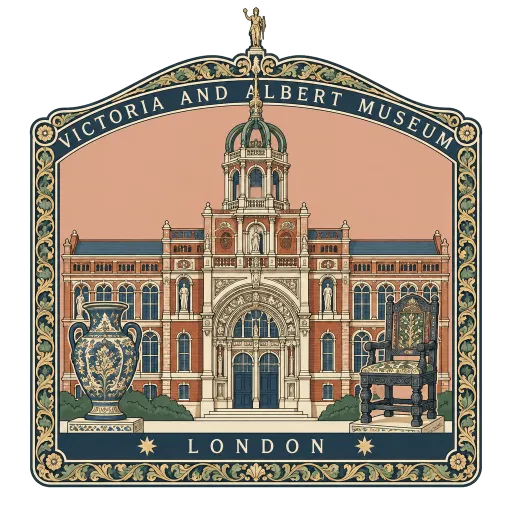
The world's largest museum of applied and decorative arts and design, with over 2.8 million objects in South Kensington. Its galleries run from sculpture, fashion and furniture to a rich collection from South Asia.
-
Warner Bros. Studio Tour London: The Making of Harry Potter
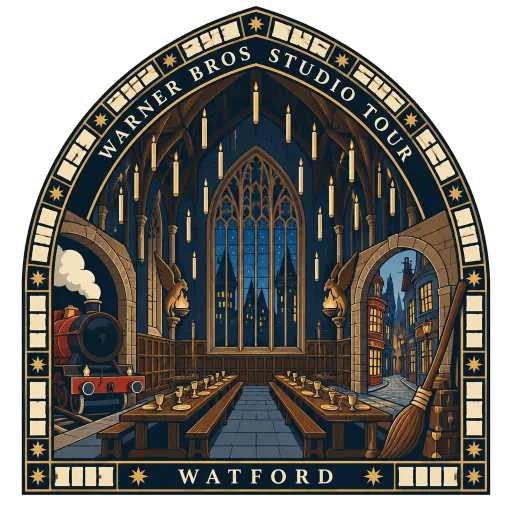
A walk-through exhibition at Leavesden, where the Harry Potter films were made, holding the real costumes, props and sets. Visitors walk through the Great Hall, down Diagon Alley and past the Hogwarts Express, with displays on how the visual effects were done.
-
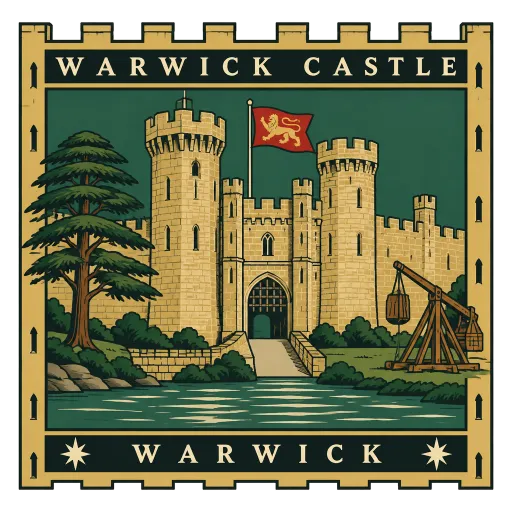
Warwick Castle
A castle that began as William the Conqueror's wooden fort of 1068 above the River Avon and was rebuilt in stone in the 12th century. Its 14th-century front facing the town is among the best known medieval military architecture in England, and it later became a country house.
-
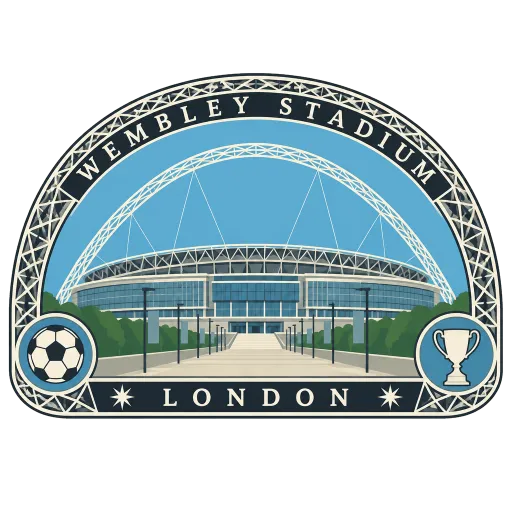
Wembley Stadium
England's national football stadium, opened in 2007 on the site of the original Wembley of 1923. It hosts England home matches and the FA Cup Final, and its great white arch is visible across much of north-west London.
-
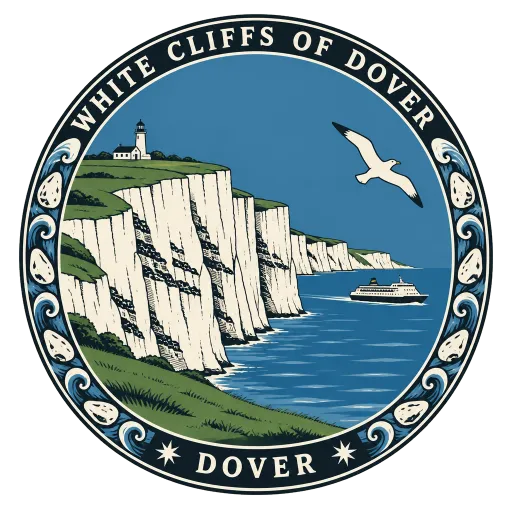
White Cliffs of Dover
Chalk cliffs up to 110 metres high facing France across the Strait of Dover, white chalk streaked with black flint laid down in the Late Cretaceous. They run for 13 km either side of Dover, with a chalk grassland walk along the top and France visible on clear days.
-
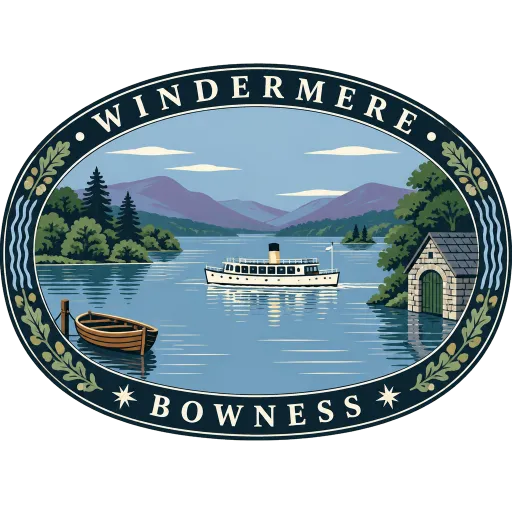
Windermere
A long ribbon lake in the Lake District, the largest in England by length, area and volume. Boats cross it between Bowness, Ambleside and Lakeside, and wooded shores rise to the fells on either side.
-
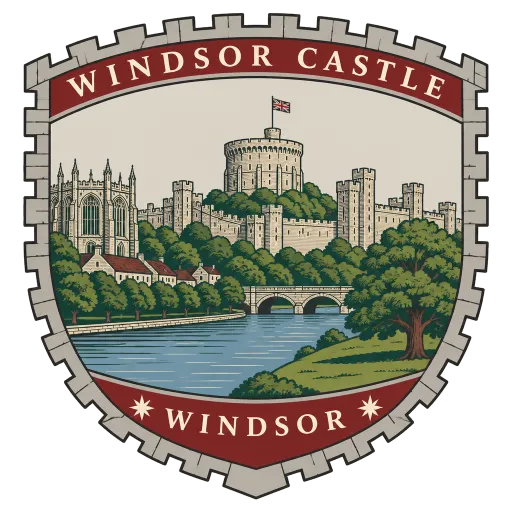
Windsor Castle
A royal residence on a ridge above the Thames at Windsor, about 40 km west of central London, with almost a thousand years of building behind it. Its Round Tower, State Apartments and St George's Chapel make it the oldest and largest occupied castle in the world.
-
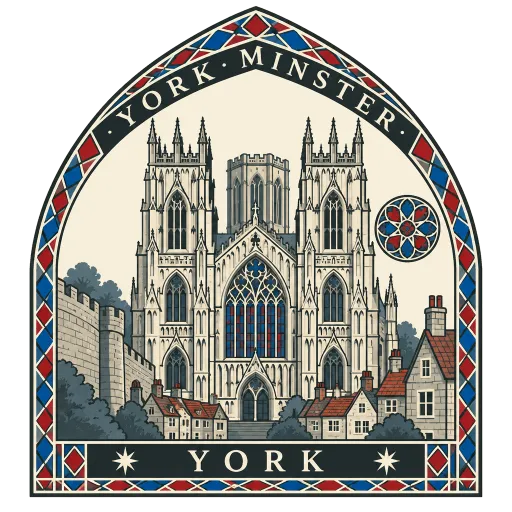
York Minster
The cathedral of York and seat of the Archbishop of York, the second-highest office of the Church of England. One of the largest Gothic cathedrals in northern Europe, it holds a vast collection of medieval stained glass, including the Great East Window.
-
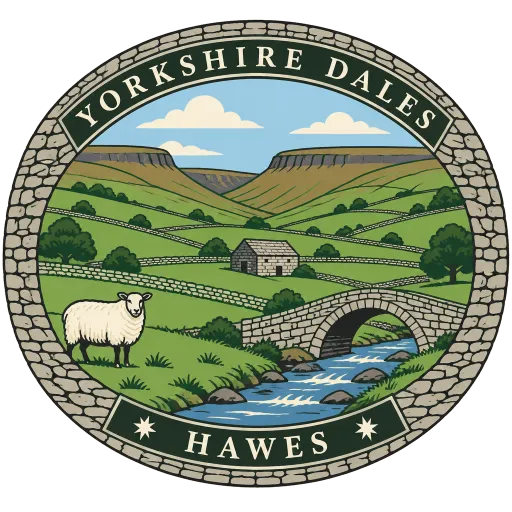
Yorkshire Dales
A series of valleys cut into the Pennines, mostly in North Yorkshire, crossed by dry stone walls and dotted with field barns. Most of the dales lie within a national park created in 1954, and all are within the historic boundaries of Yorkshire.

Hidden gems in England (12)
-
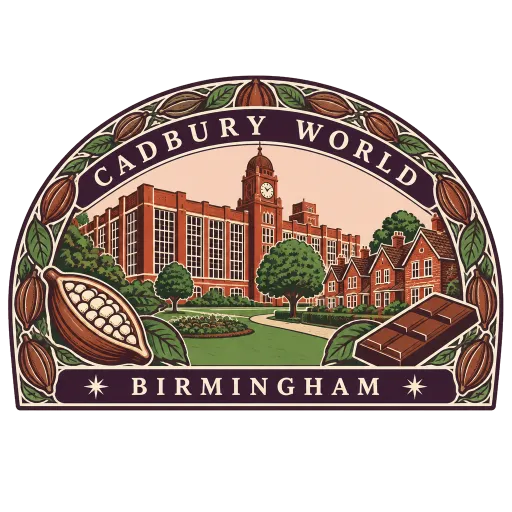
Cadbury World
A chocolate attraction in Bournville, Birmingham, created and run by Cadbury. A self-guided tour tells the history of chocolate and of the Cadbury business, set in the garden village the company built for its workers.
-
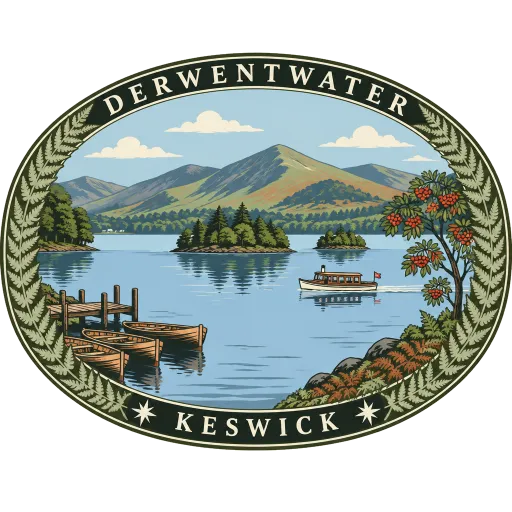
Derwentwater
A lake in the northern Lake District, lying immediately south of the market town of Keswick. Wooded islands dot its surface, launches circle its shore, and Catbells and the fells of Borrowdale rise around it.
-
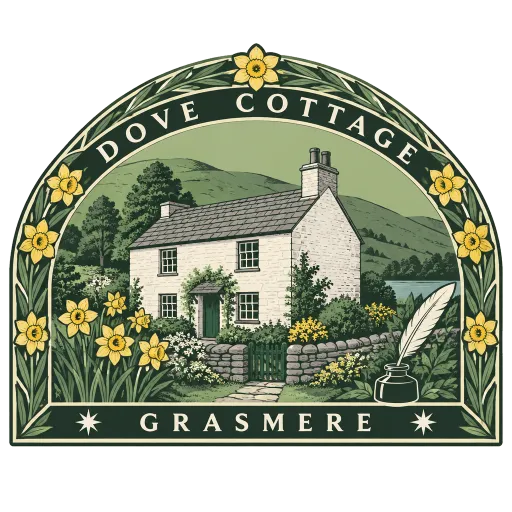
Dove Cottage
A small house on the edge of Grasmere, home to William Wordsworth and his sister Dorothy from 1799 to 1808. Here he wrote much of his best-remembered poetry, including I Wandered Lonely as a Cloud and parts of The Prelude.
-
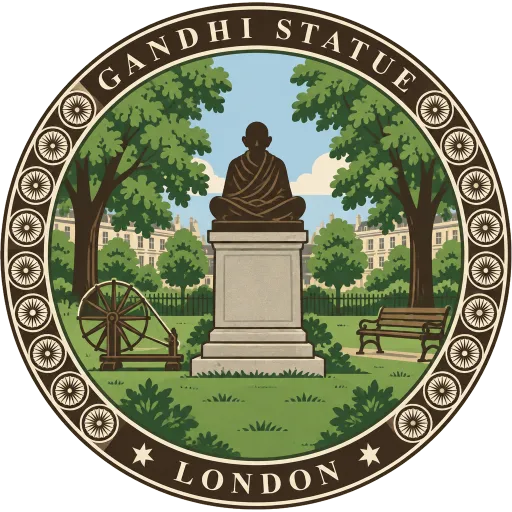
Gandhi Statue, Tavistock Square
A bronze of Mahatma Gandhi seated cross-legged by Fredda Brilliant, unveiled in 1968 at the centre of Tavistock Square ahead of the centenary of his birth. Gandhi studied law at University College London nearby from 1888 to 1891.
-
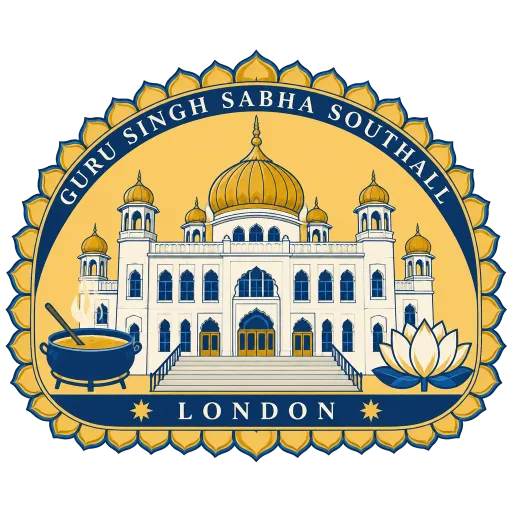
Gurdwara Sri Guru Singh Sabha Southall
The largest Sikh gurdwara in London, on Havelock Road in Southall, opened on 30 March 2003 for the area's growing Sikh community. It was paid for entirely by local donations, and like every gurdwara it serves langar to all who come.
-
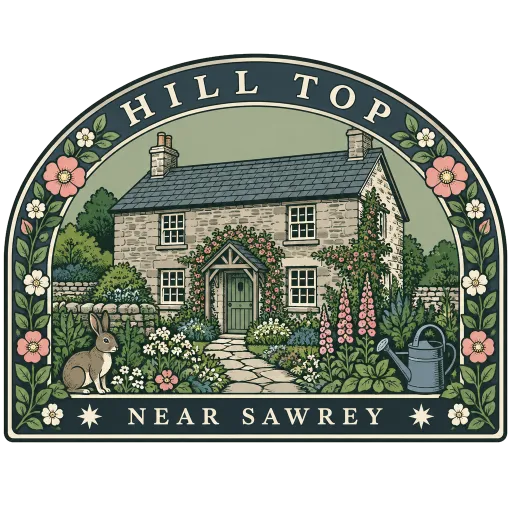
Hill Top
A 17th-century Lakeland house of rough stone walls and slate roof in Near Sawrey, once home to Beatrix Potter. She left it to the National Trust, and it is kept just as she would have known it.
-
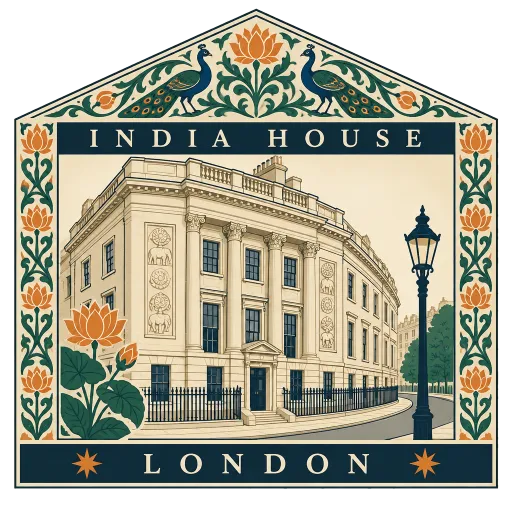
India House
The building on Aldwych that houses the High Commission of India, India's diplomatic mission to the United Kingdom. It stands between Bush House and Australia House, facing King's College and the London School of Economics, and has been Grade II listed since 1981.
-
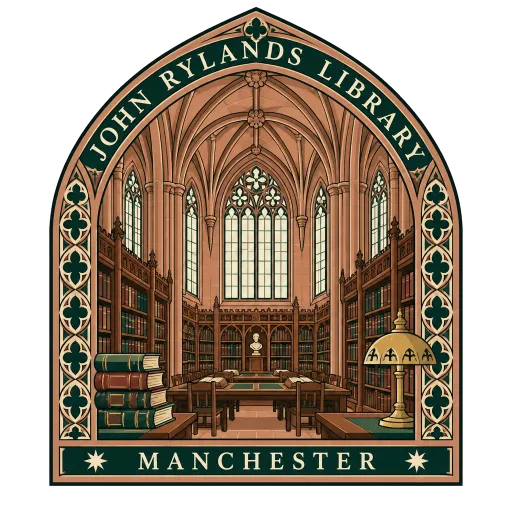
John Rylands Library
A late-Victorian neo-Gothic library on Deansgate, founded by Enriqueta Rylands in memory of her husband and opened to the public in 1900. Part of the University of Manchester since 1972, it keeps most of the university's special collections under its vaulted reading room.
-
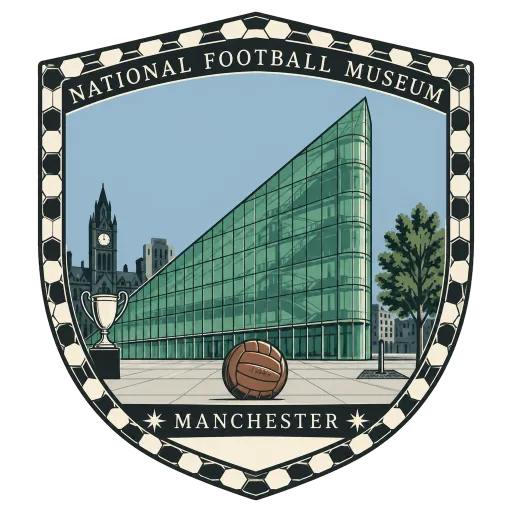
National Football Museum
England's national museum of football, housed in the glass Urbis building in Manchester city centre. It preserves and displays collections of football memorabilia, tracing the history of the game through shirts, trophies and match balls.
-
Science and Industry Museum
A museum that traces the development of science, technology and industry, with weight on Manchester's own achievements. It is part of the Science Museum Group and stands on the site of Liverpool Road, the world's oldest surviving passenger railway station.
-
Shri Venkateswara Balaji Temple
A Hindu temple on a 12 hectare site in Tividale, near Birmingham, dedicated to Venkateswara, a form of Vishnu. Inspired by the great Tirupati temple in Andhra Pradesh, it opened in 2000 and was consecrated in 2006.
-
The Beatles Story
A museum on the Royal Albert Dock devoted to the Beatles, opened in 1990. It recreates the Casbah Coffee Club, the Cavern and Abbey Road Studios, and shows objects such as John Lennon's spectacles and George Harrison's first guitar.

Collecting in England
What are the best places to visit in England?
LOQAH lists 124 places in England. The best known include Avebury, Blenheim Palace, Canterbury Cathedral, Durham Cathedral and Fountains Abbey. Each has a stamp of its own to collect when you are there.
How many LOQAH stamps are there in England?
124, and more are added over time. Each place has LOQAH's carefully crafted stamp of its own.
How do I collect a stamp in England?
Open LOQAH at the place and get its stamp. LOQAH checks where you are once, at that moment; at the place itself the stamp is confirmed on site, with a gold badge.
I have been to places in England before. Can I add them?
Yes. In Earlier trips, choose England and swipe through its stamps, or import your Google Timeline. Each one goes into your volume with the date, if you know it.
More in the United Kingdom
Collect your first stamp.
LOQAH is free on iPhone and Android, in India and 20 more countries, with more countries on the way. Stand at a place, collect its stamp, and keep every trip in a passport that grows.